Summary:
You’ve seen the job postings. “TIPS certification preferred.” “ATAP training required.” Maybe you’re already bartending and your manager just mentioned you should get certified. Or you’re trying to break into the field and keep hitting the same wall—employers want someone who’s already trained.
Here’s what you need to know: TIPS certification isn’t just bureaucratic paperwork. It’s the difference between being the candidate who gets hired and the one who doesn’t. It’s legal protection if something goes wrong. And in Nassau County’s competitive bartending market, it’s becoming the baseline expectation, not the exception.
Let’s break down what this certification actually involves and why it matters for your career.
TIPS Certified Bartender Requirements Explained
Becoming a TIPS certified bartender means you’ve completed Training for Intervention ProcedureS—a nationally recognized program that teaches responsible alcohol service. In New York, TIPS certification also fulfills ATAP (Alcohol Training Awareness Program) requirements, which is what the New York State Liquor Authority approves.
The training covers practical skills you’ll actually use: recognizing signs of intoxication, checking IDs properly, understanding New York’s specific alcohol laws, and intervening when you need to refuse service. It’s not theoretical. It’s the stuff that keeps you out of legal trouble and helps you handle the situations that happen every weekend.
You complete the course online at your own pace. Most people finish in 2-3 hours. You take a multiple-choice exam at the end, and once you pass, you get immediate digital proof of certification. Your physical wallet card arrives in 7-10 business days. The certification is valid for three years.
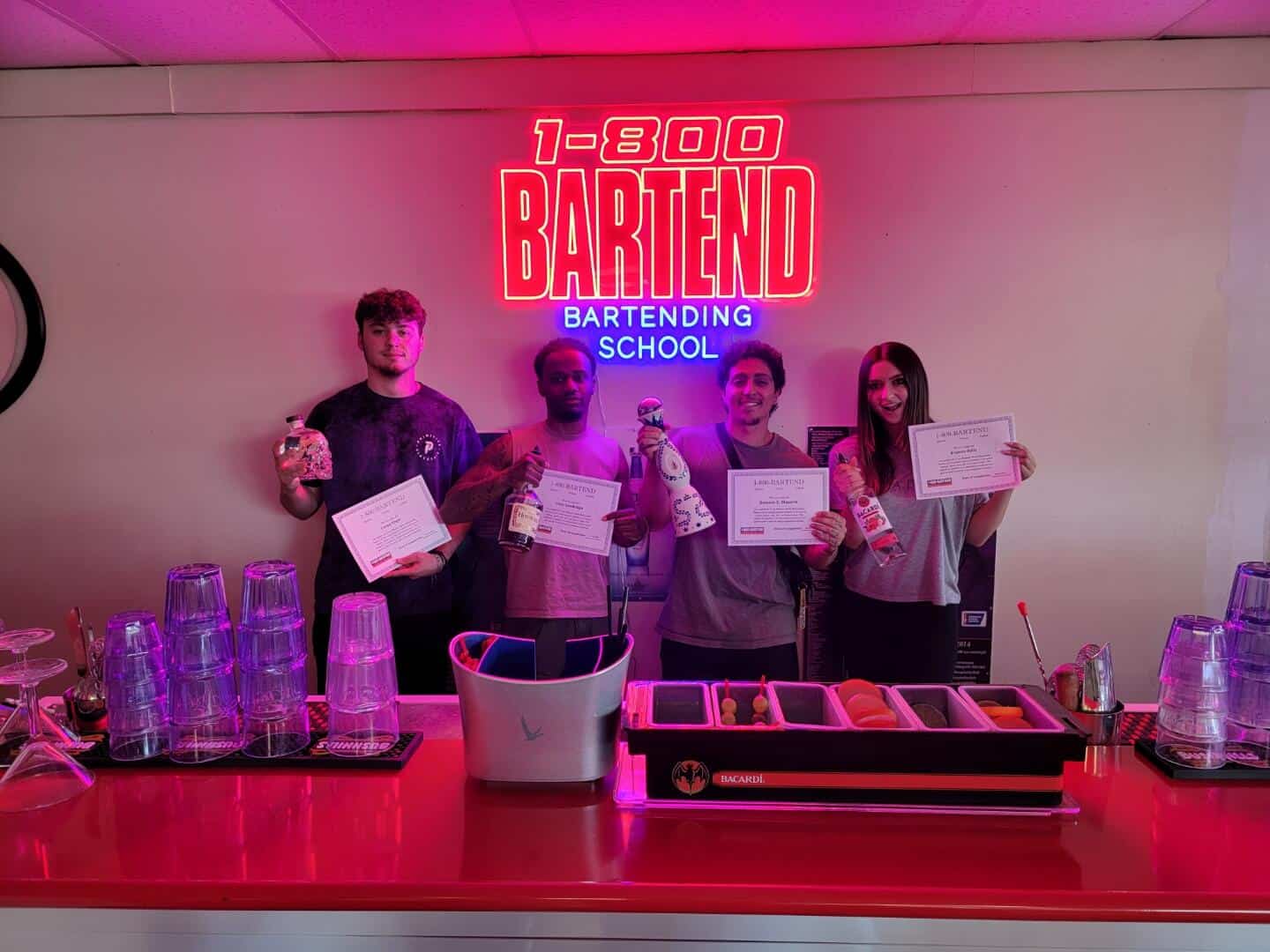
Bartending Tips Certification: What You Actually Learn
The TIPS training isn’t about memorizing drink recipes. It’s about understanding alcohol—how it affects people, how quickly someone can go from buzzed to dangerously intoxicated, and what your legal responsibilities are when you’re the one serving.
You learn how to spot fake IDs. Not just the obvious ones, but the good fakes that actually fool most people. You learn the legal consequences of serving minors or visibly intoxicated customers—not just for your employer, but for you personally. In New York, bartenders can be held individually liable if a customer you over-served causes harm.
The course teaches intervention techniques that don’t escalate situations. How do you refuse service to someone who’s had too much without starting a confrontation? How do you handle it when someone’s clearly trying to buy drinks for an underage friend? These are real scenarios you’ll face, and the training gives you language and strategies that actually work.
You also learn about blood alcohol concentration, how mixing alcohol with other substances affects people, and how to document incidents properly. If something does go wrong and there’s a legal issue, having proof that you followed proper procedures can be the difference between facing penalties and having a solid defense.
For bartenders in Nassau County, this training is particularly valuable because it’s integrated with New York-specific laws and regulations. The TIPS course includes a supplemental chapter covering New York’s Alcoholic Beverage Control Law, which means you’re learning exactly what applies in the state where you’re working.
The training also covers second-party sales—situations where someone who appears sober is buying drinks for someone who’s intoxicated or underage. These scenarios are trickier than they seem, and knowing how to handle them protects both you and your employer from liability.
TIPS Bartending Certification and Employment in Nassau County
Nassau County has 353 bartender jobs available right now. That’s a lot of opportunity. But here’s the reality: most of those positions prefer or require TIPS certification. Employers aren’t asking for this credential to be difficult. They’re asking because their insurance companies require it, because the New York State Liquor Authority incentivizes it, and because it reduces their legal risk.
When an establishment employs TIPS-certified staff, they qualify for potential penalty reductions if an alcohol-related violation occurs. The NYSLA may reduce penalties by up to 25% for businesses that can prove their employees completed approved training within 90 days of an incident. That’s a significant protection for employers, which is why they strongly prefer hiring people who are already certified.
Insurance companies also recognize the value. Many offer discounts—sometimes up to 10%—on liquor liability insurance for establishments with certified staff. When you walk into an interview already TIPS certified, you’re not just another applicant. You’re someone who immediately lowers the employer’s insurance costs and legal exposure.
The certification also signals that you take the work seriously. Bartending isn’t just pouring drinks and collecting tips. It’s a role with real legal responsibilities, and employers want people who understand that. When you’ve completed TIPS training, you’re demonstrating that you get it—you know the law, you know how to handle difficult situations, and you’re not going to create liability problems.
In Nassau County’s competitive market, where bartenders earn $10.65-$15.50 per hour plus tips (with experienced NYC bartenders making a median of $82,169 annually), having this certification can be what gets you the better positions. The high-volume restaurants, upscale cocktail lounges, and establishments with the best earning potential are the ones most likely to require certification.
Beyond just getting hired, TIPS certification can lead to career advancement. Managers and supervisors almost always need to be certified, and having this credential early in your career positions you for those opportunities. It shows you’re thinking long-term, not just looking for quick cash.
TIPS Training for Bartenders: Complete Program Guide
The TIPS training program has been around for over 40 years and has certified more than 5.5 million people. It’s recognized by courts, liquor boards, businesses, and insurance companies as the standard for responsible alcohol service training. That recognition matters because it means the credential actually holds weight.
The program is structured around practical application, not just information. You’re learning skills you’ll use immediately—how to assess whether someone’s showing signs of intoxication, how to pace service to prevent customers from drinking too quickly, how to offer food or water in a way that feels like hospitality rather than policing.
The online format means you can complete the training on your schedule. You don’t have to take time off work or arrange childcare. You can do it at home, pause when you need to, and come back to it. Most people complete it in one sitting, but you have flexibility if you need it.

How TIPS Certification Integrates with Professional Bartending Training
Here’s where it gets interesting. You can get TIPS certification as a standalone online course. But if you’re serious about bartending as a career—not just picking up shifts here and there—integrating TIPS training with comprehensive bartending education gives you a significant advantage.
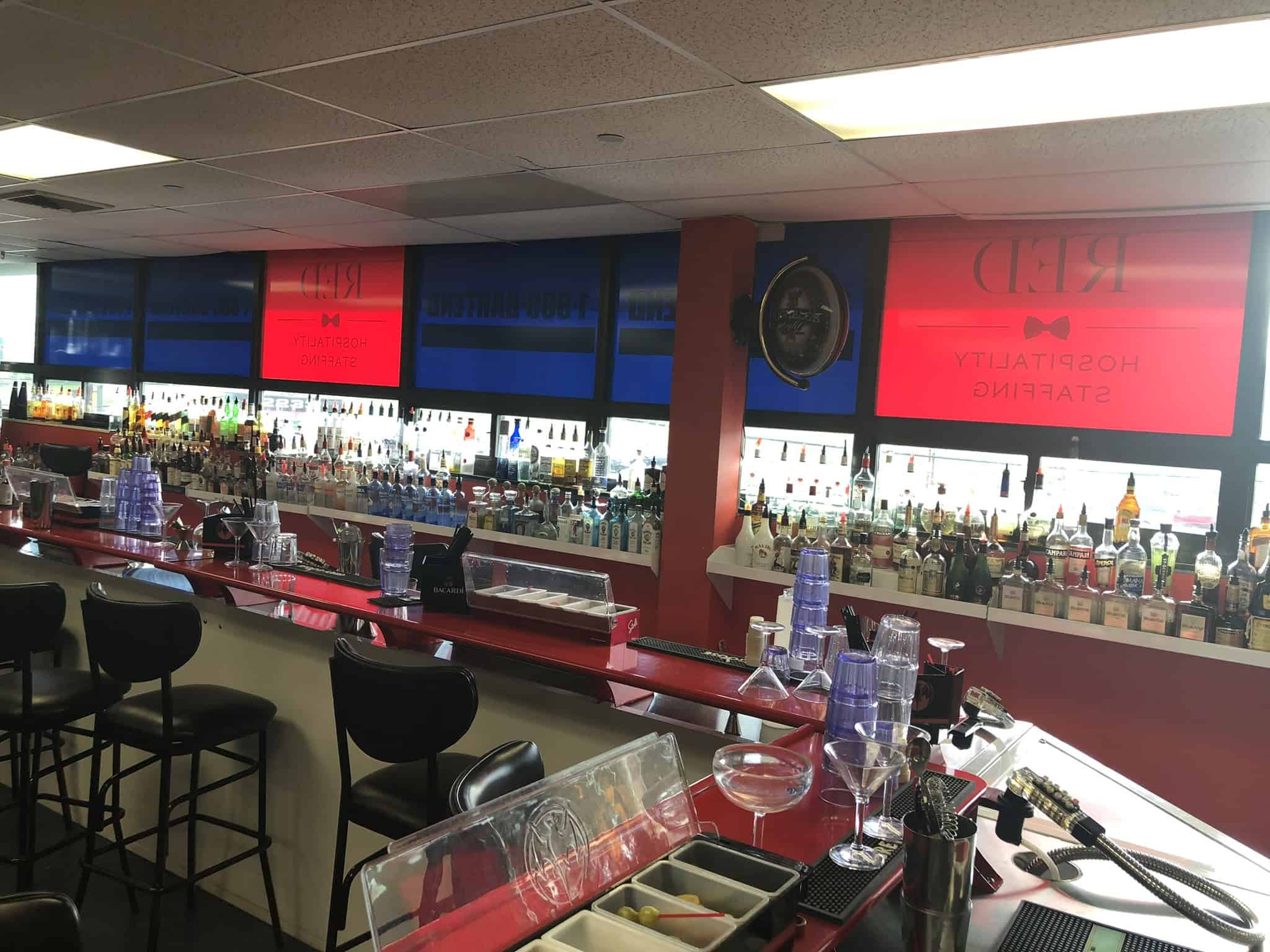
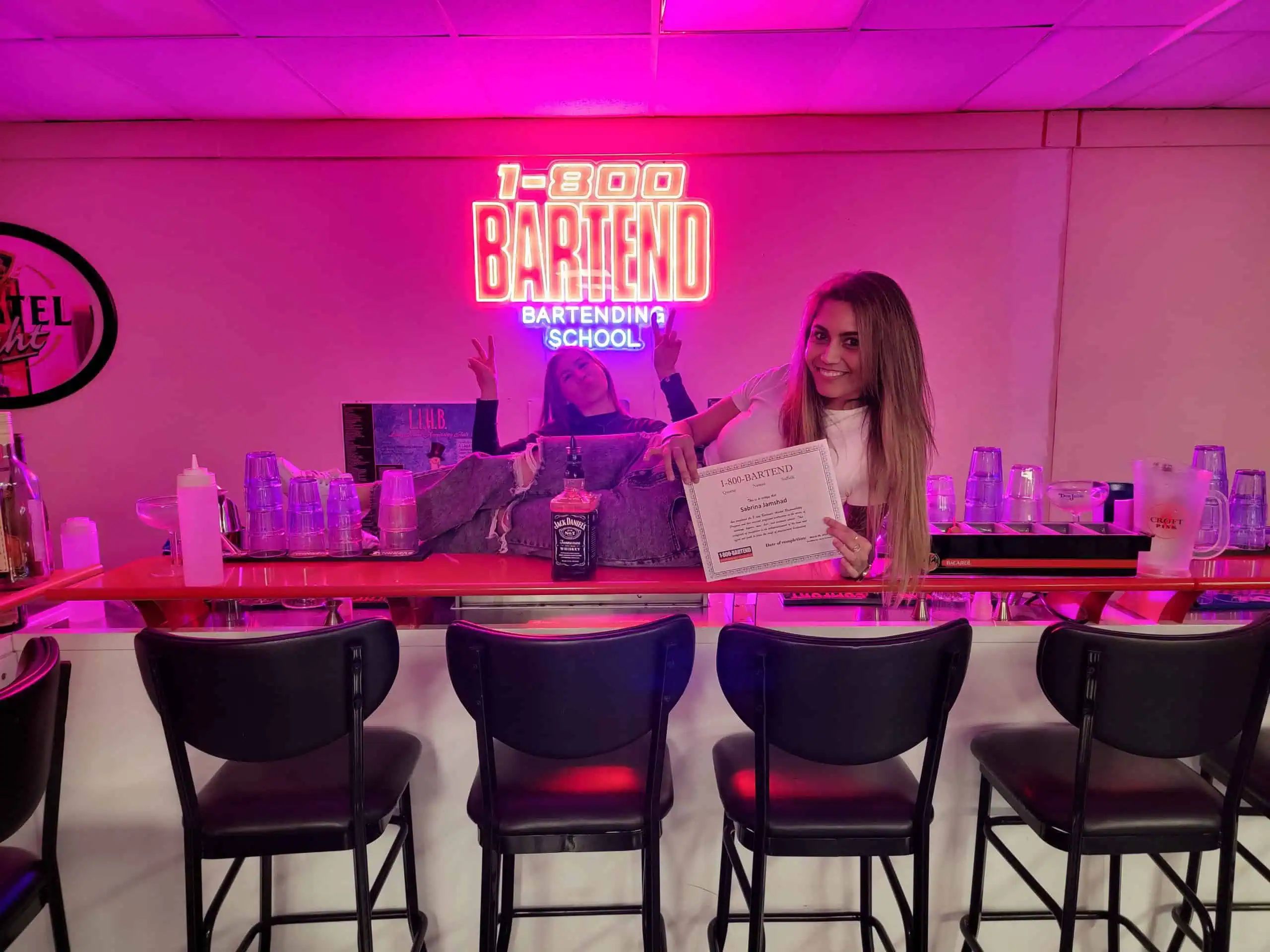
We combine TIPS certification with hands-on training on real bar equipment, mixology instruction, cash handling, and customer service skills. You’re not just learning responsible alcohol service in theory. You’re practicing it in a realistic bar environment while also learning how to make drinks efficiently, work a busy service bar, and handle the technical aspects of bartending.
This integrated approach means you walk out with both the certification employers require and the practical skills they’re actually looking for. You’re not someone who took an online course and has never touched a soda gun or made a cocktail under pressure. You’re someone who’s been trained in a professional setting and knows how to apply responsible service principles in real-world conditions.
The difference shows up in interviews. When you can talk about how you’d handle a situation—not just what the law says, but how you’d actually execute it while managing a full bar on a Saturday night—employers notice. That’s the level of preparation that gets you hired for the better positions, not just any bartending job.
We also provide ongoing support that standalone online certification doesn’t. Lifetime refresher courses, job placement assistance, and alumni networks give you resources that continue long after you complete your initial training. When you need to renew your TIPS certification in three years, you have support. When you’re looking for your next position, you have connections.
For bartenders in Nassau County specifically, training with a Long Island-based school means you’re learning from instructors who understand the local market. We know which establishments are hiring, what those employers are looking for, and how to position yourself for success in this specific area.
Why Insurance Companies and Employers Require TIPS Training
Let’s talk about why this certification exists in the first place. It’s not arbitrary. It’s rooted in real legal and financial consequences that affect both employers and individual bartenders.
Liquor liability insurance is expensive. When something goes wrong—a drunk driving accident, an assault, any incident where alcohol played a role—the lawsuits can be devastating. Insurance companies have learned that establishments with trained, certified staff have fewer incidents and lower liability exposure. That’s why they offer premium discounts for certified staff and, in many cases, require certification as a condition of coverage.
For employers, it’s not just about insurance costs. It’s about legal protection. New York’s dram shop laws mean establishments can be held liable if they serve someone who’s visibly intoxicated and that person later causes harm. Having proof that your staff completed approved training provides a “reasonable efforts defense” that can significantly reduce or eliminate penalties.
The New York State Liquor Authority operates a Responsible Vendor Program that encourages businesses to require ATAP certification. While it’s technically voluntary, the incentive structure makes it practically mandatory for any establishment that wants to minimize legal risk. If a violation occurs and the employee holds valid ATAP certification, the NYSLA may reduce the penalty. Without that certification, the business faces full penalties.
For you as a bartender, this creates a straightforward equation: employers need certified staff to protect themselves, which means they’ll hire certified candidates first. Even if an employer doesn’t explicitly require certification in a job posting, having it makes you a more attractive hire because you represent less risk and potentially lower insurance costs.
The certification also protects you personally. In New York, individual bartenders and servers can be held liable for the actions of customers they served. If you over-serve someone who then causes an accident, you could face legal consequences personally, not just your employer. TIPS training teaches you how to recognize and prevent those situations, and having the certification demonstrates that you took reasonable precautions if something does go wrong.
Beyond legal protection, the training genuinely makes you better at your job. Understanding how alcohol affects people, knowing how to spot the early signs of intoxication, and having strategies for intervention that don’t escalate situations—these skills make you more effective and more professional. You’re not just protecting yourself legally. You’re providing better service and creating a safer environment for everyone.
Getting TIPS Certified: Your Next Steps in Nassau County
If you’re bartending in Nassau County or looking to break into the field, TIPS certification isn’t optional anymore. It’s what employers expect, what insurance companies require, and what protects you legally if something goes wrong.
You can complete the certification online in a few hours, or you can integrate it with comprehensive bartending training that prepares you for the full scope of the job. Either way, getting certified opens doors that stay closed to uncertified candidates. It’s the difference between competing for any available position and qualifying for the best opportunities.
The investment is minimal—a few hours of your time and a course fee that pays for itself the moment you land a job that requires certification. The protection it provides and the career opportunities it creates make it one of the smartest moves you can make as a bartender. If you’re ready to formalize your credentials and position yourself for success in Nassau County’s bartending market, we offer the training and certification you need to get started.