Summary:
You’re curious about cocktails. Maybe you want to impress guests at your next gathering, build confidence behind your home bar, or explore whether bartending could become more than a passing interest. The question is: where do you start, and is a cocktail making class enough?
Here’s what matters: cocktail making classes and professional bartending training serve completely different purposes. One teaches you to mix drinks for fun. The other prepares you to work under pressure, serve customers efficiently, and earn a living in Nassau County’s competitive hospitality market. Understanding the difference saves you time, money, and frustration. Let’s break down what each option actually delivers and when each path makes sense for your goals.
What Is a Cocktail Making Class
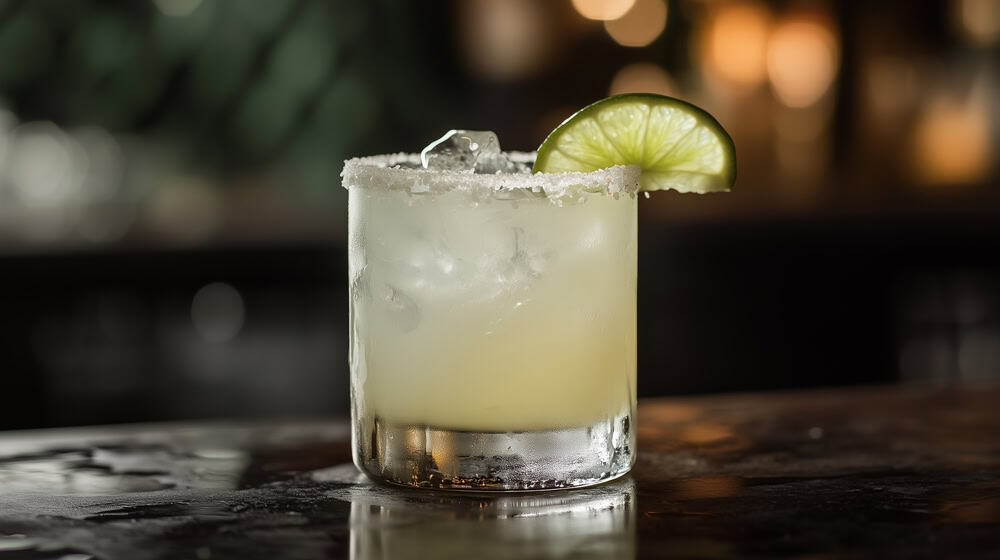
A cocktail making class is a short, recreational experience focused on teaching you drink recipes, basic mixing techniques, and some cocktail history. You’ll learn how to shake, stir, muddle, and garnish. You’ll walk away knowing how to make a handful of classic drinks—martinis, margaritas, old fashioneds—and maybe a few modern variations.
These classes typically last a few hours, cost anywhere from $50 to $150 per person, and prioritize enjoyment over rigorous skill-building. They work well if you want to elevate your home entertaining, plan a creative date night, or simply explore mixology as a hobby. You’re not being trained for speed, multitasking under pressure, or managing a full bar during peak hours.
Think of it as learning to cook a nice dinner at home versus training to run a professional restaurant kitchen. Both involve similar ingredients and techniques, but the skills, pace, and expectations are entirely different. Cocktail classes give you enough knowledge to feel confident making drinks for friends. They don’t prepare you to handle a three-deep crowd at a Long Island bar on a Saturday night.
Virtual Cocktail Making Class with Kit
Virtual cocktail making classes with kits became wildly popular during the pandemic and have remained a go-to option for corporate team building, remote celebrations, and long-distance gatherings. The setup is simple: a kit gets shipped to your door with ingredients, bar tools, and sometimes mini bottles of spirits. You join a live video session where an instructor demonstrates techniques and guides you through making two or three drinks together.
It’s convenient, social, and low-pressure. For what it is—a fun, interactive experience—it works. Companies across Nassau County use these events to boost morale, strengthen remote team connections, and break up the monotony of virtual meetings. Participants enjoy the hands-on element, the chance to learn something new, and the novelty of mixing drinks alongside coworkers from their own kitchens. Mocktail options make it inclusive for everyone, regardless of alcohol preferences.
But here’s what virtual cocktail classes don’t do: they don’t teach you to work under real bar conditions. You’re not managing multiple drink orders simultaneously while maintaining conversation with customers. You’re not learning to operate a soda gun, navigate a POS system, or handle cash transactions accurately during a rush. You’re not developing the muscle memory that comes from repetition in a high-pressure environment where speed and precision determine your tips.
You’re also not learning the critical soft skills that separate good bartenders from great ones—reading customer behavior, managing intoxication responsibly, de-escalating tense situations, or upselling without being pushy. Those skills require real-world practice with real customers, not a scripted video session where everyone’s relaxed and following along at their own pace.
If your goal is to enjoy a creative activity, bond with your team, or learn a few cocktail recipes for home use, virtual classes deliver exactly that. If you’re exploring bartending as a potential career, they won’t bridge the gap between hobbyist and professional. You’ll need hands-on training with actual bar equipment, realistic scenarios, and constructive feedback from instructors who’ve worked the job themselves.
The gap between making cocktails in your kitchen and working a busy shift at a Nassau County restaurant or event venue is significant. Virtual classes are a starting point for exploration, not a substitute for professional training.
Cocktail Making Class vs Professional Bartending Training
The difference between a cocktail making class and professional bartending training comes down to intent, depth, and outcome. A cocktail class teaches you enough to make drinks for fun or personal enjoyment. Professional bartending training teaches you enough to get hired, perform consistently under pressure, and earn a living in the hospitality industry.
Professional bartending programs cover everything a working bartender needs: speed pouring, recipe memorization for 100+ drinks, multitasking during peak service, customer service excellence, inventory management, cash handling, alcohol laws, responsible beverage service, and the ability to stay organized and calm when the bar is slammed. You’re practicing with the same equipment you’ll encounter on the job—soda guns, speed rails, jiggers, shakers, strainers, muddlers, garnish stations, glassware, and cash registers. You’re learning to read customers, make recommendations, upsell appropriately, and handle difficult situations without losing composure.
In Nassau County, NY, bartending jobs at restaurants, catering companies, country clubs, and event venues expect candidates who can hit the ground running. Employers want bartenders who know more than recipes—they want professionals who can move fast, stay organized, deliver exceptional service, and contribute to a positive guest experience even during the busiest shifts. A one-time cocktail class won’t prepare you for those expectations. A structured, comprehensive bartending program will.
We designed our signature five-day full-time program to pack in everything you need to start working immediately. You’re not spending weeks on theoretical knowledge you’ll never use. You’re getting intensive, hands-on practice in realistic bar scenarios, earning New York State A.T.A.P. certification, completing Alcohol Beverage Control Law training, and receiving B.A.R. certification—all credentials that Long Island employers recognize and value. Our one-day condensed option accommodates tighter schedules, but both programs focus on career readiness, not casual recreation.
The earning potential makes the investment worthwhile. Bartenders working at busy Long Island establishments regularly earn $200+ per night in tips alone, on top of hourly wages. Over the course of a week, that adds up to serious income—income that comes from real skills developed through deliberate, professional training, not a couple hours of casual instruction.
Cocktail classes are great for exploration and entertainment. Bartending school is for people ready to build a career, earn competitive income, and work in the hospitality industry with confidence and competence.
When a Cocktail Class Makes Sense
Cocktail making classes aren’t the wrong choice—they’re just the right choice for specific situations and goals. If you’re hosting more dinner parties and want to confidently craft cocktails for guests instead of defaulting to beer and wine, a class gives you the foundational techniques and recipes to elevate your entertaining. If you’re curious about mixology but not ready to commit to a career path, it’s a low-risk, low-cost way to explore the craft without major investment.
Corporate teams across Nassau County and Long Island use cocktail making classes as team-building activities because they’re interactive, inclusive, and genuinely enjoyable. It’s a refreshing change from trust falls, escape rooms, or another generic happy hour. For couples, it’s a creative date night that teaches you something useful while spending quality time together. For hobbyists and cocktail enthusiasts, it’s an opportunity to learn techniques, discover new flavor combinations, and expand your home bar repertoire with guidance from someone who knows the craft.
The key is knowing what you’re getting and what you’re not. You’re not walking away job-ready or equipped to work professionally. You’re walking away with some practical skills, increased confidence, and a deeper appreciation for what goes into a well-crafted cocktail. That’s valuable in its own right—as long as your expectations align with reality.
Using Cocktail Classes as a Gateway to Bartending School
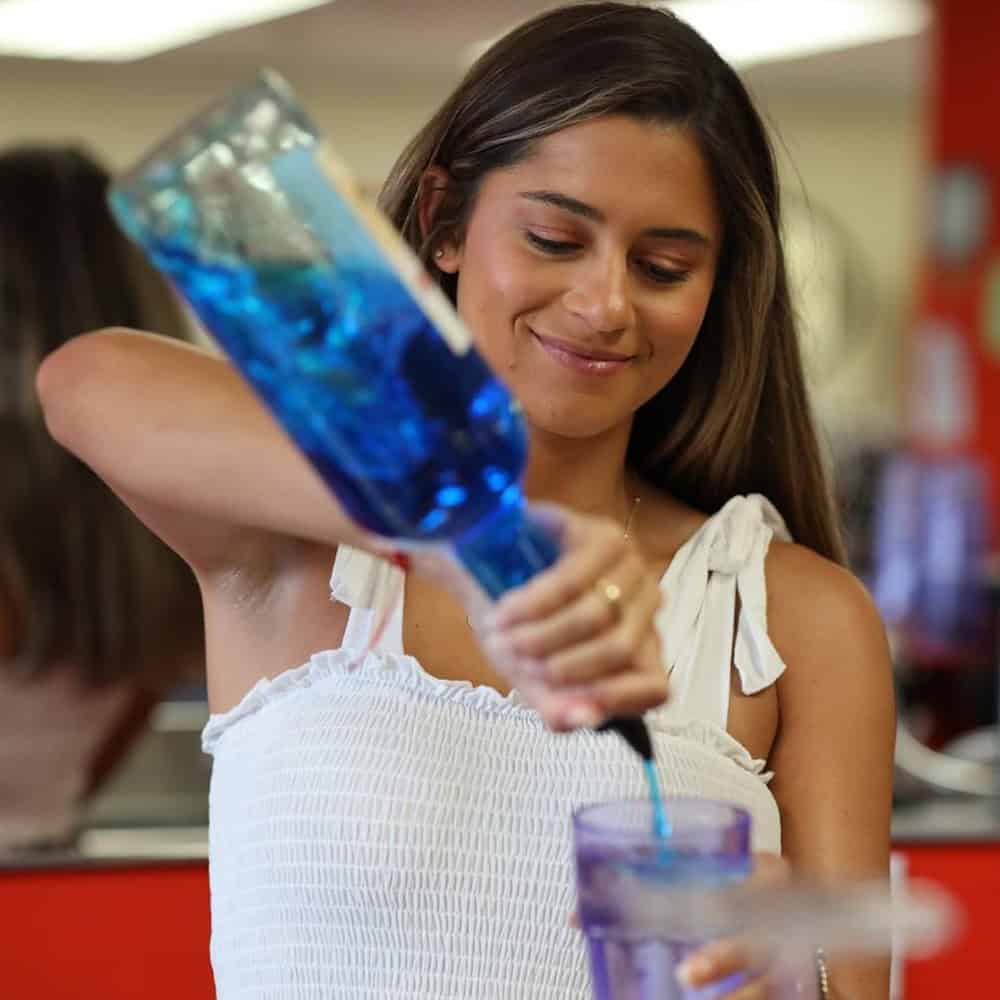
Here’s where cocktail making classes can actually serve a strategic purpose for aspiring bartenders: they let you test the waters before fully committing. If you’ve never made a cocktail in your life and you’re unsure whether you’ll enjoy the hands-on nature of the work, taking a short class gives you a low-stakes introduction without the time and financial commitment of a full training program.
You’ll quickly discover whether you enjoy the tactile process of mixing drinks, the social interaction that comes with serving others, and the creative satisfaction of crafting something people genuinely appreciate. If the experience resonates with you and you find yourself thinking about bartending beyond that single class, that’s your signal to explore professional training. If it doesn’t click or you realize the work doesn’t appeal to you, you’ve saved yourself the investment of enrolling in a comprehensive program only to discover it’s not the right fit.
Think of it as a trial run. You wouldn’t commit to buying a car without test-driving it first. The same logic applies here. A cocktail making class can validate your interest and confirm you want to pursue bartending seriously, or it can help you realize this isn’t the career path for you. Either outcome provides clarity and saves you time in the long run.
But if the class ignites genuine interest and you start seriously considering bartending as a viable career option, don’t stop there. The next critical step is finding a program that actually prepares you for professional work—one that offers hands-on training with real bar equipment, industry-recognized certifications, job placement assistance, and ongoing support as you launch your career.
That’s where our 30+ years of experience becomes relevant. You’re not just memorizing recipes or learning to shake a cocktail for fun. You’re learning how to operate a professional bar, handle real customers with varying needs and personalities, manage high-pressure situations, and earn consistent income in Nassau County’s competitive hospitality market. Our Long Island and Queens campuses make training accessible for local residents, and our five-day intensive program means you’re not stuck in training limbo for months before you can start working and earning.
We also provide lifetime refresher courses, which means if you take a break from bartending or want to brush up on skills years later, you can return for additional training at no extra cost. Our alumni job portal connects graduates with employment opportunities across Suffolk, Nassau, and Queens Counties, giving you direct access to venues actively hiring trained bartenders. That kind of ongoing support doesn’t exist with one-time cocktail classes.
If you’re using a cocktail class as a gateway to explore bartending, make sure you understand where the gate leads. The goal isn’t just to make drinks that taste good—it’s to build a comprehensive skill set that makes you hireable, competent, and confident in real bar environments where your performance directly impacts your income.
Why Professional Bartending Requires More Than Virtual Classes
Virtual cocktail classes are fun, convenient, and perfectly suited for team building or casual learning. But they fundamentally can’t replicate the chaos, pressure, and multitasking demands of a packed bar on a Friday or Saturday night. They can’t teach you to juggle five drink orders simultaneously while answering customer questions, checking IDs, monitoring alcohol consumption, and keeping an eye on the patron who’s had one too many and might need to be cut off. They can’t train you to move with speed and precision when every second counts and your tips depend on how efficiently you work.
Professional bartending is a physically demanding, fast-paced job that requires multitasking, stamina, spatial awareness, and the ability to stay calm and focused under sustained pressure. You’re on your feet for six to eight hours at a stretch. You’re managing inventory, handling cash and credit transactions, operating specialized equipment, maintaining cleanliness and organization, and constantly reading the room to ensure guests are enjoying themselves without situations escalating into problems. None of that translates effectively through a screen or a kit shipped to your home.
Real bar environments demand real training in realistic conditions. You need to practice pouring accurately while someone’s shouting an order at you from across the bar. You need to learn how to set up your station efficiently so you’re not wasting precious seconds searching for bottles, tools, or garnishes during a rush. You need to understand New York State alcohol laws inside and out, know how to serve responsibly and legally, and develop the judgment to recognize when a customer has reached their limit and needs to be refused service—even when that’s an uncomfortable conversation.
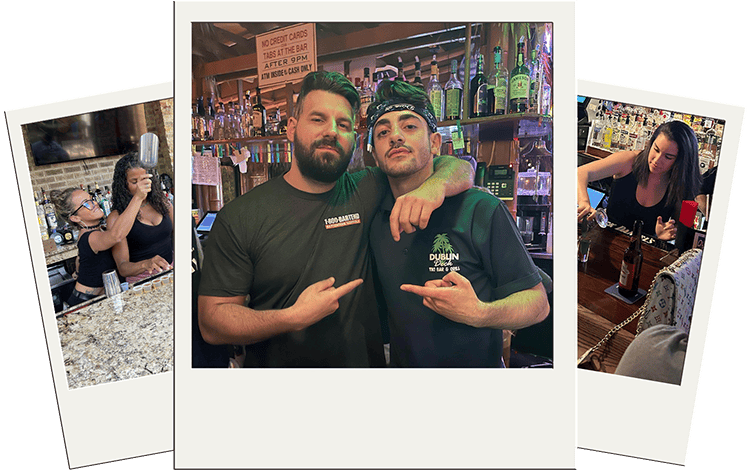
In our program, students train on actual professional bar equipment—soda guns, speed rails, commercial glassware, garnish stations, cash registers, and full bar setups that mirror what they’ll encounter in real Long Island establishments. They’re not passively watching demonstrations or following along at a leisurely pace. They’re actively doing the work, making mistakes, receiving immediate feedback, and improving through repetition and practice in conditions that simulate the real job. That’s how you build the confidence, competence, and muscle memory employers are looking for when they hire bartenders.
Our New York State A.T.A.P. certification, Alcohol Beverage Control Law training, and B.A.R. certification aren’t just pieces of paper—they’re proof that you’ve been trained to handle the legal, ethical, and practical responsibilities of serving alcohol in New York. Employers in Nassau County, Suffolk County, and Queens recognize these credentials and understand what they represent. Having them on your resume signals that you’ve invested in professional training and you’re serious about the work.
Beyond the training itself, we offer lifetime refresher courses, meaning you can return anytime to sharpen your skills, learn new techniques, or regain confidence if you’ve taken time away from bartending. Our alumni job portal provides ongoing access to employment opportunities, connecting graduates with hiring managers at restaurants, event venues, catering companies, and bars across Long Island. That’s not something you get from a one-time virtual cocktail class or a weekend workshop. You’re joining a professional network, gaining access to real job opportunities, and building a foundation for long-term success in the hospitality industry.
If bartending is something you want to pursue professionally—not just as a hobby or occasional side interest—virtual classes and home kits won’t bridge the gap. You need comprehensive, hands-on, high-pressure training that prepares you for what the job actually demands, taught by instructors who’ve worked behind real bars and understand what it takes to succeed in this field.
Choosing the Right Path for Your Goals
Cocktail making classes and professional bartending training both have legitimate value—they just serve entirely different purposes. The question you need to answer is: what are you actually trying to accomplish? If you want to make better drinks at home, enjoy a fun activity with friends or coworkers, or simply test whether mixology interests you before making any commitments, a cocktail class works perfectly. If you want to earn money, build a viable career, and work confidently in real bar environments across Nassau County and Long Island, you need professional training that goes far deeper than a few hours of instruction.
Don’t confuse the two or expect one to deliver the outcomes of the other. A short cocktail class won’t prepare you for the speed, pressure, multitasking, and customer service skills required to bartend professionally and earn competitive income. But a structured, comprehensive program with hands-on training, industry certifications, job placement support, and ongoing career resources absolutely will.
If you’re ready to move beyond recreational mixing and start building real bartending skills that translate into employment and income, we offer the training, experience, and support to get you there. With over 30 years in the business, campuses in Long Island and Queens, and a track record of helping students launch careers in as little as one week, we provide a clear path from beginner to working bartender. Whether you’re exploring bartending for the first time or ready to fully commit to the profession, the next step is within reach.