
Summary:
You’ve seen the job postings. Bartenders in Nassau County pulling in serious money, working flexible hours, meeting interesting people. But every listing seems to want experience you don’t have yet. Here’s what most people don’t realize: you can go from zero bartending knowledge to fully certified and job-ready in one week. Not months. Not even a full semester. One focused week of the right training, and you’re walking into interviews with the skills, certification, and confidence that gets you hired. The key is choosing a quick bartending course that’s actually built for results, not just checking boxes.
What Makes a Quick Bartending Course Actually Work
Let’s be clear about something up front. Quick doesn’t mean cutting corners. The best accelerated bartending programs pack more practical, hands-on training into a condensed timeframe than traditional courses spread over months.
You’re not watching videos or reading textbooks. You’re behind an actual bar setup from day one, working with real soda guns, POS systems, glassware, and equipment you’ll use in actual establishments. That’s the difference between programs that prepare you for the job and programs that just give you a certificate.
The structure matters too. A legitimate quick bartending course includes New York State ATAP certification, Alcohol Beverage Control Law training, and B.A.R. credentials. These aren’t optional extras. They’re what employers in Nassau County expect when you walk through the door.
40 Hour Bartending Course: Why This Duration Works
There’s a reason the 40 hour bartending course became the industry standard. It’s not arbitrary. Forty hours gives you enough repetition to build muscle memory for the physical techniques while covering the breadth of knowledge you need without information overload.
Think about what actually goes into bartending at a professional level. You need to know how to free pour accurately, which takes practice with feedback. You need to memorize dozens of drink recipes and understand why certain ingredients work together. You need to operate a cash register while managing multiple orders, understand when someone’s had too much to drink, and know the legal consequences of serving improperly.
All of that fits into a well-designed 40-hour program because the focus stays on what you’ll actually use. You’re not learning cocktail history for trivia night. You’re learning the drinks customers order, the techniques that keep service fast, and the laws that keep everyone safe.
The intensive format works because you stay immersed. When you train five days straight instead of spreading it over months, everything connects. Monday’s pouring techniques are fresh when you’re building cocktails on Wednesday. By Friday, you’re moving through complete service scenarios with the kind of flow that makes managers want to hire you.
That immersion creates confidence too. You finish the week knowing you can handle what the job throws at you because you’ve already done it dozens of times in a realistic setting.
How Quick Training Prepares You for Real Bar Work
Here’s what separates programs that work from programs that waste your time. The good ones simulate actual bar conditions, not classroom theory.
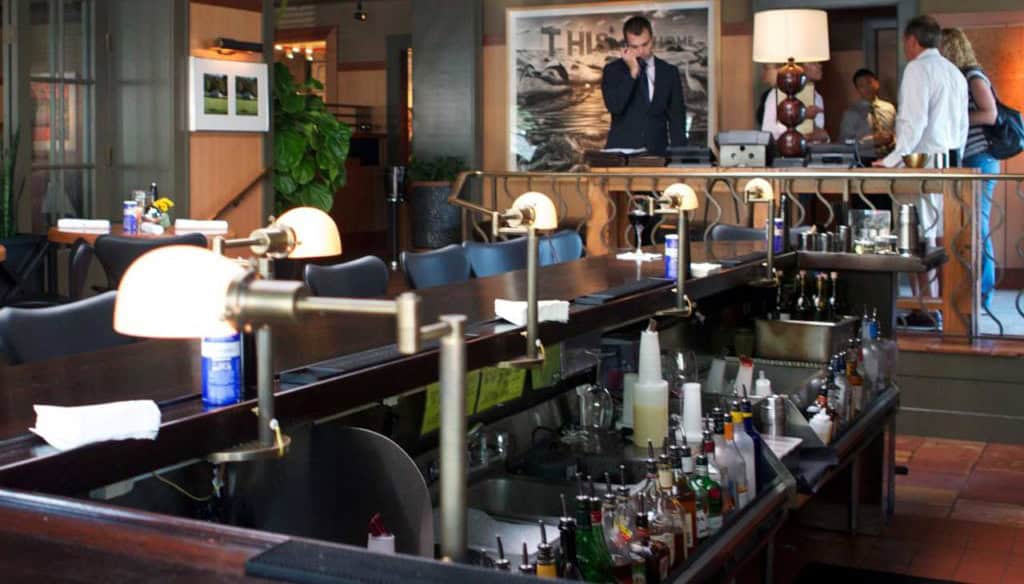
You’re not practicing with water bottles and kitchen measuring cups. You’re working behind a professional bar setup that mirrors what you’ll encounter at your first job. The soda gun feels the same. The well is organized the same way. The glassware, the ice bins, the speed rails—everything matches real working conditions.
This matters more than you might think. Walk into your first shift at a busy Nassau County restaurant, and nobody’s giving you a tour. They’re pointing you to your station and expecting you to keep up. If your training happened behind equipment that looks and feels like their bar, you’re not starting from zero. You know where things go, how to move efficiently, and what good service flow looks like.
The best quick bartending courses also teach you the business side. Inventory management, cost control, upselling techniques. These directly impact a bar’s profitability, which means they directly impact whether you get hired and how fast you advance.
Then there’s the certification component. New York State ATAP training isn’t just a legal requirement in many situations. It’s your proof that you understand responsible alcohol service, can identify fake IDs, know when to cut someone off, and understand the liability issues that keep establishments out of trouble. Managers can tell the difference between someone who took this seriously and someone who just wants to pour drinks.
When you combine hands-on technical skills with proper certification and business knowledge, you’re not just another applicant hoping for a chance. You’re someone they can put behind the bar immediately, which is exactly what busy establishments need.
Weekend Bartending Classes and Flexible Training Options
Not everyone can take a full week off for training. Maybe you’re working another job. Maybe you’ve got family commitments. Maybe you just can’t afford to pause your income for five straight days.
That’s where weekend bartending classes make sense. Same comprehensive training, same hands-on approach, same certification. Just structured around a schedule that works when you’re already busy.
The key is making sure weekend programs don’t sacrifice quality for convenience. You still need those 40 hours of training. You still need time behind the bar practicing until techniques become automatic. Weekend formats just spread that over a few weekends instead of one intensive week.
Comparing Weekend vs. Intensive Weekday Programs
Both formats have advantages. The question is which one matches your situation and learning style.
Intensive weekday programs—usually Monday through Friday, full days—get you certified and job-ready in one week. You’re completely immersed. Nothing else competes for your attention. You practice a technique in the morning, refine it in the afternoon, and by the end of the week, it’s second nature. This format works best if you can dedicate that time and you want to start working as fast as possible.
Weekend bartending classes spread the same training over multiple weekends. You might attend Saturday and Sunday for two or three consecutive weekends, or a similar arrangement. This gives you time between sessions to let information settle, practice what you learned, and come back with questions. It also means you can keep your current job while training for your next one.
Some people absorb information better with the spacing that weekend classes provide. Others prefer the momentum of intensive training where everything builds day after day. Neither approach is inherently better. It depends on your schedule, your learning preferences, and how quickly you need to start earning.
What matters more than the schedule is what happens during those hours. Are you getting real practice time behind the bar, or mostly watching demonstrations? Are class sizes small enough that you get individual feedback, or are you lost in a crowd? Does the program include actual job placement support, or do they hand you a certificate and wish you luck?
We’ve been placing bartenders successfully for over 30 years because we understand that training is only half the equation. The other half is connecting you with establishments that are actually hiring. That’s where our industry relationships matter. With three decades of connections with bars, restaurants, and event venues across Nassau County and Queens, you’re not just trained—you’re networked into opportunities that never make it to public job boards.
Bartender Refresher Course: Keeping Skills Sharp Long-Term
Here’s something most people don’t think about until later: bartending skills fade if you don’t use them regularly. Maybe you bartend for a few years, then take a different job. Maybe you work seasonally. Maybe you just want to brush up before applying for a higher-end position that requires more advanced techniques.
That’s where bartender refresher courses become valuable. We don’t just certify you once and disappear. We offer lifetime access to refresher training at no additional cost.
Think about what that actually means. Five years from now, you can walk back in and practice whatever you need. New drink trends emerged and you want to learn them? Come back and train. Forgot how to properly tap a keg? Come back and practice. Applying for a craft cocktail position and need to refine your technique? Come back and work with an instructor.
This kind of ongoing support signals something important about our confidence in our training and commitment to our graduates. We’re not just selling you a course. We’re investing in your long-term success because your success reflects on us.
Refresher courses also address a common concern about quick bartending courses: “Can I really retain everything in just one week?” The answer is yes for the core skills you’ll use immediately. But having the option to come back anytime removes the pressure. You don’t need to memorize every obscure cocktail recipe during initial training because you can always refresh when you need it.
We also use refresher courses as networking opportunities. You’re training alongside new students and other alumni, which means you’re constantly expanding your industry connections. That bartender you meet during a refresher session might tell you about an opening at their upscale restaurant. That’s how careers actually advance—through relationships and ongoing learning, not just initial certification.
Start Your Bartending Career This Week in Nassau County
The difference between people who think about bartending and people who actually do it comes down to one decision: starting. Not someday. Not after you’ve saved more money or found more time. Now.
A quick bartending course gives you everything you need to walk into interviews confident, certified, and ready to work. The 40 hour format has trained thousands of successful bartenders because it focuses on what actually matters. Weekend bartending classes make it possible even when your schedule is packed. And lifetime bartender refresher courses mean your skills stay sharp no matter where your career takes you.
Nassau County has hundreds of bartending positions available right now. The question isn’t whether opportunities exist. It’s whether you’re prepared to take them. With the right training, you will be.