
Summary:
You’re ready to start bartending, but everyone’s telling you different things about licenses and certifications. Some say you need a bartending license. Others mention ATAP certification. A few claim you don’t need anything at all. Here’s the truth: while New York doesn’t legally require a bartending license, most employers won’t hire you without proper certification. Understanding exactly what you need—and how to get it quickly—can be the difference between landing that bartending job next week or watching opportunities slip by.
What is a Bartending License in New York?
Here’s where it gets confusing. New York doesn’t actually issue formal “bartending licenses” the way some states do. When people talk about a bartending license in New York, they’re usually referring to ATAP certification—the Alcohol Training Awareness Program.
Think of it this way: there’s no state agency that hands out bartending licenses like driver’s licenses. Instead, what employers call a “bartending license” is really proof that you’ve completed approved alcohol service training. This training teaches you to serve alcohol responsibly, spot fake IDs, and handle intoxicated customers—all things that protect both you and your employer from legal trouble.

Why Employers Require ATAP Certification
Most bars and restaurants in Suffolk County, Nassau County, and Queens won’t even interview candidates without ATAP certification. This isn’t because they’re being difficult—it’s because their insurance companies and liability concerns demand it.
When you walk into a job interview with ATAP certification, you’re telling the hiring manager that you understand the legal responsibilities that come with serving alcohol. You know how to spot signs of intoxication. You can identify fake identification. You understand New York’s alcohol laws and what happens when they’re violated.
The certification covers everything from preventing sales to minors to managing difficult situations professionally. These aren’t abstract concepts—they’re daily realities in busy Long Island establishments. Every shift, you’ll encounter situations where this training matters.
Plus, employers get actual legal protection when they hire certified bartenders. If something goes wrong and you make a mistake, employers with properly trained staff are eligible for reduced penalties from the New York State Liquor Authority. That’s why many establishments simply won’t take the risk of hiring uncertified bartenders.
The bottom line? ATAP certification has become the unofficial standard for bartending employment in the New York area. Without it, you’re competing for the few positions that don’t require it—and those jobs usually offer lower pay and fewer opportunities for advancement.
How Long Does ATAP Certification Take?
The good news? Getting ATAP certified doesn’t take months or even weeks. Most programs can be completed in a matter of hours or days, depending on the format you choose.
Online ATAP courses typically take 2-4 hours to complete. You can work at your own pace, take breaks as needed, and finish the program when it’s convenient for you. These courses cover all the required material—alcohol laws, responsible service techniques, and safety protocols—and conclude with a final exam that you need to pass with at least 70%.
In-person ATAP training, often included as part of comprehensive bartending programs, can be completed in a single day or spread across a few days of hands-on instruction. These programs combine the legal training with practical bartending skills, giving you both the certification employers require and the technical abilities you need to excel behind the bar.
The certificate itself is valid for three years in New York, so once you’re certified, you’re good to go for a substantial period. When it comes time to renew, you simply retake the course—a small investment for continued employability in the industry.
What’s particularly appealing about ATAP certification is that you can often complete it as part of a broader bartending education program. This means you’re not just getting the legal credential—you’re also learning the practical skills that make you valuable to employers.
Many bartending schools in Suffolk County, Nassau County, and Queens include ATAP certification as part of their comprehensive training programs. This approach lets you knock out both requirements at once while also gaining hands-on experience with actual bar equipment and real-world scenarios.
Bartending Certification vs. License: The Real Difference
If you’re confused about the difference between bartending certification and licensing, you’re not alone. The terms get used interchangeably, and that’s because there really isn’t a meaningful distinction in New York.
Both terms generally refer to the same thing: completing an approved training program that demonstrates your knowledge of responsible alcohol service. Whether someone calls it a license or certification, they’re talking about the credential that proves you’re qualified to serve alcohol professionally.

What Bartending Certification Actually Covers
Real bartending certification goes far beyond just the legal requirements. While ATAP training focuses on alcohol laws and responsible service, comprehensive bartending certification covers the practical skills you need to succeed behind the bar.
A quality certification program teaches you drink recipes, proper pouring techniques, and how to use professional bar equipment. You learn to operate POS systems, handle cash transactions, and manage inventory. Customer service skills, upselling techniques, and conflict resolution are all part of the curriculum.
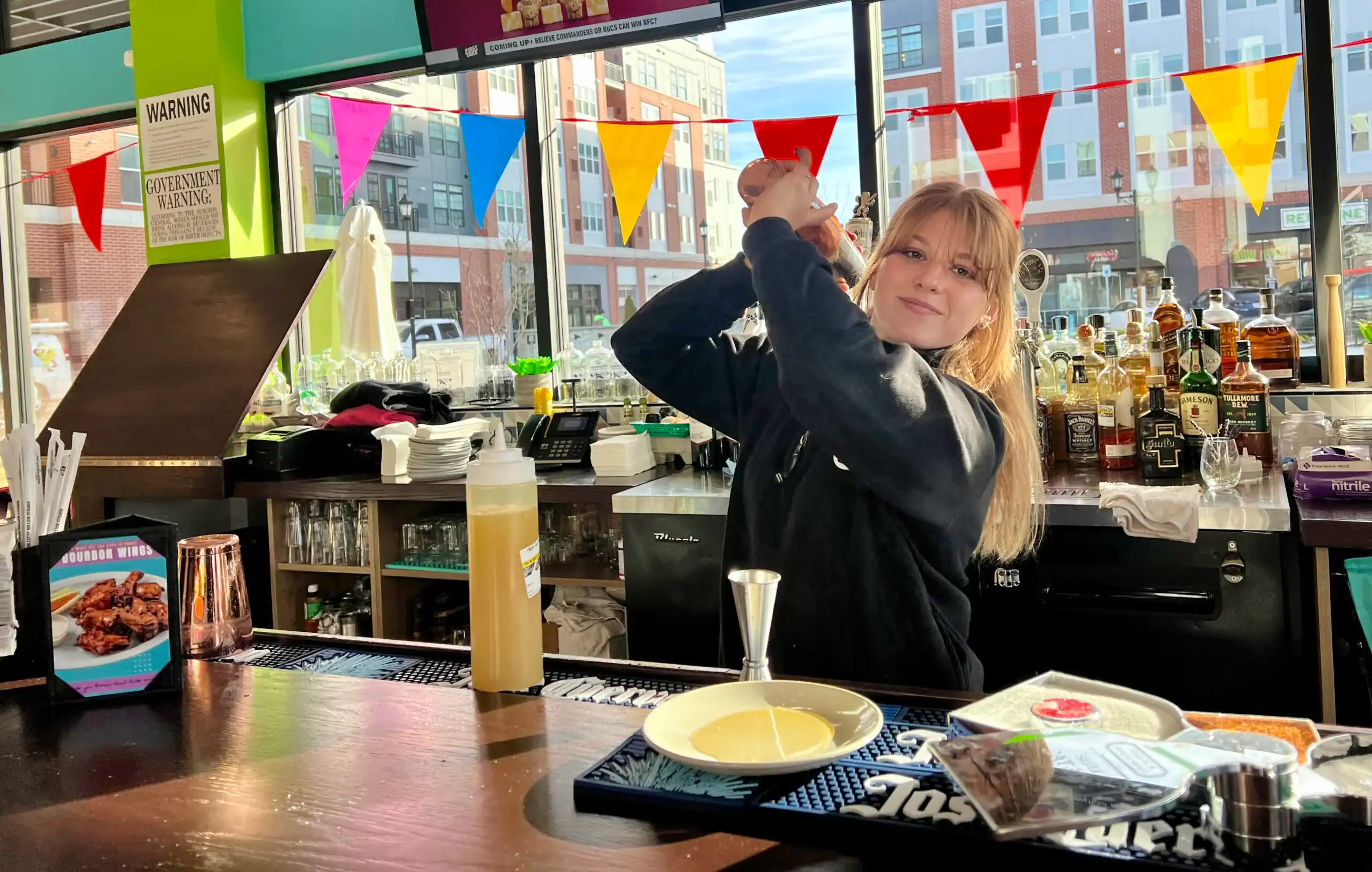
The hands-on component is crucial. You practice making drinks with real ingredients, learn to work efficiently under pressure, and develop the muscle memory that comes with repetition. You get comfortable with the tools of the trade—shakers, strainers, jiggers, and garnish prep.
Many programs also cover the business side of bartending. You learn about different types of establishments, how to read a crowd, and what employers look for when hiring. Some include job placement assistance, helping you connect with local bars and restaurants that are actively hiring.
This comprehensive approach is what separates real certification from just checking a box. When you complete a thorough program, you’re not just legally qualified to serve alcohol—you’re actually prepared to do the job well from day one.
The best certification programs in Nassau County, Suffolk County, and Queens combine legal training with practical instruction. You leave with both your ATAP certification and the confidence to handle whatever a busy shift throws at you.
Why Online-Only Training Isn't Enough
You can complete ATAP certification online, and that might seem like the fastest, cheapest route to employment. But if you’re serious about bartending as a career, online-only training leaves you underprepared for the reality of the job.
Online courses teach you the legal requirements, but they can’t teach you how it feels to work behind a busy bar during a Friday night rush. You’ll know the theory of making a martini, but you won’t have the muscle memory to make ten of them quickly while taking orders and handling payments.
The difference becomes obvious during your first shift. Bartenders who only completed online training often struggle with basic tasks that seem simple in theory but require practice to execute smoothly. They’re slower, less confident, and more likely to make mistakes that frustrate customers and management.
Hands-on training changes everything. You practice with real equipment in realistic scenarios. You learn to multitask effectively, work cleanly under pressure, and maintain quality standards even when things get hectic. You develop the physical skills and mental processes that separate competent bartenders from beginners.
Employers can usually tell the difference within the first few shifts. Bartenders with comprehensive training tend to get better schedules, more responsibilities, and faster promotions. They’re more valuable to the establishment because they can handle complex situations without constant supervision.
If you’re looking at bartending as more than just a temporary job, investing in proper hands-on training pays dividends throughout your career. The initial time and cost investment gets recovered quickly through better job opportunities and higher earning potential.
Getting Started With Bartending in New York
The path to bartending success in Suffolk County, Nassau County, and Queens is straightforward once you understand what employers actually want. ATAP certification is your entry ticket, but comprehensive hands-on training is what makes you valuable.
Look for programs that combine legal certification with practical skills training. You want real bar equipment, experienced instructors, and job placement support. The investment in quality training pays off quickly through better job opportunities and higher earning potential.
Ready to start your bartending career? We offer complete certification and hands-on training programs designed to get you working fast in the New York market.