Summary:
You’ve seen the job postings. Bartending positions in Nassau County are everywhere, many offering solid pay and flexible schedules. But most want certification, experience, or both—things you don’t have yet.
Here’s what matters: New York doesn’t technically require a bartending license, but that doesn’t mean you can skip training. The certifications employers actually care about, the programs that prepare you for real bar work, and the timeline that gets you earning fastest all vary significantly.
This breakdown cuts through the confusion around bartending certification courses so you know exactly what you’re getting into and what you’re walking away with.
Bartending Certification Courses: New York Requirements and Options
New York doesn’t require a state-issued bartending license. You won’t find a government office issuing bartender permits. What you will find are employers who expect ATAP certification before they’ll put you behind their bar.
ATAP stands for Alcohol Training Awareness Program. It’s the New York State Liquor Authority’s voluntary education program that teaches responsible alcohol service. Voluntary in theory, but most serious establishments require it for their liability insurance. Some city ordinances mandate it outright.
Beyond ATAP, bartending certification courses vary widely. Some are purely online alcohol awareness training that take a few hours. Others are comprehensive programs combining hands-on technique training, customer service, inventory management, and business skills alongside the legal requirements. The difference shows up in your paycheck and your confidence on day one.

Bartending Education: What Certifications Actually Mean
Let’s clarify what you’re actually getting when you complete different types of bartending education programs.
ATAP certification proves you understand New York alcohol laws, can identify intoxication, know how to check IDs properly, and grasp your legal responsibilities. It’s valid for three years. You can complete it online in a few hours. It satisfies the “bartending license” requirement most New York employers mention in job postings.
Professional bartending certification goes further. These programs teach you how to actually bartend—mixing techniques, recipe knowledge, bar setup, customer service, speed pouring, inventory control, and cash handling. They typically include ATAP as part of the curriculum, so you’re not choosing between them.
The distinction matters because ATAP alone makes you legal to serve. Professional training makes you competent to serve. Employers in Nassau County’s competitive market can tell the difference immediately. When you walk into an interview knowing 100+ drink recipes, proper muddling technique, and how to manage a rush, you’re not competing with someone who only took a 3-hour online course.
Here’s what comprehensive bartending education typically covers: foundational mixology and cocktail families, proper pouring and measurement techniques, bar equipment operation and maintenance, customer service and communication skills, inventory management and cost control, point-of-sale system operation, responsible alcohol service and legal compliance, and opening/closing procedures.
The timeline varies. Some programs compress everything into an intensive one-week format. Others spread training across evenings and weekends for two to four weeks. Both approaches work—it depends on whether you need to start earning immediately or you’re balancing training with current employment.
Mixologist Training: Beyond Basic Certification
Mixologist training represents the advanced tier of bartending education. While standard certification gets you behind the bar, mixology programs develop the creative and technical skills that lead to higher-paying positions.
These programs dive deep into flavor profiles, ingredient pairing, cocktail history, and presentation techniques. You’re learning why certain spirits complement specific mixers, how to balance sweet and sour elements, and how to create signature drinks that become house specialties.
The practical difference shows up in where you can work and what you can earn. Basic bartending certification qualifies you for most restaurant bars, casual dining establishments, and high-volume venues. Mixologist training opens doors to craft cocktail bars, upscale restaurants, hotel lounges, and private events where tips run significantly higher.
Nassau County’s hospitality scene includes both types of establishments. The sports bars and casual restaurants need competent bartenders who can pour accurately and serve quickly. The waterfront restaurants and country club venues want mixologists who can discuss spirit provenance and craft custom cocktails for discerning customers.
Consider your career goals when choosing between certification levels. If you want steady work with good tips and reasonable hours, comprehensive bartending certification gets you there. If you’re aiming for the top-tier venues where bartenders are viewed as craftspeople and compensated accordingly, mixologist training becomes worth the additional investment.
The best programs don’t make you choose. They build mixology skills into their bartending curriculum, teaching you foundational techniques first, then advancing into creative applications. You graduate with both the speed and efficiency needed for busy shifts and the knowledge to impress customers who appreciate craft cocktails.
One practical consideration: mixology skills give you options beyond traditional employment. Private events, catering companies, and consulting opportunities open up when you can design drink menus and train other bartenders. That flexibility becomes valuable as your career develops.
Professional Bartending Program Components and Career Benefits
Professional bartending programs differ from basic certification in both scope and outcomes. You’re not just learning legal compliance—you’re developing the complete skill set employers actually need.
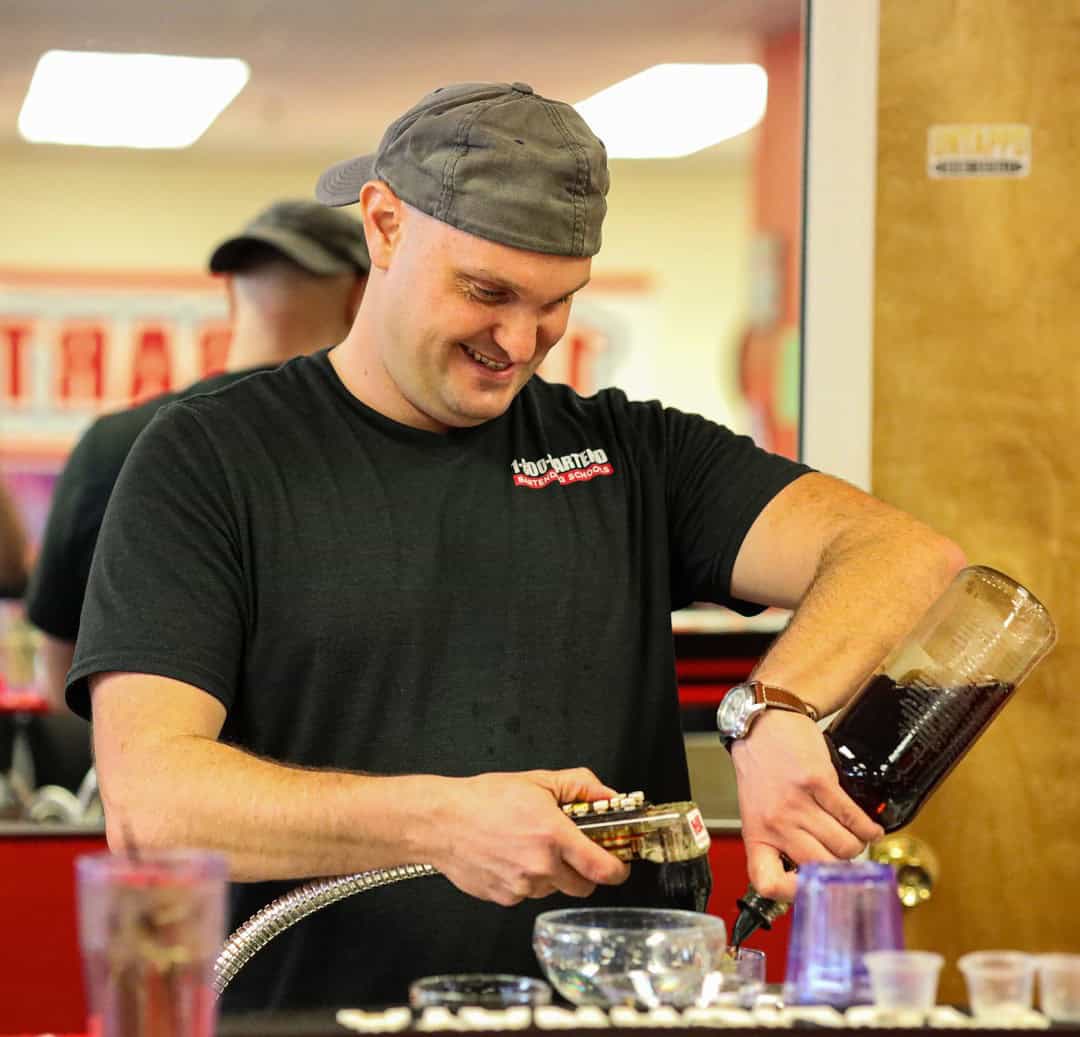
The hands-on component matters most. Reading about proper shaking technique doesn’t prepare you for making 50 margaritas during happy hour. Programs using real bar equipment, actual glassware, working soda guns, and functional POS systems give you muscle memory that translates directly to employment.
The career benefits extend beyond technical skills. Quality programs include job placement assistance, industry networking, and ongoing support. We maintain relationships with hundreds of local establishments, giving our graduates access to positions that never hit public job boards.

How Long Does Bartending Certification Take
Timeline matters when you’re planning a career transition or adding income streams. Bartending certification courses in New York range from single-day intensives to month-long programs, each with distinct advantages.
The fastest option is a one-week intensive program. These compress 40+ hours of training into five consecutive days, typically running 8-10 hours daily. You’re immersed completely—learning techniques in the morning, practicing through the afternoon, and building speed by evening. By Friday, you’re certified and ready to interview. This format works best if you can take a week off current employment or you’re between jobs and need to start earning quickly.
Two-week programs offer similar comprehensiveness with a more manageable daily schedule. Four to five hours per day, usually timed for evenings or weekends, lets you maintain current employment while training. The extended timeline gives you more practice repetitions and time to absorb information between sessions.
Part-time programs stretch over three to four weeks, meeting two or three times weekly. This format accommodates the most complicated schedules but delays your entry into actual employment. Consider whether the convenience justifies the longer wait before you’re earning.
Online-only ATAP certification takes just a few hours and can be completed same-day. But remember—this only covers legal requirements, not actual bartending skills. You’ll satisfy the certification requirement some employers mention, but you won’t know how to make a Manhattan or handle a Saturday night rush.
The real question isn’t just “how long does training take” but “how soon can I start working.” Programs offering job placement assistance often connect students with employment before graduation. Our graduates often interview during their final week of training and start their first shift within days of certification.
Nassau County’s hospitality market moves quickly. When restaurants and bars need bartenders, they need them now. Being certified and ready to start immediately gives you an advantage over candidates who need weeks of on-the-job training before they’re useful during busy shifts.
Employment Advantages of Professional Bartender Training Programs
The gap between self-taught bartenders and professionally trained ones shows up immediately in employment outcomes. Hiring managers can spot the difference during a working interview, and customers notice it in their first interaction.
Professional training develops reliability that employers value above flashy skills. You learn opening procedures, closing checklists, inventory counts, and cash handling protocols. These operational fundamentals keep bars running smoothly and managers happy. Self-taught bartenders often know 200 cocktail recipes but can’t properly close out a register or track pour costs.
Customer service training separates professional programs from basic certification. You’re learning how to read customers, manage difficult situations, pace service during rushes, and maximize tips through genuine engagement rather than forced friendliness. These soft skills directly impact your earnings and determine whether you get the profitable shifts.
The networking component provides advantages that extend throughout your career. Quality programs maintain relationships with bar managers, restaurant owners, and hospitality groups across Nassau County, Suffolk County, and Queens. These connections lead to job referrals, advancement opportunities, and insider knowledge about openings before they’re posted publicly.
Consider the long-term career trajectory. Bartenders who complete professional training programs advance faster into bar manager, beverage director, and hospitality management roles. You’re learning the business side of bartending—inventory management, cost control, staff training, and menu development—not just drink preparation.
The earning potential difference is substantial. Entry-level bartenders in Nassau County typically earn $150-$250 per shift in tips. That’s at casual restaurants and moderate-volume bars. Professionally trained bartenders who secure positions at upscale establishments, wedding venues, and private events regularly earn $300+ per shift. Over a year, that difference adds up to thousands of dollars.
Job security improves with professional training. When economic conditions tighten and establishments reduce staff, they keep their most competent bartenders. Being the person who can handle any station, train new employees, and maintain quality during rushes makes you indispensable rather than replaceable.
The investment in professional bartending education typically pays for itself within the first few weeks of employment. The combination of faster job placement, higher starting positions, and better tips means you’re recouping training costs while building a sustainable career rather than just finding temporary work.
Choosing the Right Bartending Certification for Your Goals
Bartending certification courses in New York range from bare-minimum legal compliance to comprehensive career preparation. The right choice depends on your timeline, career goals, and how seriously you’re approaching bartending as a profession.
If you need legal certification quickly and you’re planning to learn on the job, ATAP-only training satisfies that requirement. If you want to actually be good at bartending, earn solid money, and build a sustainable career, professional programs that combine hands-on training with certifications deliver better outcomes.
The Nassau County market rewards preparation. With hundreds of bartending positions available and employers who know the difference between certified and competent, comprehensive training gives you the competitive advantage that translates to better jobs and higher earnings from your first shift.
When you’re ready to move forward with professional bartending training that includes real equipment, industry connections, and job placement support, we offer the comprehensive approach that turns certification into actual employment.