Summary:
You’ve seen the bartenders at upscale restaurants in Garden City and Manhasset crafting those perfectly balanced cocktails with house-made syrups and artisanal garnishes. They’re not just mixing drinks—they’re earning premium wages in environments where skill translates directly to income.
That’s the difference craft cocktail training makes. While standard bartending gets you behind a bar, specialized cocktail courses position you for the venues where tips routinely exceed $200 per shift and annual earnings push past $96,000. In Nassau County’s competitive hospitality market, employers actively seek bartenders with advanced mixology skills, ATAP certification, and the confidence to work in high-pressure luxury settings.
Here’s what you need to know about craft cocktail classes and how they open doors to Long Island’s most lucrative bartending opportunities.
What Makes Craft Cocktail Classes Different From Standard Bartending Training
Standard bartending courses teach you the basics—how to pour a beer, mix a vodka soda, and handle a cash register. That’s fine if you’re aiming for neighborhood bars or casual dining spots.
Craft cocktail classes go several levels deeper. You’re learning flavor pairing, seasonal ingredient selection, and the techniques that transform a drink into an experience worth $18-$25 per cocktail. This is the training that prepares you for the upscale establishments across Nassau County where presentation matters as much as taste.
The earning difference is significant. Bartenders in standard positions might average $150 in tips on a good night. Craft cocktail specialists in premium venues regularly take home $200-$350 per shift because they’re serving a clientele that values expertise and pays accordingly.
Hands-On Mixology Training With Professional Equipment
Here’s what separates effective craft cocktail courses from programs that leave you unprepared: real equipment and actual practice time.
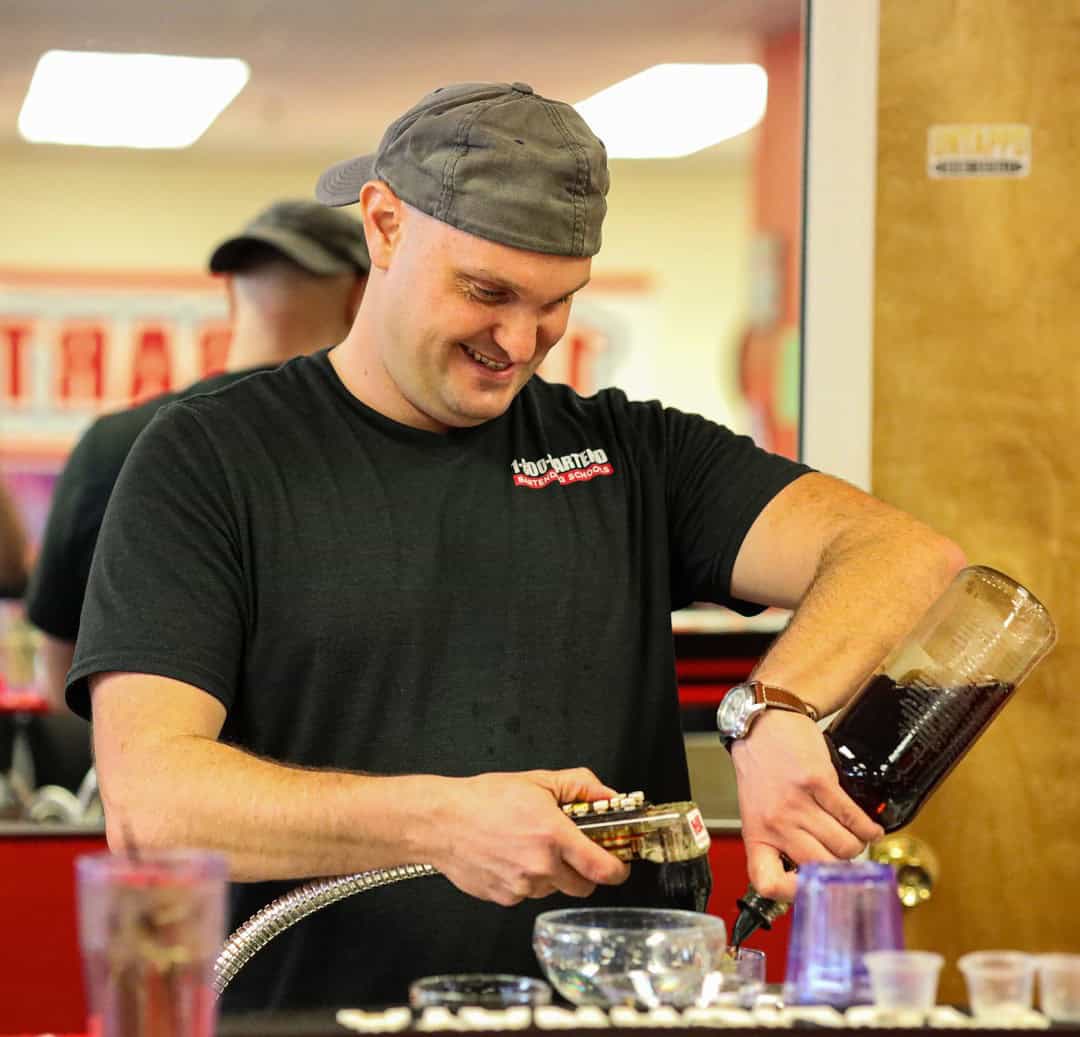
You need to work with professional-grade bar setups, not watch videos or memorize recipes. That means hands-on time with soda guns, commercial glassware, jiggers, shakers, and the same tools you’ll use in an actual upscale bar. It means practicing speed and precision under realistic conditions, not just casual mixing at your own pace.
The curriculum should cover the techniques currently trending in 2026’s cocktail scene. House-made syrups and shrubs are everywhere now—bartenders are creating custom flavor profiles instead of relying on pre-made mixers. You’ll see fermented ingredients, kombucha-based cocktails, and low-ABV drinks gaining serious traction as the “mindful drinking” movement grows. According to industry data, over 40% of Americans are actively trying to drink less alcohol, which means craft mocktails and lower-alcohol cocktails are becoming menu staples at premium venues.
Garnish artistry is another area where training makes a visible difference. Edible flowers, dehydrated fruit, creative ice presentations—these aren’t gimmicks. They’re expected elements at upscale establishments, and knowing how to execute them efficiently during a rush separates amateurs from professionals.
You’re also learning the business side that directly impacts your income. Upselling premium spirits, suggesting pairings, reading customers to recommend drinks they’ll actually enjoy—these skills increase check averages and, by extension, your tips. The best cocktail training programs teach you to think like a business operator, not just a drink maker.
ATAP Certification and Why Nassau County Employers Require It
Let’s clear up the confusion about bartending licenses in New York. The state doesn’t require a formal bartending license to serve alcohol. But here’s what matters more: employers do require certification, and the overwhelming preference is for ATAP-trained bartenders.
ATAP stands for Alcohol Training Awareness Program, and it’s the certification authorized by the New York State Liquor Authority. While technically voluntary, most establishments across Nassau County, Suffolk County, and Queens won’t hire you without it. Why? Because if an employee makes a mistake—serves a minor, over-serves an intoxicated patron—establishments with ATAP-certified staff are eligible for reduced penalties.
That creates a strong hiring preference. When two candidates apply and one has current ATAP certification, that person gets the job. It’s that simple.
The certification covers legal responsibilities, ID verification techniques, recognizing signs of intoxication, and the liability issues that come with alcohol service. It’s valid for three years, and quality bartending schools include it as part of their craft cocktail training.
For upscale positions specifically, ATAP certification is often listed as a requirement, not a preference. High-end restaurants, boutique cocktail lounges, and private event services can’t risk hiring uncertified staff. They’re serving premium clientele, operating with expensive liquor licenses, and maintaining reputations that depend on professional service. Your certification proves you understand the legal and ethical responsibilities that come with the role.
Beyond the hiring advantage, ATAP training protects you personally. In New York, bartenders and servers can be held liable for customer actions. If you over-serve someone who then causes an accident, you could face legal consequences. ATAP certification demonstrates you took appropriate precautions and understood your responsibilities—which can be a critical defense if something goes wrong.
Mixology Masterclass Components That Prepare You for Upscale Venues
A true mixology masterclass doesn’t just teach you to follow recipes. It develops your understanding of why certain ingredients work together, how to adjust flavors on the fly, and what makes a cocktail memorable enough that customers request you by name.
This level of training is what positions you for Nassau County’s premium hospitality market—the high-end restaurants in Manhasset, the boutique bars, the private events at Long Island’s numerous wedding venues and country clubs. These establishments need bartenders who can handle sophisticated requests, create custom cocktails, and maintain composure during high-pressure service.
The financial opportunity is real. Nassau County alone has over 350 bartending positions, with particularly strong demand in upscale dining and the wedding industry. Peak season runs May through October, and bartenders working private events during this period often earn $300+ per shift.
Advanced Techniques and Artisanal Methods
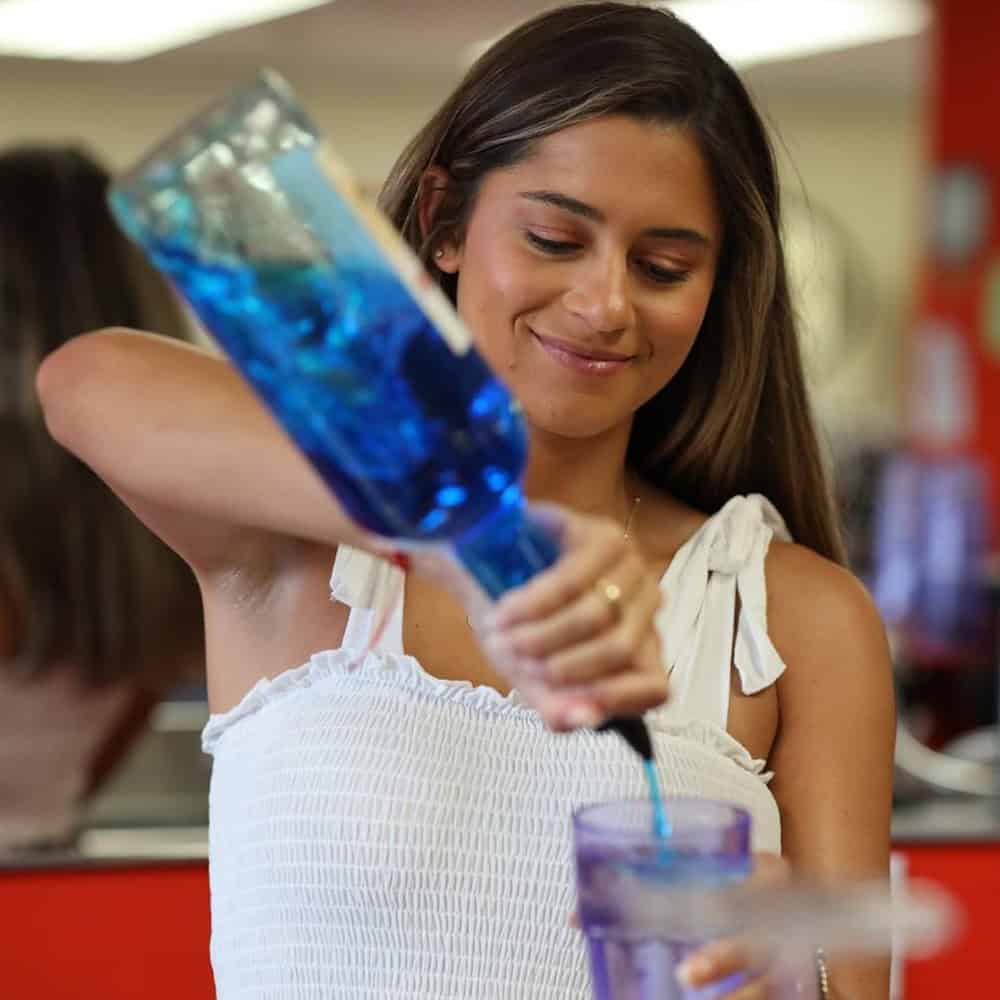
The craft cocktail movement has elevated bartending into genuine culinary artistry, and the techniques you’ll learn reflect that evolution.
You’re working with flavor layering—understanding how different spirits interact with bitters, how citrus acids balance sweetness, and how to create drinks that evolve as you sip them. This isn’t mixing by rote; it’s developing an intuitive sense for balance and complexity.
Seasonal cocktail creation is a major component. Upscale establishments change menus quarterly, incorporating farmers market ingredients and local flavors. You might work with persimmons in fall, fresh herbs in summer, or craft winter cocktails featuring spiced and barrel-aged elements. This requires knowledge of ingredient seasonality and the creativity to build drinks around what’s available.
The presentation skills matter more than many people realize. In 2026’s cocktail landscape, visual appeal drives social media engagement, which drives customer traffic. Bartenders who can create Instagram-worthy drinks with creative garnishes, unique glassware, and theatrical elements (think: flamed citrus peels, smoke, custom ice) become valuable marketing assets for their venues.
You’re also learning efficiency under pressure. Upscale doesn’t mean slow. During peak hours, you might be crafting multiple complex cocktails simultaneously while maintaining the precision and presentation standards that justify premium pricing. Training should simulate these conditions—not just teach you to make drinks when you have unlimited time.
The molecular mixology elements are becoming more common too. Clarified cocktails, fat-washing techniques, reverse spherification—these sound complicated, but they’re techniques that upscale venues increasingly expect their bartenders to execute. Quality training introduces you to these methods so you’re not learning on the job when a menu calls for them.
Career Positioning and Job Placement Support
Training is only valuable if it leads to actual employment, and this is where established schools with industry connections make a significant difference.
The reality of Nassau County’s bartending market is that many premium positions never reach public job boards. Managers at upscale restaurants and boutique bars prefer hiring through referrals and established relationships. They call schools they trust when they need qualified bartenders, and those positions get filled before anyone posts on Indeed or Craigslist.
This is why job placement support and industry connections should be a primary consideration when choosing cocktail training. You’re not just paying for education—you’re paying for access to the network that controls hiring at the venues where you actually want to work.
We maintain active relationships with employers across Nassau County, Suffolk County, and Queens. With partnerships spanning over 200 establishments, that’s meaningful access to opportunities that matter.
Our 24/7 alumni job portal is another feature that extends value beyond initial training. The bartending industry has high turnover, which means opportunities open constantly. Having ongoing access to job listings, even years after you complete training, provides career flexibility and the ability to move into better positions as you gain experience.
Lifetime refresher courses address a practical reality: cocktail trends evolve constantly. The techniques and ingredients popular in 2026 will shift by 2027. House-made syrups might give way to new preparation methods. Low-ABV cocktails could evolve into different formats. Having the ability to return for updated training without additional cost keeps your skills current and marketable.
The business consulting aspect we offer is particularly valuable if you’re considering private event work or eventually opening your own establishment. Understanding inventory management, cost control, menu pricing, and profit margins transforms you from an employee into someone who understands the business side of hospitality.
Start Your Craft Cocktail Career in Nassau County This Week
The difference between standard bartending and craft cocktail expertise comes down to training quality, industry credentials, and access to the right opportunities.
You need hands-on practice with professional equipment, ATAP certification that employers require, and connections to the upscale establishments where your skills translate to premium earnings. Our five-day intensive format means you can be working behind a bar within a week, not months. The lifetime support and job placement network mean you’re not navigating the industry alone.
Nassau County’s hospitality market rewards specialized skills. The venues paying $200+ per shift in tips aren’t looking for generic bartenders—they’re seeking craft cocktail specialists who can deliver the experience their clientele expects.
If you’re ready to position yourself for six-figure earning potential in Long Island’s upscale bar scene, the path starts with the right training. We’ve been preparing bartenders for premium careers for over 30 years, with dual campuses in Long Island and Queens and direct connections to the establishments actively hiring qualified craft cocktail bartenders.