Summary:
You’ve watched bartenders flip bottles, juggle shakers, and pour drinks with moves that look impossible. Maybe you’ve wondered if those skills actually matter, or if they’re just for show. Here’s the reality: flair bartending isn’t just entertainment—it’s a skillset that opens doors to cruise ships, premium venues, and tip earnings that regular bartenders can’t touch. If you’re looking to stand out in Nassau County’s competitive bar scene, or you want access to opportunities beyond the typical restaurant gig, learning flair techniques gives you an edge that basic bartending training simply doesn’t provide. Let’s talk about what a flair bartending course actually teaches you and where those skills can take your career.
What You Actually Learn in a Flair Bartending Course
A flair bartending course isn’t about memorizing one flashy trick. It’s about developing a complete skillset that combines entertainment with efficient drink service. You’ll learn bottle manipulation—how to flip, spin, and catch bottles safely while actually making drinks. Trick pouring techniques let you create visual interest without slowing down service. And you’ll master the difference between working flair (moves you can do during a busy Friday night shift) and exhibition flair (the high-risk performances you see in competitions).
The curriculum typically covers everything from basic tin flips and bottle stalls to more advanced techniques like juggling multiple bottles, behind-the-back catches, and synchronized pours. But here’s what matters most: you’re learning how to entertain guests while maintaining the speed and accuracy that bars actually need. The best flair bartenders don’t sacrifice efficiency for showmanship—they blend both seamlessly.
Hands-On Training With Real Bar Equipment
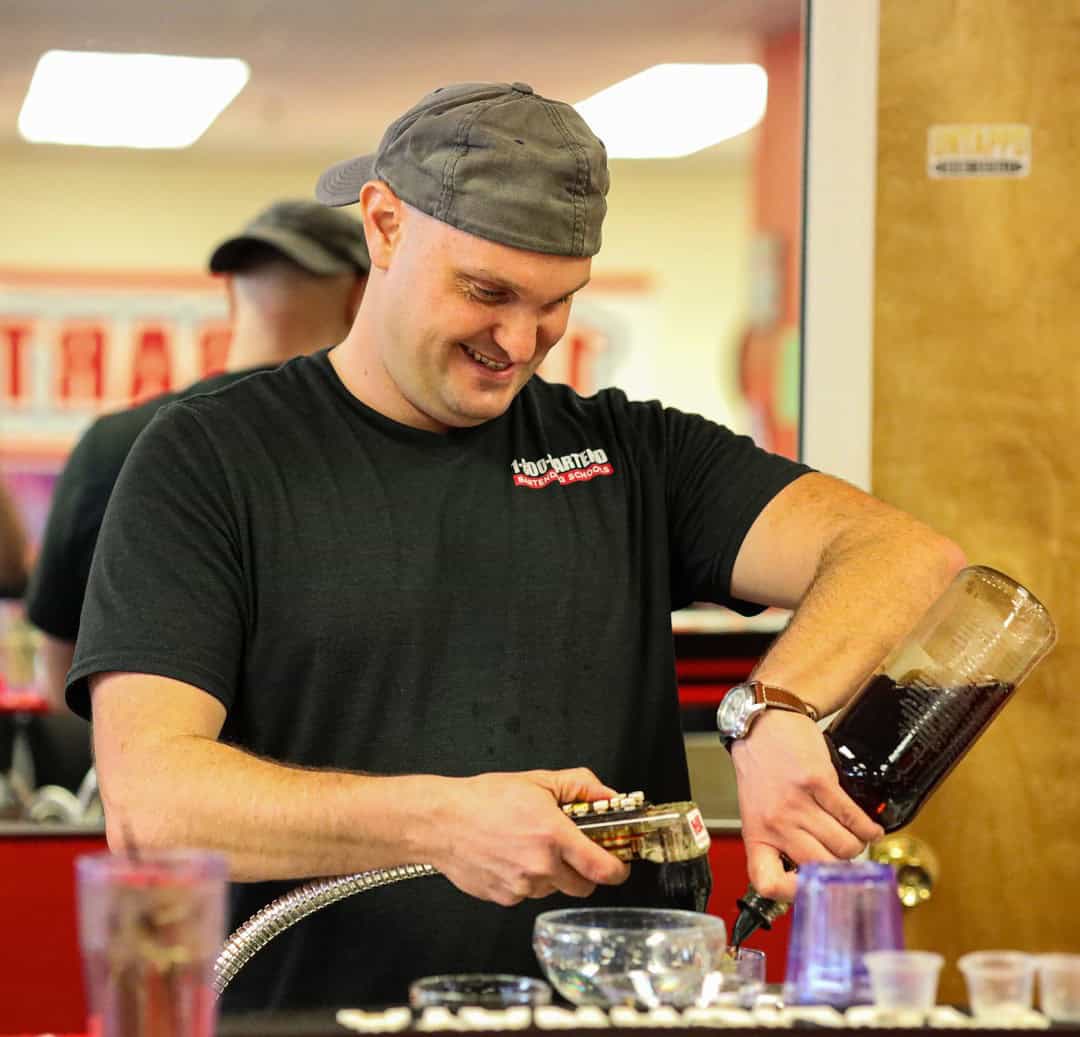
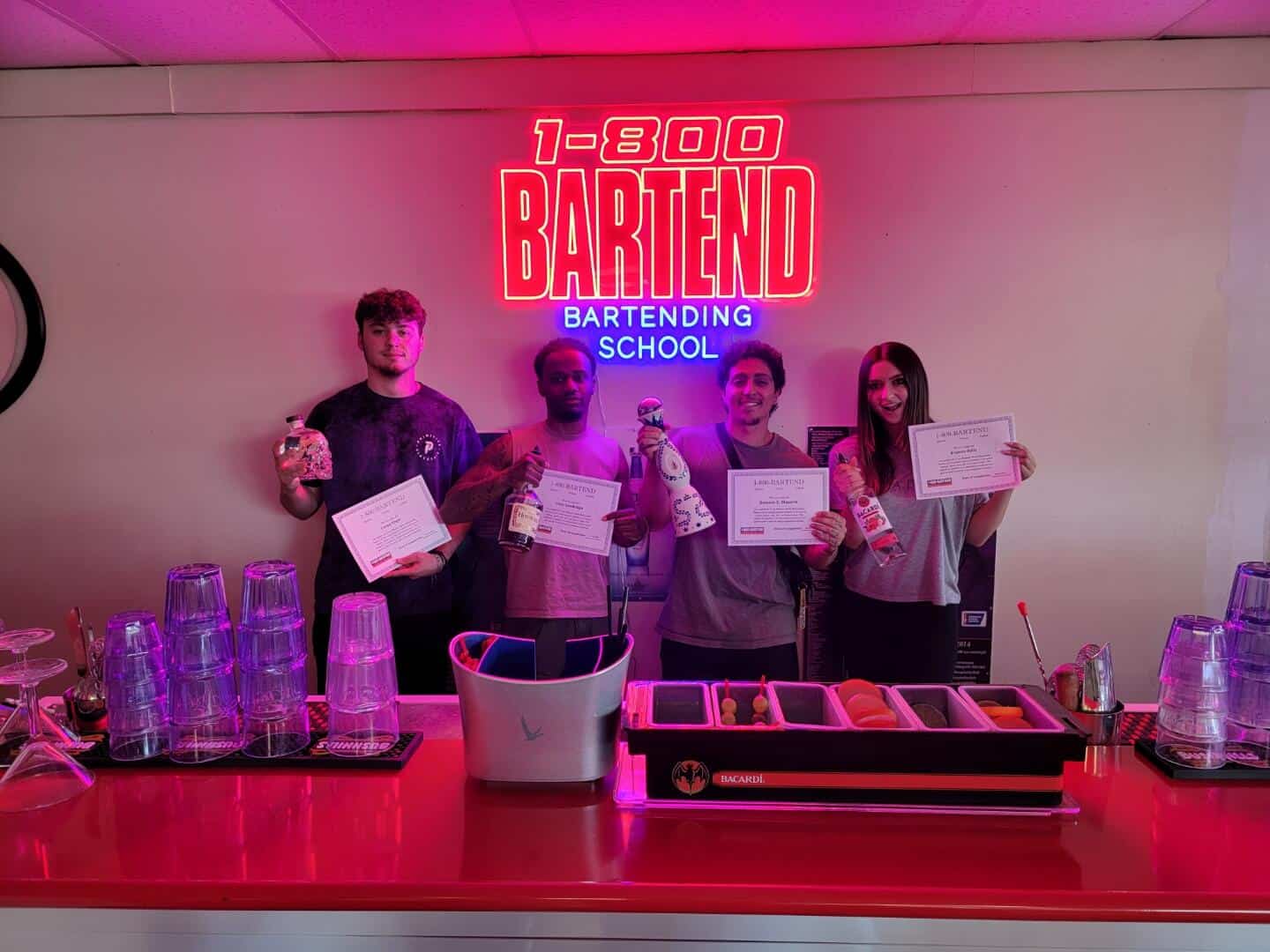
Forget watching videos and hoping you get it right. Real flair bartending training puts you behind an actual bar setup with the equipment you’ll use at work. You’ll practice with commercial soda guns, professional glassware, actual bottles (starting empty, then adding liquid as you improve), and the same cocktail shakers you’ll find in any Nassau County bar.
This hands-on approach matters because flair bartending is about muscle memory and spatial awareness. You need to know exactly how a half-full bottle moves differently than an empty one. You need to feel the weight distribution of a tin when it’s packed with ice versus when it’s empty. And you need to practice these moves enough times that they become automatic—so when you’re three-deep at the bar on a Saturday night, you can still add flair without thinking about it.
Safety is built into the training from day one. You’ll learn proper grip techniques that prevent bottles from slipping. You’ll understand which moves are appropriate for different bottle sizes and liquid levels. And you’ll master the fundamentals before attempting anything risky. The goal isn’t just to look impressive—it’s to perform consistently without breaking bottles, spilling drinks, or creating hazards for yourself or guests.
At our Nassau County location, this practical training includes real bar scenarios. You’re not just flipping bottles in isolation—you’re learning how to integrate flair into actual drink-making workflows. That means practicing while using cash registers, managing multiple orders, and maintaining the pace that employers expect. By the time you complete training, the flair techniques feel like natural extensions of regular bartending, not separate party tricks you have to stop and think about.
Working Flair vs Exhibition Flair: Understanding the Difference
Here’s something most people don’t realize: there are two completely different approaches to flair bartending, and understanding the distinction changes how you train and where you can work.
Working flair is what you use during actual bar shifts. These are quick, precise movements that add visual interest without slowing down service. Think smooth bottle flips that transition directly into pours, stylish tin catches, or synchronized multi-drink preparations. The key principle: working flair shouldn’t take any longer than a regular bartender would need to make the same drink. You’re adding entertainment value without sacrificing speed or efficiency. Working flair uses whatever bottles you have behind the bar, regardless of size or how full they are, because you’re working with real inventory during real service.
Exhibition flair is an entirely different animal. This is competition-level performance bartending with higher-risk moves, extended routines, and choreographed sequences. Exhibition bartenders typically use 750ml bottles with less than a quarter of liquid inside, allowing them to spin (not just flip) bottles through the air. These performances might include juggling three or more bottles simultaneously, elaborate behind-the-back sequences, fire techniques, or balancing stunts. Exhibition flair is impressive to watch, but it’s designed for shows, competitions, and entertainment venues where the performance itself is the product—not just a bonus while making drinks.
Most bartenders start with working flair because it’s immediately useful. You can learn a few solid moves and start using them during your next shift, immediately increasing guest engagement and tips. As you get comfortable, you can layer in more advanced techniques or transition toward exhibition flair if you’re interested in competitions or performance-focused venues.
The practical difference matters for your career path. If you’re targeting regular bars, restaurants, or even upscale cocktail lounges in Nassau County, working flair is what you need. If you’re aiming for cruise ship entertainment positions, Las Vegas show bars, or competition circuits, you’ll want to develop exhibition flair skills. A comprehensive flair bartending course teaches both, giving you flexibility to choose your direction based on where opportunities emerge.
Integrating Cocktail Mixology With Performance Bartending
Flair without substance doesn’t cut it anymore. The bartenders commanding top positions and premium wages know how to combine entertainment skills with serious cocktail knowledge. That means understanding flavor profiles, mastering classic recipes, and knowing how to build balanced drinks—all while adding visual flair that keeps guests engaged.
Modern mixology training covers the science behind great cocktails: how different spirits interact, why certain ingredients balance each other, and how technique affects the final product. When you integrate this knowledge with flair skills, you become the complete package—someone who can entertain a crowd while delivering drinks that actually taste exceptional. That combination is what separates bartenders who get hired for cruise ship positions or high-end venues from those who stay stuck in entry-level gigs.

Building Drinks With Style and Precision
The intersection of mixology and flair is where the magic happens. You’re not just flipping bottles for show—you’re using those techniques to build actual drinks with precision and speed. A skilled flair bartender can juggle bottle transitions while measuring exact pours, add flair to the shaking process while properly aerating the cocktail, and create visual interest during the straining and serving process.
This requires understanding both the entertainment aspect and the technical fundamentals. You need to know that a proper Margarita requires specific ratios of tequila, lime, and orange liqueur—and you need to be able to execute those measurements while incorporating bottle flips, stylish pours, or synchronized tin work. The flair enhances the experience; it doesn’t replace proper technique.
Training programs that integrate both elements teach you how to maintain drink quality while adding performance value. You’ll learn which flair moves work best for different cocktail styles. A stirred cocktail like a Manhattan creates opportunities for different flair than a shaken Cosmopolitan. Long pours work beautifully for highballs but aren’t appropriate for precise spirit-forward cocktails. Understanding these nuances makes you a smarter, more versatile bartender.
Nassau County’s bar scene includes everything from casual beach bars to upscale cocktail lounges. The ability to adjust your flair level based on the venue and clientele makes you more employable across different establishment types. At a high-volume sports bar, you might focus on quick, crowd-pleasing working flair. At a craft cocktail lounge, you’d dial back the theatrics and focus on precise, elegant movements that complement the sophisticated drink program. Having both skill sets means you’re never limited to one type of venue.
Advanced Mixology Training for Well-Rounded Bartenders
Once you’ve mastered basic flair techniques and fundamental cocktail knowledge, advanced mixology training takes your skills to the next level. This is where you learn to create your own recipes, understand ingredient sourcing, develop signature drinks, and think like a beverage director rather than just someone following recipes.
Advanced training covers topics like seasonal ingredient selection, flavor pairing theory, batch cocktail preparation for events, and menu development. You’ll learn how different glassware affects perception and presentation. You’ll understand the chemistry behind clarification techniques, infusions, and molecular mixology applications. And you’ll develop the confidence to improvise when a guest requests something off-menu or when you need to substitute ingredients based on availability.
This level of knowledge combined with flair skills positions you for career advancement beyond bartending. You could move into bar management roles where you’re designing drink programs and training staff. You might consult for new venue openings, helping establish bar concepts and cocktail menus. Some bartenders with strong mixology and flair backgrounds transition into brand ambassador roles for spirits companies, traveling to events and educating other bartenders.
The training also prepares you for competition circuits if that interests you. Bartending competitions often judge both technical mixology skills and presentation flair. Contestants who can demonstrate deep ingredient knowledge while executing flawless flair routines consistently score higher than those who excel in only one area. Even if you never compete, having competition-level skills makes you more valuable to employers who want bartenders capable of representing their brand at industry events.
For Nassau County bartenders, this combination of skills creates opportunities beyond the local market. You might work seasonal positions at high-end Hamptons venues during summer months, leverage your skills for private event bartending at premium rates, or use your expertise to build a personal brand through social media and teaching opportunities. The more complete your skillset, the more ways you can monetize your knowledge and experience.
Taking the Next Step in Your Bartending Career
Flair bartending isn’t just about looking cool behind the bar—it’s about opening doors that stay closed to bartenders with only basic skills. Whether you’re aiming for cruise ship positions, entertainment venues, high-end cocktail programs, or just want to increase your tips at your current job, flair training gives you a competitive advantage in a crowded market.
The key is finding training that combines real hands-on practice with comprehensive mixology education. You need to learn both working flair that you can use immediately and exhibition techniques that qualify you for premium opportunities. And you need certification that employers actually recognize, like NY State ATAP, so you’re not just skilled—you’re officially credentialed.
If you’re serious about advancing your bartending career in Nassau County or beyond, we offer the comprehensive training, real bar equipment practice, and industry connections that actually lead to job placements. The investment in proper training pays off quickly when you’re earning higher tips, accessing better opportunities, and building a career instead of just working shifts.