

Summary:
What Suffolk County Employers Really Want in Bartenders
The bartending job market in Suffolk County is surprisingly active, with dozens of positions available at any given time. But here’s what most people don’t realize: the best opportunities rarely make it to the major job boards.
Employers here prioritize certification and reliability over flashy resume bullet points. They want bartenders who understand liability, can handle high-volume service, and won’t create problems. The establishments that pay the most—upscale restaurants, event venues, and established bars—specifically seek candidates with proper training and certification.
Why ATAP Certification Opens Doors Other Applicants Can't Access
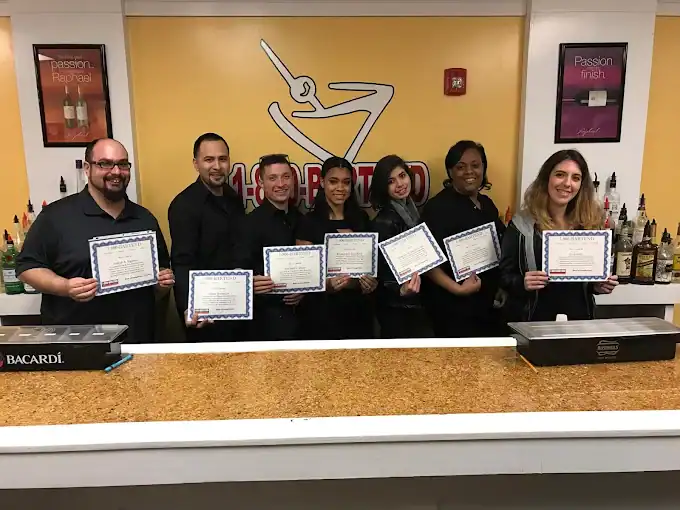
New York’s Alcohol Training Awareness Program (ATAP) certification isn’t just a nice-to-have—it’s become the unofficial entry requirement for quality positions in Suffolk County. Most employers now require it before you even step behind their bar, and there’s a solid business reason why.
When establishments hire certified bartenders, they get reduced penalties if alcohol-related violations occur. This means lower insurance costs and less liability exposure. For you, this translates into being the preferred candidate over someone without certification, even if they have more experience.
The certification process covers New York’s specific liquor laws, liability protection, and responsible service techniques. You’ll learn how to identify fake IDs, recognize signs of intoxication, and handle difficult situations professionally. These aren’t just theoretical concepts—they’re practical skills that employers see demonstrated in your work from day one.
But here’s the part most people miss: ATAP certification also signals to employers that you’re serious about bartending as a career, not just looking for temporary work. This perception alone can move you to the top of their candidate list, especially for positions that offer advancement opportunities or higher-end clientele.
The Real Salary Picture: What You Can Actually Expect to Earn
Let’s talk numbers, because the salary information you’ll find online doesn’t tell the complete story. The average hourly wage for bartenders in Suffolk County ranges from about $16-20 per hour, but that base pay is only part of your income equation.
Tips change everything. A skilled bartender at a busy restaurant or upscale venue can easily earn $200+ per night in tips alone. This means your actual daily earnings might hit $300-400 during peak periods. Weekend shifts, special events, and holiday periods can push those numbers even higher.
Certified bartenders consistently out-earn their uncertified counterparts by 15-25%. This isn’t just because they get better positions—it’s because they understand upselling techniques, wine pairings, and premium service that generates higher tips. When you can confidently recommend a $15 cocktail instead of a $8 beer, both you and the establishment benefit.
Location within Suffolk County matters too. Establishments in areas like Huntington, Babylon, and the Hamptons typically offer higher earning potential than smaller towns. But don’t overlook the steady income potential of neighborhood spots—regular customers who know and trust you often tip more consistently than tourists.
The key is positioning yourself for the roles that offer both good base pay and strong tip potential, which brings us back to certification and proper training.
How to Find the Hidden Job Market in Suffolk County
The best bartending jobs in Suffolk County aren’t posted on Indeed or Craigslist. They’re filled through industry connections, word-of-mouth referrals, and direct relationships between employers and training programs.
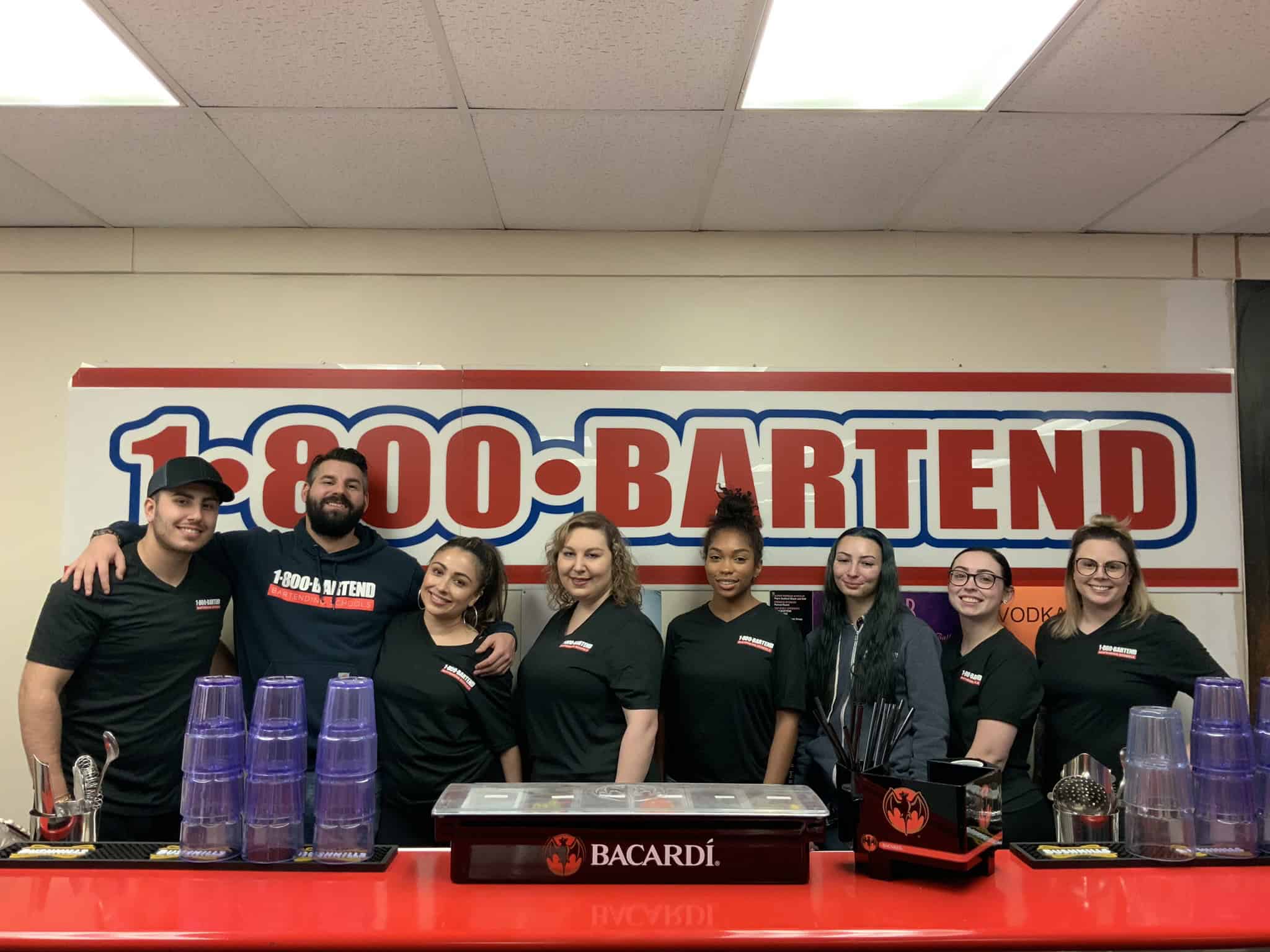
This is where having the right training background becomes crucial. Established bartending schools maintain ongoing relationships with local employers who call them first when they need reliable staff. These employers know that graduates from reputable programs come with both the skills and the professional attitude they’re looking for.
Networking Strategies That Actually Work for Bartenders
Building industry connections in Suffolk County starts with understanding how the local hospitality community operates. Restaurant managers, bar owners, and event coordinators all know each other. When they need to hire quickly—which happens often in this business—they ask their network for recommendations.
Start by identifying the establishments where you actually want to work, then find ways to connect with their staff during slower periods. Tuesday through Thursday afternoons are typically good times to visit and have genuine conversations. Don’t just drop off a resume—engage with the current bartenders and managers about their experiences and challenges.
Consider working part-time or doing trial shifts at different venues to build your reputation. Many of the best full-time positions go to people who’ve already proven themselves as reliable fill-ins or part-time staff. This approach also lets you evaluate different work environments before committing to a full-time role.
Event staffing is another excellent way to build connections while earning money. Suffolk County has a robust wedding and corporate event scene, and catering companies are always looking for skilled bartenders. These gigs pay well, expand your network, and often lead to permanent opportunities at venues or with event planning companies.
The Application Process: What Sets Successful Candidates Apart
Your resume matters, but not in the way you might think. Suffolk County employers care more about reliability, availability, and attitude than an extensive work history. If you’re new to bartending, focus on customer service experience, ability to work under pressure, and willingness to learn.
Be specific about your availability and realistic about your schedule constraints. Employers would rather hire someone who can consistently work Thursday through Sunday than someone who claims full availability but constantly requests time off. Weekend availability is particularly valuable, as this is when most establishments generate their highest revenue.
During interviews, demonstrate your knowledge of basic cocktails and wine service, but don’t oversell skills you don’t actually have. Employers can quickly identify candidates who exaggerate their experience, and honesty about your current skill level while showing enthusiasm to learn is usually more effective.
Prepare questions about their training process, advancement opportunities, and what they consider their biggest operational challenges. This shows you’re thinking about how to contribute to their success, not just what you can get from the job. Employers remember candidates who demonstrate genuine interest in their specific business needs.
Follow up appropriately after interviews, but understand that hiring decisions in this industry often happen quickly based on immediate needs rather than lengthy evaluation processes.
Your Next Steps to Landing a Quality Bartending Position
The Suffolk County bartending market rewards preparation, professionalism, and the right credentials. Start with proper certification—it’s not optional if you want access to the better opportunities. Invest in quality training that includes both technical skills and industry connections.
Build your network strategically by connecting with established venues and industry professionals. Be patient with the process but persistent in your efforts. The best positions often take time to materialize, but they’re worth the wait.
Remember that your first bartending job doesn’t have to be your last. Use each opportunity to build skills, expand your network, and position yourself for advancement. With the right approach and proper training, you can build a rewarding career in Suffolk County’s vibrant hospitality scene. We can provide the foundation you need to get started with confidence and industry recognition.