Summary:
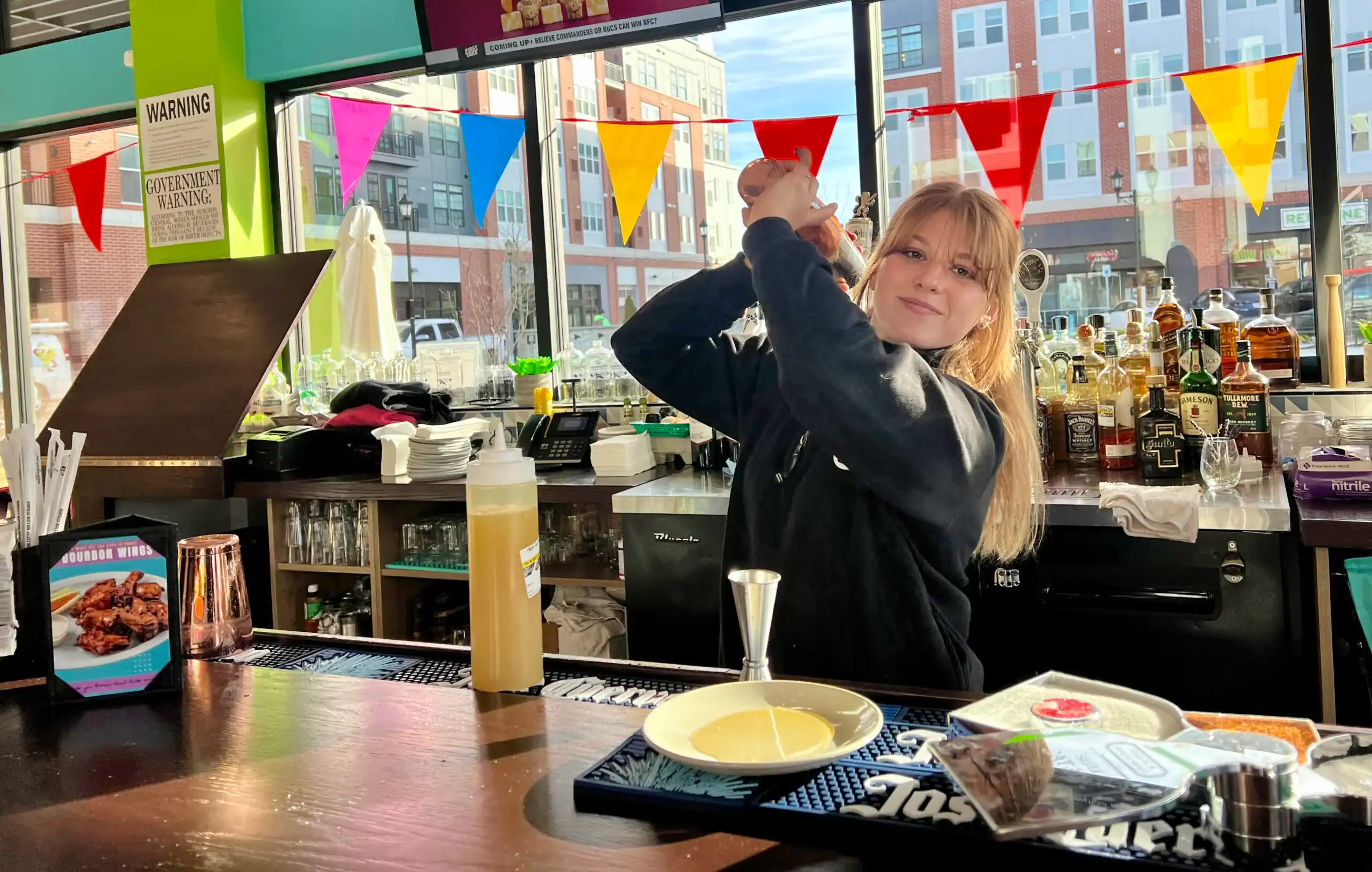
You’ve probably already found them—hundreds of YouTube videos showing you how to muddle a mojito, shake a martini, or free-pour like a pro. All free. All accessible from your couch. And if you’re exploring whether you can learn bartending online free, the answer isn’t a simple yes or no. You can absolutely learn drink recipes, techniques, and bar terminology without spending a dime. But here’s what those videos won’t tell you: there’s a massive difference between knowing how to make drinks and being ready to work behind a real bar during Friday night rush. Let’s talk about what free resources actually teach you, what they can’t replicate, and what that means if you’re serious about bartending in Nassau County, NY.
What You Actually Learn from Free Bartending Resources
Free bartending content has exploded over the past decade. Platforms like YouTube, blogs, and free online courses offer legitimate value if you know what you’re getting. You’ll find step-by-step tutorials on classic cocktails, explanations of different spirits and liqueurs, garnishing techniques, and even some flair bartending tricks.
These resources excel at building your foundational knowledge. You can memorize dozens of drink recipes, understand the difference between shaking and stirring, and learn industry terminology like “neat,” “on the rocks,” or “muddling.” Some free courses even cover customer service basics and responsible alcohol service concepts.
The accessibility is unmatched. You can pause, rewind, and rewatch demonstrations until you’ve got the movements down. You’re learning on your schedule, at your own pace, without any financial commitment. For someone testing the waters or building baseline knowledge, free resources provide real value.
Free Bartending Resources: Where They Actually Help
Let’s be clear about what works. If you’re using YouTube tutorials and free bartending courses to build your knowledge base, you’re making a smart move. These resources teach you the theory behind bartending—the recipes, the techniques, the vocabulary that helps you speak the language of the industry.
You’ll learn how to properly hold a shaker, the standard measurements for common drinks, and the basic setup of a bar. You can study different types of whiskey, understand wine regions, and memorize the ingredients in dozens of classic cocktails. This knowledge isn’t worthless. It’s actually essential.
Free content also helps you determine if bartending interests you enough to pursue it seriously. You’re not dropping $500 on bartending school before you’ve even mixed your first drink. You can experiment at home, practice techniques with basic tools, and get a feel for whether this career path excites you.
The best free resources come from experienced bartenders sharing genuine insights. You’ll find videos on customer interaction, tips for increasing your earnings, and real talk about what the job actually involves. This perspective helps you understand the lifestyle, the hours, and the reality of working in hospitality.
But here’s where the conversation shifts. Because while free resources teach you about bartending, they fundamentally cannot teach you how to bartend. The gap between those two things is exactly what determines whether you’ll actually get hired.
The Equipment Problem Nobody Talks About
You can watch a hundred videos on how to use a soda gun, but you’ve never actually used one. You can memorize POS system basics, but you’ve never processed a real transaction during a rush. You can study draft beer pouring techniques, but you’ve never changed a keg or adjusted CO2 pressure.
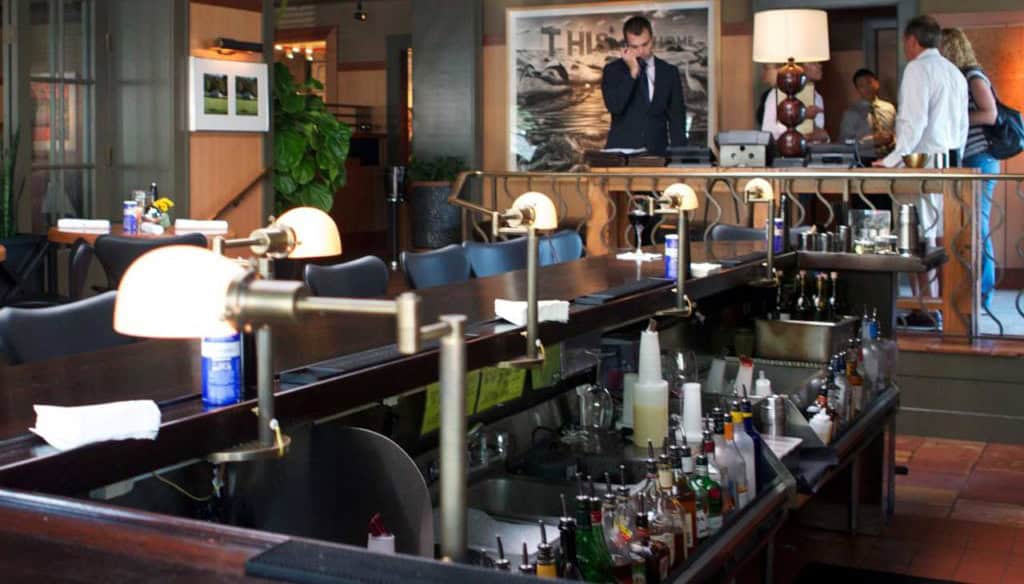
This is the fundamental limitation of learning bartending online free. The equipment you’ll use every single shift as a professional bartender doesn’t exist in your home. Commercial soda guns, speed rails, ice wells, three-compartment sinks, glass washers, draft systems with multiple taps, and professional-grade POS systems aren’t something you can practice with while watching YouTube.
When a bar manager in Nassau County interviews you, they’re not just wondering if you know what goes in a Manhattan. They’re wondering if you can make five different drinks simultaneously while taking new orders, processing payments, and keeping your workspace organized. They’re wondering if you’ve ever worked with the actual tools you’ll use every shift.
The reality is stark. A bartender who’s completed hands-on training with real equipment walks into an interview with tangible experience. They’ve used soda guns, worked behind actual bars, practiced with commercial equipment, and developed muscle memory for the physical aspects of the job. Someone who learned online has theoretical knowledge but zero practical experience with the tools that define the profession.
This gap doesn’t make free learning worthless, but it does mean you’ll face a steeper learning curve when you do land your first position. You’ll be learning equipment operation, workspace organization, and physical efficiency on the job—while also trying to prove you belong there. It’s not impossible, but it’s definitely harder.
Bartending YouTube Tutorials vs Professional Training: The Speed Factor
Here’s what separates hobbyists from professionals: speed. You can make a perfect Old Fashioned at home in three minutes while following a video tutorial. That’s great. But during Saturday night service at a Nassau County restaurant, you need to make that same drink in 45 seconds while simultaneously taking two new orders, running a credit card, and keeping track of four other drinks you’re building.
YouTube tutorials teach you how to make drinks. Professional training teaches you how to make drinks fast, accurately, and under pressure. That distinction is everything when it comes to employment.
Bar managers consistently say the same thing: speed and efficiency matter more than knowing 200 recipes. They’d rather hire someone who can competently make 20 drinks quickly than someone who knows 100 drinks but takes forever to execute.
Why Employers Care About Speed Training
Walk into any busy bar during peak hours and you’ll immediately understand why speed matters. Customers are waiting. Servers are backing up with drink orders. Every second counts. This environment cannot be replicated by watching videos at home.
Professional bartending training programs drill speed into your muscle memory. You practice making multiple drinks simultaneously. You learn how to organize your workspace for maximum efficiency. You develop the ability to multitask while maintaining accuracy. This isn’t about rushing—it’s about developing systems that allow you to work quickly without sacrificing quality.
Nassau County employers specifically mention this in job postings. “High-volume environment experience preferred.” “Must be able to work efficiently during rush periods.” “Fast-paced service required.” These aren’t just buzzwords. They’re telling you exactly what they need, and it’s something free online resources fundamentally cannot provide.
Research from Local Bartending School’s 2025 study of over 1,200 graduates found that speed and efficiency were the top skills employers looked for—yet also the areas where training programs needed the most improvement. Even formal programs struggle to adequately prepare students for real-world pace. Free online learning doesn’t even attempt it.
When you’re learning bartending online free, you control the pace entirely. You can pause the video, take your time, and perfect each drink without pressure. That’s actually a disadvantage when it comes to employment readiness. You never develop the stress tolerance, the multitasking ability, or the rapid decision-making skills that define professional bartending.
Professional Bartending Training: What the Investment Actually Buys
Let’s talk about what separates free learning from professional training. It’s not just about the money—it’s about what that investment provides that you literally cannot get any other way.
We offer hands-on training with real bar equipment. You’re not watching someone use a soda gun; you’re actually using one. You’re not reading about POS systems; you’re processing transactions. You’re not studying draft beer theory; you’re pulling pints and changing kegs. This practical experience is irreplaceable.
The structure matters too. Our comprehensive program covers New York State A.T.A.P. certification, Alcohol Beverage Control Law, and B.A.R. training. These aren’t optional extras—they’re legal requirements and professional standards that serious employers expect. Many Nassau County bars prefer or require ATAP certification, and you’re not getting that from YouTube.
Speed training is built into our professional program. You practice making multiple drinks simultaneously under time pressure. You develop the muscle memory and organizational systems that allow you to work efficiently during rush periods. You learn how to stay calm when you’re slammed, how to prioritize orders, and how to maintain quality when you’re moving fast.
The networking and job placement support can’t be overstated. As New York’s largest bartending school with over 30 years of experience, we maintain relationships with bars, restaurants, and hotels throughout Nassau County. We receive job inquiries directly from employers. We can connect you with opportunities immediately after graduation. This insider access is worth more than the tuition for many graduates.
Perhaps most importantly, you get immediate feedback and correction. Our experienced instructors watch you work and identify problems you’d never catch on your own. Your pour is slightly off. Your workspace organization is inefficient. Your technique needs adjustment. These corrections happen in real-time, preventing you from developing bad habits that would hurt you later.
Our five-day intensive program provides certification, hands-on experience, legal training, speed development, job placement support, and lifetime refresher courses. Compare that to months of piecing together YouTube videos with no feedback, no certification, and no employer connections. The value proposition becomes clear.
Making the Right Choice for Your Bartending Career
You absolutely can learn bartending online free and use that knowledge as a foundation. Free resources teach you recipes, techniques, and industry basics that help you understand the profession. But if you’re serious about getting hired in Nassau County’s competitive bar scene, you need to understand what free learning cannot provide.
Employers want speed, equipment proficiency, and legal certification. They want bartenders who can handle Friday night rush, work with commercial systems, and demonstrate responsible alcohol service. Free online resources don’t develop these skills. Professional training does.
The smartest approach might be combining both. Use free resources to build your knowledge and confirm your interest. Then invest in professional training to develop the practical skills, legal certification, and employer connections that actually get you hired. If you’re ready to take that next step, we offer the hands-on training, comprehensive certification, and career support that turns bartending knowledge into a bartending career.