Summary:
You’ve heard Queens is where the opportunities are. Maybe you’ve walked past the packed lounges on Steinway Street or noticed the new restaurants popping up in Long Island City. You’re wondering if bartending in Queens is actually worth pursuing—and whether you’d even know where to start.
Here’s the reality: Queens has one of the most active bartending job markets in New York, with hundreds of open positions at any given time. But the neighborhoods are different, the venues vary wildly, and employers are looking for specific skills and credentials. If you know what you’re walking into, you’re already ahead of most applicants. This guide walks you through what bartender jobs Queens actually offers, where the best opportunities are, and what it takes to get hired.
Understanding the Queens Bartending Job Market
Queens isn’t just one market. It’s a collection of distinct neighborhoods, each with its own vibe, clientele, and venue types. What works in Astoria doesn’t always translate to Flushing or Jamaica. Understanding these differences helps you target the right opportunities instead of applying blindly.
The numbers tell part of the story. There are over 350 active bartender job postings in Queens at any given time, with positions ranging from dive bars and neighborhood pubs to upscale lounges and event spaces. Average hourly pay sits around $18 to $20 before tips, and daily tips can add another $150 to $250 depending on the venue and your skill level. That puts experienced bartenders in Queens well above $50,000 annually, with top performers in high-volume spots earning significantly more.
But pay isn’t the only draw. Queens offers something many other boroughs don’t: accessibility. Rent is lower than Manhattan or Brooklyn, commutes are manageable, and the restaurant and bar scene is growing faster than almost anywhere else in the city. Employers are actively hiring, and they’re willing to train the right candidates—especially if you come in with the right certifications and a willingness to learn the neighborhoods.
Bartending Jobs Astoria: Cultural Venues and Nightlife Opportunities
Astoria has earned its reputation as one of Queens’ top neighborhoods for bartenders. It’s not just about quantity, though there are plenty of jobs. It’s about variety. You’ll find Greek tavernas, Latin dance clubs, Middle Eastern hookah lounges, craft cocktail bars, and everything in between. The neighborhood attracts a young, social crowd that goes out multiple nights a week, which means consistent volume and better tips.
Steinway Street is the heart of Astoria’s nightlife scene. This strip is packed with lounges offering bottle service, VIP sections, and late-night crowds that keep bartenders busy well past midnight. If you’re comfortable working in high-energy environments with diverse clientele, Astoria’s lounges can be some of the most lucrative spots in Queens. Bartenders working Steinway Street venues often earn higher than the borough average, with weekend shifts pulling in $250 to $400 in tips on top of hourly pay. These venues prioritize bartenders who can move fast, handle cash accurately, and engage with guests in multiple languages.
But Astoria isn’t just about the club scene. Ditmars Boulevard and Broadway are home to neighborhood bars and restaurants where regulars make up a significant portion of business. These spots value consistency, personality, and the ability to remember orders and faces. Tips might be slightly lower than the high-volume lounges, but the work is steadier, the hours are more predictable, and you’re less likely to deal with the chaos of weekend bottle service rushes. For bartenders who prefer building relationships over chasing volume, these neighborhood spots offer a different kind of reward.
One thing to note: many Astoria venues prefer or require New York State A.T.A.P. certification. It’s not legally mandated across the board, but employers use it as a screening tool. Having your certification before you apply makes you a significantly more attractive candidate, especially in a competitive neighborhood where dozens of people might be applying for the same position.
Long Island City Bartender Positions: Growing Market Analysis
Long Island City has transformed over the past decade from an industrial area into one of Queens’ hottest neighborhoods. New residential towers, corporate offices, and upscale dining options have created a bartending market that didn’t exist ten years ago. If you’re looking for modern venues, professional environments, and clientele with disposable income, LIC should be on your radar.
The bartending jobs in Long Island City tend to skew toward restaurants and hotel bars rather than nightclubs. You’ll find rooftop lounges with skyline views, farm-to-table restaurants with craft cocktail programs, and boutique hotels catering to business travelers. These venues prioritize bartenders who understand mixology , can make recommendations, and deliver a polished guest experience. It’s less about speed and volume, more about precision and hospitality.
Salary expectations in Long Island City are competitive with Astoria, but the work environment is often quieter and more structured. Shifts might end earlier, weekends might be less chaotic, and you’re more likely to interact with professionals unwinding after work rather than party crowds. That appeals to bartenders who want consistent income without the intensity of high-volume nightlife.
Transportation is another advantage. Long Island City is a major transit hub with multiple subway lines and easy access to Manhattan, Brooklyn, and the rest of Queens. That makes it an attractive place to work even if you don’t live nearby. Employers know this, which is why job postings in LIC often attract applicants from across the city. Standing out means having your certifications in order, a clean resume, and ideally some experience in upscale or hotel environments.
One trend worth noting: LIC venues are increasingly hiring bartenders with food service experience. Many restaurants in the neighborhood operate with a service bar model, where bartenders make drinks for the dining room in addition to serving bar guests. If you’ve worked as a server or have experience coordinating with kitchen staff, that’s a selling point in Long Island City.
Queens Restaurant Jobs: Diverse Hospitality Landscape
Bartending in Queens isn’t limited to bars and lounges. The restaurant scene is massive, diverse, and constantly hiring. From family-owned ethnic restaurants in Jackson Heights to upscale dining rooms in Forest Hills, bartenders are needed across the borough. Restaurant bartending comes with its own set of expectations, challenges, and benefits.
In many Queens restaurants, the bartender is also the face of the bar area. You’re making drinks for servers, taking orders from bar guests, and sometimes helping with food service during busy shifts. It’s a hybrid role that requires multitasking, communication, and the ability to stay organized when tickets start piling up. The upside is that restaurant bartending jobs tend to offer more stability than pure nightlife positions. You’re working scheduled shifts, often with benefits, and you’re less dependent on the unpredictability of weekend crowds.
Pay structures vary. Some restaurants pay bartenders a higher hourly wage with lower tip expectations, while others operate on a traditional tipped model. It’s worth asking during the interview how tips are pooled or distributed, especially in restaurants where servers and bartenders share a tip pool. Understanding the compensation structure upfront helps you evaluate whether a position is actually worth your time.

What Queens Employers Are Actually Looking For
Employers across Queens are dealing with the same challenge: finding bartenders who can actually do the job. It’s not enough to know how to pour a drink. They need people who show up on time, handle cash accurately, manage difficult customers, and stay calm during rushes. Those basics matter more than most applicants realize.
Certification is the first filter. Most Queens bars and restaurants require or strongly prefer candidates with New York State A.T.A.P. certification. This isn’t just a formality. A.T.A.P. training covers responsible alcohol service, ID checking, and legal liability—topics that protect both you and the employer. Venues that serve alcohol carry significant insurance costs, and having certified staff can reduce those premiums. When an employer sees A.T.A.P. certification on your resume, they know you understand the legal side of bartending and you’re less of a liability risk.
Experience matters, but it’s not always a dealbreaker. Many Queens venues are willing to train bartenders who demonstrate the right attitude and foundational skills. What they won’t train is work ethic, reliability, or customer service instincts. If you’re new to bartending, emphasize any hospitality experience you have—serving, hosting, retail, even customer-facing roles outside the industry. Employers want to know you can handle people, stay composed under pressure, and represent their business professionally.
Language skills are a huge advantage in Queens. The borough is home to residents from over 150 countries, and many neighborhoods are predominantly non-English speaking. If you’re bilingual or multilingual, mention it. Venues in areas like Elmhurst, Corona, or Flushing actively seek bartenders who can communicate with their core clientele in Spanish, Mandarin, Korean, or other languages. It’s not just a nice-to-have—it’s often the deciding factor between two otherwise equal candidates.
Finally, flexibility matters. Queens hospitality operates on nights, weekends, and holidays. Employers need bartenders who can work peak times, not just the convenient shifts. If you’re only available Tuesday and Wednesday afternoons, your options will be extremely limited. Being upfront about your availability and showing willingness to work the shifts that actually matter will open significantly more doors.
How to Break Into the Queens Bartending Scene
Breaking into bartending in Queens without experience or connections can feel like a catch-22. Employers want experience, but how do you get experience if no one will hire you? The answer is positioning yourself as someone who’s already invested in the career, not just testing the waters.
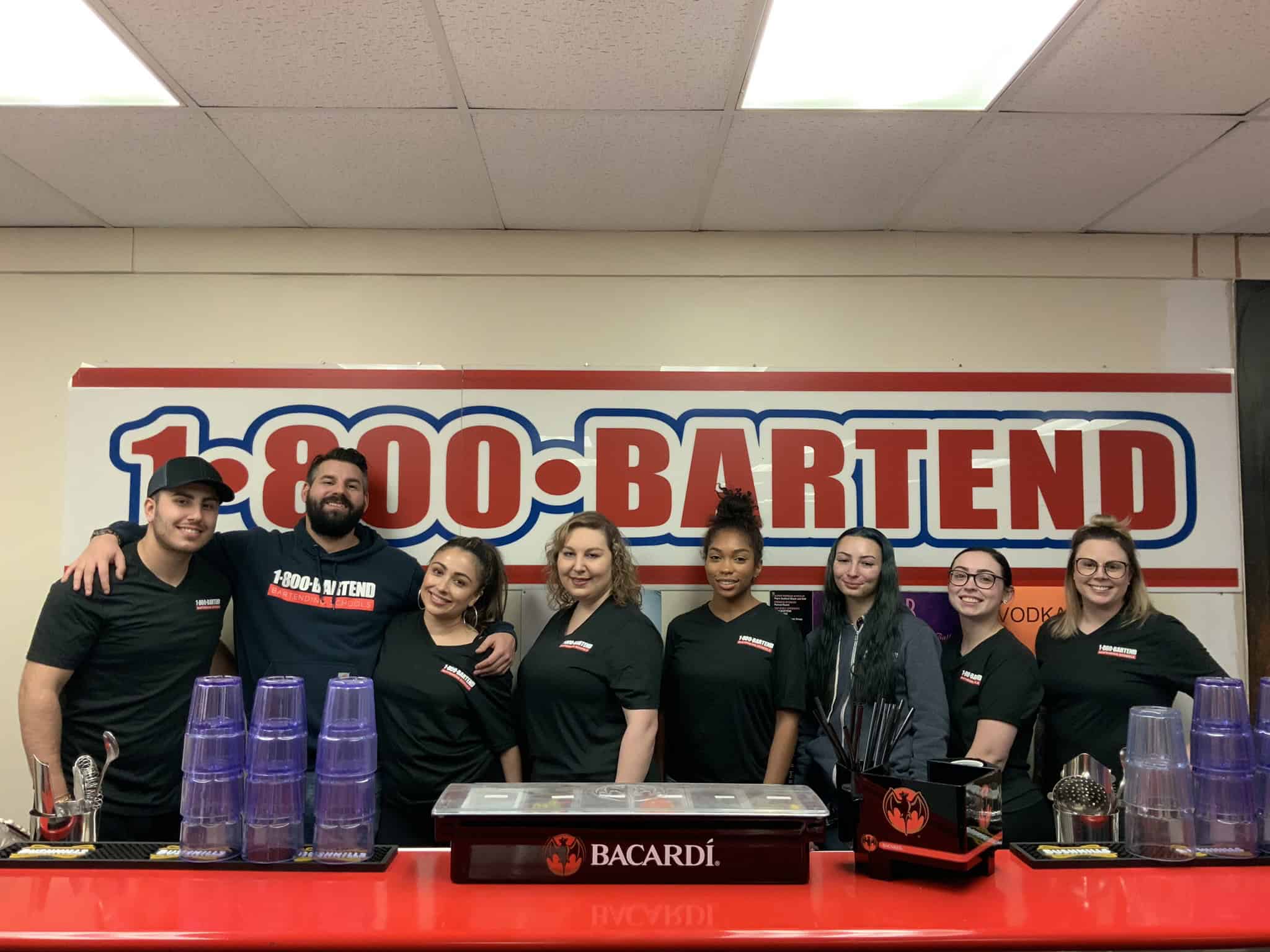
Start with certification. Getting your New York State A.T.A.P. certification is non-negotiable if you’re serious about bartending in Queens. It’s affordable, takes less than a week to complete through most programs, and immediately signals to employers that you’re committed. We offer hands-on training in real bar environments with actual equipment, which gives you practical skills to back up your certification. That combination—certification plus hands-on training—puts you ahead of applicants who only have one or the other.
Next, target the right venues. If you’re brand new to bartending, don’t start by applying to the busiest nightclub in Astoria. Look for neighborhood bars, smaller restaurants, or venues that explicitly mention training in their job postings. These spots are more likely to take a chance on someone without extensive experience, especially if you come in certified and eager to learn. Once you’ve built some experience, you can move to higher-volume, higher-paying venues.
Networking matters more than most people realize. Queens’ hospitality community is tighter than you’d think. Bartenders, managers, and owners talk. If you make a good impression at one venue, that reputation can lead to referrals and opportunities elsewhere. Show up for interviews prepared, ask smart questions, and follow up afterward. Even if you don’t get the job, staying on someone’s radar can pay off when the next position opens.
Finally, leverage job placement resources if they’re available. We offer our alumni a job portal and direct connections to hiring venues. If you train at a school with industry relationships in Queens, use them. Employers trust recommendations from schools they’ve worked with before, and you’ll get access to job openings that might not be publicly posted. It’s one of the fastest ways to go from certified to employed without spending months applying blindly online.
Getting Started with Bartender Jobs in Queens
Queens offers one of the most accessible, diverse bartending markets in New York. Whether you’re drawn to Astoria’s high-energy nightlife, Long Island City’s upscale restaurant scene, or the neighborhood bars scattered across the borough, opportunities are there for bartenders who come prepared. The key is understanding what employers actually need: certification, reliability, customer service skills, and a willingness to work the shifts that matter.
If you’re serious about breaking into bartending or advancing your career in Queens, start with the credentials employers recognize. Get your A.T.A.P. certification, train in a hands-on environment, and position yourself as someone who’s ready to work, not just looking for a paycheck. The market is active, the demand is real, and the right preparation makes all the difference.
Ready to get certified and connected? We offer fast-track training, New York State A.T.A.P. certification, and direct access to Queens-area employers through our alumni network. It’s how hundreds of bartenders have gone from zero experience to working bars across Queens in a matter of weeks.