
Summary:
Why Take a Bartending Course in Syosset, NY
Let’s get real about something. You could try learning bartending from YouTube videos or hoping someone gives you a shot without experience. But here’s what actually happens in the real world.
Most bar managers won’t hire someone straight off the street, even if you’ve watched every cocktail tutorial online. They need to know you understand responsible alcohol service, can handle the pressure, and won’t cost them their liquor license. That’s where our professional training makes the difference.
Our structured bartending course gives you something you can’t get from trial and error: credibility with employers and the confidence that comes from actually knowing what you’re doing behind the bar.
What You Actually Learn in Our Professional Bartending Classes
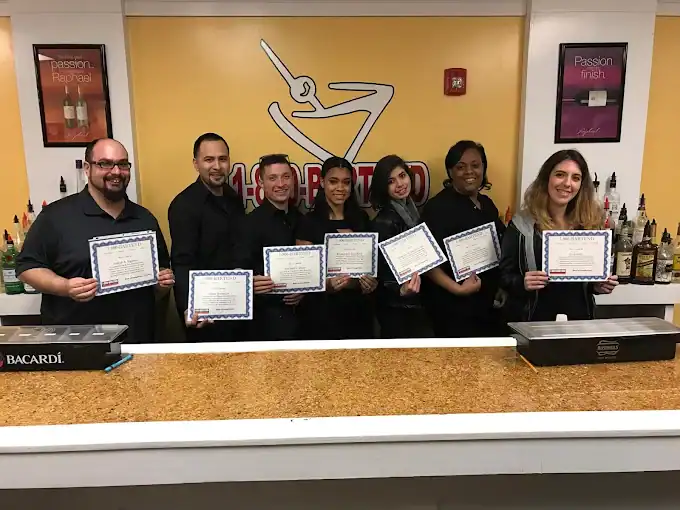
Our professional bartending training isn’t just about memorizing drink recipes—though you’ll master plenty of those. You’re learning a complete skill set that makes you valuable to employers and customers alike.
The hands-on component is where things get real. You’ll work with actual bar equipment, practice with real ingredients, and learn to move efficiently in a bar environment. This isn’t theory class. You’re building muscle memory for techniques like proper pouring, cocktail shaking, and managing multiple orders simultaneously.
But here’s what separates our professional training from DIY learning: you’ll understand the business side. Inventory management, cash handling, customer service psychology, and most importantly, alcohol laws and responsible service. These aren’t just nice-to-have skills—they’re requirements for getting hired and staying employed.
The legal component is especially crucial in New York. You’ll get your ATAP (Alcohol Training Awareness Program) certification, which many employers require before you can serve alcohol. This certification shows you understand New York’s liquor laws, can identify fake IDs, and know when and how to refuse service. It’s not just about covering the bar’s liability—it’s about protecting yourself legally.
The Real Career Opportunities in Nassau County
Nassau County’s hospitality scene offers more opportunities than most people realize. From upscale restaurants in Garden City to busy sports bars near the LIRR stations, there’s constant demand for skilled bartenders who can deliver both quality drinks and excellent service.
The money is real, too. Local bartenders in Long Island are averaging $23-29 per hour in base pay, plus tips that can add another $200 per day. On busy weekend shifts at popular venues, experienced bartenders regularly walk home with $300-400 in a single night. That’s not just beer-and-shot money—that’s craft cocktail and wine service expertise paying off.
Career advancement happens faster than in most industries. Start as a bartender, and within a year or two you could be managing the bar, training new staff, or even moving into beverage director roles at restaurant groups. Some bartenders leverage their experience into brand ambassador positions with liquor companies or open their own establishments.
The key is starting with proper training. Employers can spot the difference between someone who learned bartending professionally and someone who’s winging it. When you understand the fundamentals—from classic cocktails to modern mixology trends—you become the kind of employee that managers want to promote, not replace.
Getting Your New York Bartending License and Certification
Here’s something that confuses a lot of people: New York doesn’t actually require a “bartending license” to work as a bartender. But—and this is a big but—most employers absolutely require ATAP certification before they’ll let you serve alcohol.
ATAP stands for Alcohol Training Awareness Program, and it’s administered by the New York State Liquor Authority. This certification proves you understand responsible alcohol service, New York’s liquor laws, and how to handle difficult situations legally and safely.
Getting ATAP certified isn’t just about checking a box for employers. It’s about protecting yourself. If something goes wrong—a customer gets over-served, there’s an incident, or there are legal issues—having proper certification can be the difference between keeping your job and facing serious consequences.
What ATAP Certification Actually Covers
ATAP training goes deeper than most people expect. You’ll learn to identify fake identification cards, understand the legal blood alcohol limits, and recognize the signs of intoxication before they become problems. This isn’t just about following rules—it’s about developing the judgment that keeps everyone safe.
The program covers New York’s specific alcohol laws, including when you can and can’t serve, who you can serve, and what documentation you need to check. You’ll understand liability issues, both for yourself and your employer, and learn techniques for refusing service professionally without escalating situations.
One of the most valuable parts is learning to read customers and situations. How do you handle someone who’s had too much but isn’t causing trouble? What about groups where one person is clearly over the limit but their friends are pressuring you to keep serving? These real-world scenarios are exactly what our professional training prepares you for.
The certification is valid for three years, and many employers will pay for renewal training. More importantly, having ATAP certification can actually reduce penalties if there are ever legal issues, because it shows you were properly trained in responsible service practices.
How Fast You Can Actually Get Hired
The timeline from training to employment is shorter than most people expect, especially if you approach it strategically. Our professional bartending courses typically run one to two weeks, and you can often start interviewing before you even graduate.
Here’s the reality of the hiring process: restaurants and bars in Nassau County are constantly hiring. The hospitality industry has high turnover, which means there are always opportunities—but only for people who can demonstrate they’re serious and competent.
Having our professional training and ATAP certification immediately puts you in a different category than casual applicants. You’re not just someone who thinks bartending might be fun—you’re someone who invested time and money in learning the profession properly.
The best approach is starting your job search during training. Network with your instructors, who often have connections throughout the industry. We maintain job placement resources and can connect you directly with employers who are actively hiring. Some students get job offers before they finish their coursework.
Don’t expect to start at the top-tier cocktail lounges immediately. Most new bartenders begin at casual restaurants, sports bars, or chain establishments where you can build experience and confidence. But even entry-level bartending positions in Nassau County pay well, and the experience you gain quickly opens doors to better opportunities.
Making Your Decision About Bartending Training
The hospitality industry isn’t going anywhere, and skilled bartenders will always be in demand. But the difference between struggling to find work and having employers compete for you comes down to proper preparation.
Our professional bartending training gives you something you can’t fake: real competence and official certification that employers recognize and value. You’ll walk into interviews confident in your abilities and backed by credentials that prove you’re serious about the profession.
If you’re ready to invest in a career that offers flexibility, good money, and genuine growth opportunities, our professional bartending training in Syosset, NY can get you there faster than any other approach. The time to start is now—contact us to learn how our comprehensive program can launch your hospitality career.