
Summary:
Between Thanksgiving and New Year’s, Nassau County’s event landscape transforms completely. Corporate holiday parties fill calendars at country clubs and event venues across Long Island. Private celebrations multiply in Garden City, Great Neck, and throughout the North Shore. And the bartenders who know how to work these events—professionally trained, properly certified, comfortable with high-pressure service—suddenly have more opportunities than hours in the day.
This isn’t the neighborhood bar on a Tuesday. Holiday party bartending means upscale venues, demanding guests, and earning potential that can match or exceed what you’d make in weeks of regular shifts. But here’s what most people miss: the hiring window opens earlier than you think, the skills required go beyond basic drink-making, and the difference between getting booked and getting passed over often comes down to training you either have or don’t.
Holiday Party Season Peak Earning Opportunities for Bartenders
The numbers tell a clear story. While regular bartending shifts might net you $100-$200 on a good night, holiday party bartending operates in a different bracket entirely. Private events during peak season pay $300-$1,000 per event, with corporate functions and upscale private parties hitting the higher end of that range consistently.
Nassau County’s market reflects this premium. The concentration of corporate headquarters, affluent residential areas, and established event venues from Westbury to Roslyn creates steady demand for bartenders who can deliver polished service. You’re not just competing on price. You’re competing on presentation, speed, and the confidence that comes from actually knowing what you’re doing when 150 guests hit the bar simultaneously.
What makes holiday season different is volume and urgency. Companies book their holiday parties months in advance, but they’re hiring bartenders starting in October. By the time Thanksgiving hits, the best opportunities are already claimed by bartenders who showed up prepared—with training, certification, and the ability to handle what corporate clients actually need.

When Do Venues Start Hiring Holiday Party Bartenders
October is when smart bartenders start getting booked. Not November when everyone suddenly realizes the holidays are here. Not December when you’re competing against every bartender who waited too long. October.
Corporate event planners and private party hosts book venues and vendors months ahead. They’re finalizing their holiday party details in September and October, which means they’re hiring bartenders during that same window. The venues that pay premium rates—the corporate events at Long Island conference centers, the upscale private parties in Old Westbury estates, the multi-hundred-guest celebrations at waterfront venues—those fill their bartending rosters first.
By mid-November, you’re looking at whatever’s left. Maybe you pick up a few decent gigs. Maybe you’re working lower-paying events because the premium opportunities went to bartenders who understood timing. The holiday party season is short and intensely profitable, but only if you’re positioned correctly when it starts.
This is where professional training creates a tangible advantage. When you complete bartending certification in September or early October, you’re entering the market exactly when hiring peaks. You have credentials, you have skills, and you have access to job placement resources that connect you directly with venues and event planners who are actively booking. Timing your training to align with the hiring cycle isn’t just smart—it’s the difference between maximizing holiday earnings and scrambling for scraps.
The pattern repeats every year. Bartenders with professional training and proper certification get first access to premium opportunities. Self-taught bartenders or those without credentials get what’s left. And people who wait until November to think about holiday bartending watch from the sidelines while others work the events that actually pay.
Seasonal Bartender Jobs During Holiday Peak Months
Seasonal bartender jobs during November and December aren’t like summer resort work or wedding season gigs. The intensity is different. The expectations are higher. And the money reflects both.
Holiday parties concentrate into a six-week window. Every company wants their party between Thanksgiving and New Year’s. Every family hosting a celebration picks the same narrow timeframe. That compression creates opportunity if you can handle the pace. Some bartenders work five or six events per week during peak season, stacking income in ways that transform their entire financial year.
But here’s what the job actually looks like. You’re working events where guests arrive all at once, where everyone orders during the first 30 minutes, where the bar never stops moving for three solid hours. You’re managing signature cocktails the company specifically requested, handling guests who’ve never worked a bar line, maintaining professional composure when someone’s had too much. This isn’t pour-and-serve. It’s high-volume service that requires real skill.
Nassau County’s corporate market adds another layer. You’re serving executives, clients, and employees at company-sponsored events. Presentation matters. Speed matters. Your ability to read the room and adjust service style matters. Companies hiring for these events aren’t looking for someone who can mix drinks. They’re looking for someone who won’t embarrass them in front of their people.
The venues vary wildly. One night you’re working a country club with full bar infrastructure. The next you’re setting up in a corporate office space in Melville that’s been converted for the party. You need to adapt quickly, work with whatever equipment and space you’re given, and deliver the same professional service regardless of conditions. That adaptability—knowing how to make any setup work—comes from training, not from figuring it out on the fly while guests wait.
Seasonal bartender jobs also mean working the calendar strategically. Thanksgiving week is huge. The two weeks before Christmas are insane. New Year’s Eve is its own beast with premium rates and maximum demand. Smart bartenders block out these dates early, communicate availability clearly, and build relationships with event planners who book multiple parties throughout the season. One good connection can fill your entire December with high-paying work.
Corporate Event Bartender Professional Holiday Party Skills
Corporate event bartending isn’t neighborhood bar work with a dress code. The skill set is different. The pressure is different. And the clients have zero tolerance for bartenders who aren’t ready.
When a company books a bartender for their holiday party, they’re not just buying drink service. They’re buying insurance that their event won’t have bar-related problems. No long lines that frustrate guests. No visible chaos behind the bar. No service that makes the company look cheap or disorganized. You’re being hired to make them look good, which means you need to actually be good.
The professional standards start with speed and efficiency. Corporate events often have everyone arriving within a 15-minute window, all hitting the bar immediately. If you can’t handle that rush without backing up the line, you’re not ready for corporate work. High-volume service means knowing how to batch efficiently, anticipate orders, keep your workspace organized, and maintain pace without sacrificing quality.
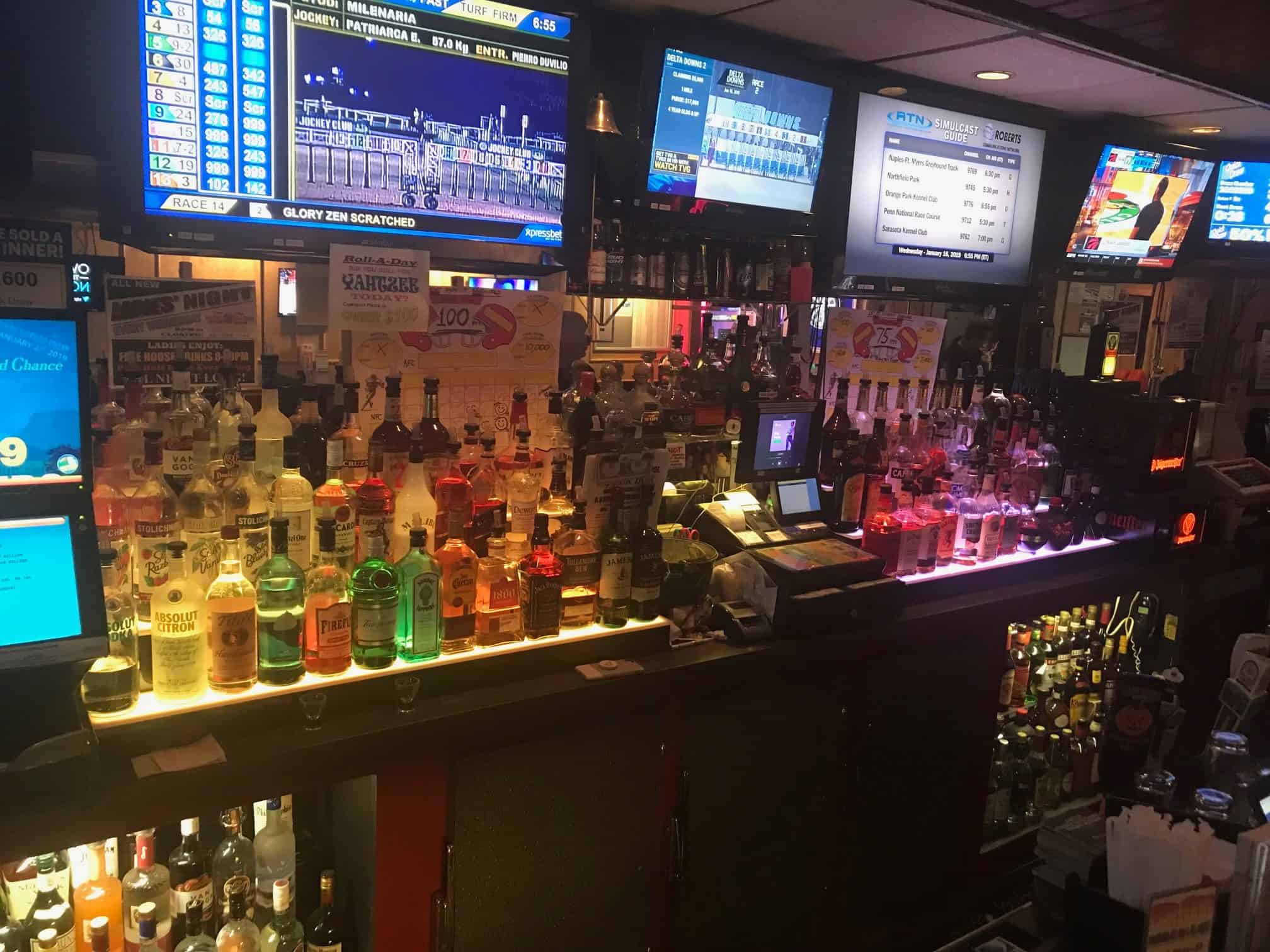
Essential Skills for Handling High-Volume Holiday Party Environments
High-volume holiday party service breaks bartenders who aren’t prepared. The pace is relentless. The stakes are high. And there’s no hiding when you’re the only thing standing between 200 guests and their drinks.
First, you need speed without sloppiness. That means knowing your recipes cold, organizing your bar setup for maximum efficiency, and moving through orders in a rhythm that keeps the line moving. Every wasted motion costs time. Every moment spent searching for a bottle or fumbling with a tool translates directly into longer wait times and frustrated guests. Professional training teaches you how to set up a bar that works, not just looks good.
Second, you need to read the room and adjust. Some corporate events want craft cocktails with elaborate garnishes. Others need beer and wine service that moves fast. Your job is to match service style to what the event actually needs, not what you think looks impressive. That judgment—knowing when to simplify the menu, when to suggest batched cocktails, when to add a second bartender—comes from experience and training that exposes you to different event types.
Third, you need professional composure under pressure. When the bar gets slammed and guests are three-deep waiting for drinks, you can’t show stress. You acknowledge people, you work efficiently, and you maintain the friendly professionalism that makes waiting feel shorter. Corporate clients are watching how you handle their guests. One bartender who loses composure or gets visibly overwhelmed can tank your reputation with that client permanently.
Fourth, you need responsible alcohol service skills. Holiday parties mean people drinking more than usual, in settings where they’re with coworkers or clients. You need to recognize when someone’s had enough, know how to handle that conversation professionally, and understand the liability you’re managing. This isn’t about being the fun police. It’s about protecting yourself, the host, and the guests from situations that can turn bad quickly.
The technical skills matter too. Knowing how to use different bar equipment, working with whatever glassware the venue provides, adapting recipes when you don’t have every ingredient you’d prefer. Holiday party bartending means showing up at venues with varying levels of bar infrastructure and making it work regardless. Sometimes you have a full professional setup. Sometimes you’re working with a folding table and a cooler. Your ability to deliver professional service in both situations is what separates trained bartenders from amateurs.
Holiday Bartending Tips for Excellence in High-Pressure Events
Excellence in holiday party bartending comes down to preparation, systems, and the confidence that you’ve done this before and know exactly what works.
Preparation starts before you arrive at the venue. Know the event details—guest count, drink menu, timing, venue layout. Arrive early enough to set up properly, not just on time. Your bar should be fully stocked, organized, and ready to serve before the first guest walks in. That buffer time isn’t optional. It’s what allows you to start strong instead of playing catch-up all night.
Your bar setup should follow a logic that supports speed. Most-used bottles within easy reach. Garnishes prepped and accessible. Ice positioned where you won’t cross your own workspace to reach it. Glassware staged in quantities that match expected volume. These details seem small, but they compound over hundreds of drinks. A well-organized bar might save you 10 seconds per drink, which adds up to hours over a full event.
Communication with the event host or planner matters more than most bartenders realize. Clarify expectations before service starts. Confirm the drink menu. Ask about any VIPs who might have specific preferences. Understand the event flow—is there a toast, a dinner service, specific timing you need to work around? These conversations take five minutes and prevent problems that can derail your entire night.
During service, work in batches when possible. If you have five orders for the same cocktail, make them together. Use the same motion, the same pour, the same garnish technique. Batching doesn’t mean sacrificing quality—it means working smart so you can maintain quality while serving more people faster. This is especially critical during the initial rush when everyone arrives at once.
Keep your workspace clean as you go. A cluttered bar slows you down and looks unprofessional. Every time you have a 30-second gap between orders, use it to wipe down surfaces, clear empty bottles, restock what’s running low. Maintaining organization throughout the event means you’re always working from a clean slate instead of digging through chaos to find what you need.
Engage with guests without letting it slow your service. A quick smile, acknowledging people waiting, brief friendly interaction—these create positive experiences without adding significant time to each transaction. You’re not there to have long conversations, but you’re also not a robot. Finding that balance is part of the skill.
Getting Started as a Holiday Party Bartender in Nassau County
Holiday party bartending offers premium earning opportunities for bartenders who show up with the right training, proper certification, and the skills to handle high-pressure corporate events. The window opens in October, peaks through December, and rewards preparation over improvisation.
Professional training makes the difference between accessing these opportunities and watching from the outside. When you complete bartending certification through an established school, you’re not just learning drink recipes. You’re gaining the speed, organization, professional presentation, and responsible service skills that corporate clients and upscale private events require. You’re also connecting with job placement resources that link you directly to the venues and event planners who are actively hiring.
Nassau County’s holiday party market is competitive but accessible if you’re properly trained. The corporate events, private celebrations, and upscale venues that pay premium rates are actively looking for professional bartenders every season. The question is whether you’ll be ready when they’re hiring. If you’re interested in accessing these opportunities, we offer the hands-on training, official certifications, and career support that position you for success in New York’s most lucrative bartending season.