Summary:
You’ve learned the cocktails. You’ve practiced your pour. Now you need the actual tools to do the job right. But walk into any restaurant supply store or search online, and you’re hit with hundreds of options, wildly different price points, and no clear answer on what’s actually worth buying. Here’s what matters: where you source your bartending equipment directly impacts your success behind the bar. Professional-grade tools perform better, last longer, and give you the confidence that comes from working with reliable gear. In this guide, you’ll discover the suppliers that New York’s hospitality professionals actually use, what equipment is truly essential, and how to evaluate quality without overspending. Let’s start with understanding what makes a supplier worth your time.
Bar Equipment Suppliers in New York Metro Area
The New York metro area offers dozens of bar equipment suppliers, but not all of them serve the same purpose. Some specialize in high-volume commercial operations. Others cater to home enthusiasts. A few focus exclusively on craft cocktail tools.
What you need depends on where you are in your bartending journey. If you’re training at a bartending school like ours, you’re learning on professional equipment for a reason—it’s what you’ll encounter in real bar environments. That means when you’re ready to build your own kit, you want suppliers who stock commercial-grade gear, not consumer knockoffs that break after a few shifts.
The best suppliers in this region share a few things in common: they understand hospitality workflows, they stock durable products designed for heavy use, and they’re accessible to professionals working in Nassau County, Queens, Manhattan, and beyond. Let’s look at the specific types of suppliers worth your attention.
Professional Bartending Tools: What Separates Quality from Cheap Alternatives
Walk into a restaurant supply store and you’ll see two Boston shakers sitting side by side. One costs twelve dollars. The other costs thirty-five. They look almost identical. So why the price difference?
The answer comes down to materials, weight, and how they perform under pressure. A quality Boston shaker uses heavier-gauge stainless steel that chills faster, seals properly, and releases cleanly. Cheap alternatives use thinner metal that dents easily, doesn’t maintain temperature, and often gets stuck mid-service when you’re three tickets deep.
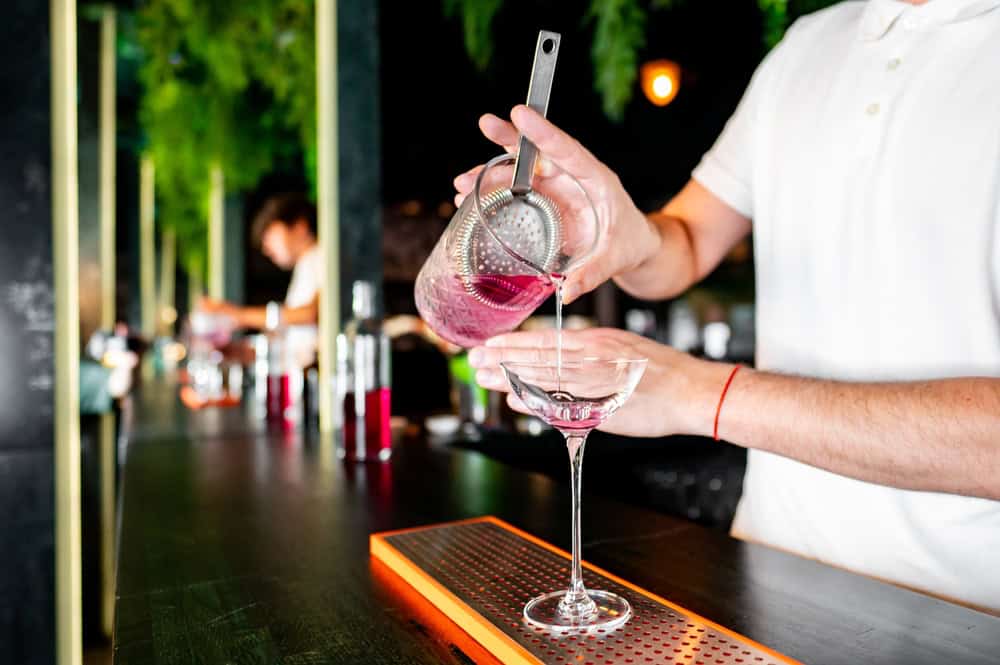
This same principle applies across your entire bartending toolkit. Professional jiggers have clearly marked measurements that don’t fade after a few washes. Quality bar spoons are properly weighted for smooth stirring and won’t bend when you’re layering drinks. Hawthorne strainers fit securely and have tightly coiled springs that actually catch ice and herbs instead of letting everything slip through.
Here’s what to look for when evaluating bartending tools. Check the weight first—professional equipment has substance to it. Examine the finish and make sure it’s smooth, not rough or poorly welded. Test moving parts like strainer springs or shaker seals. Read product specs to confirm it’s commercial-grade, not just marketed to home users.
The suppliers worth shopping from clearly label their commercial products. They’ll specify gauge thickness on metal items, capacity on glassware, and durability ratings on anything mechanical. If a supplier can’t tell you these details, they’re probably not serving professional bartenders.
Price matters, but context matters more. Spending two hundred dollars on a complete professional kit that lasts five years costs less than replacing cheap tools every six months. Do the math on longevity, not just upfront cost. Your tools are an investment in your career, and quality equipment pays for itself through reliability and performance.
One more thing: if you’re training at a bartending school, pay attention to the brands we use. We invest in professional equipment because students need to learn on what they’ll actually use in bars. Those same brands are what you should be looking for when you build your own kit.
Where Professional Bars in New York Buy Their Equipment
Professional bars don’t shop at the same places as home enthusiasts, and there’s a reason for that. They need suppliers who can handle volume orders, provide reliable delivery, stock replacement parts, and understand the specific demands of commercial hospitality operations.
In the New York metro area, several suppliers have built reputations serving the professional market. One Way Supply Corp operates out of Patchogue on Long Island and has been equipping bars and restaurants since 1970. They carry major equipment lines, offer weekly delivery throughout the metro area, and don’t require membership fees. That accessibility matters when you need to replace a broken strainer on short notice.
Cosmos Restaurant Equipment serves Nassau County and surrounding areas with both new and used commercial equipment. They’re particularly useful for bar owners working with tighter budgets who still need professional-grade gear. Their team understands kitchen and bar workflows, which means they can recommend equipment that actually fits your space and service style.
For specialty cocktail tools and barware, suppliers like Cocktail Kingdom design equipment specifically for professional bartenders. They’re based in New York City and their products show up in craft cocktail programs across the country. If you’re serious about mixology and want tools built for precision work, this is where professionals look.
McDonald Paper provides another option for bars needing everything from shakers to glassware to disposables. They serve the broader tri-state area and stock both budget-friendly and premium options, giving you flexibility depending on what you’re buying.
The New York Bar Store offers bulk pricing and wholesale accounts for professionals who need to stock an entire bar or replace inventory regularly. They also provide custom branding options if you want engraved openers or personalized straws for your establishment.
What matters most isn’t just where you shop, but understanding what each supplier does best. Use wholesale restaurant suppliers for your core equipment and large orders. Turn to specialty retailers when you need specific cocktail tools or unique glassware. Check used equipment dealers when you’re furnishing a new bar on a budget but need commercial durability.
Building relationships with suppliers pays off long-term. Once they know what you need and how you operate, they can alert you to deals, suggest alternatives when items are backordered, and provide faster service when you’re in a bind. That’s the kind of support that keeps bars running smoothly.
Bartending Equipment Essentials: Building Your Professional Kit
Every bartender needs a core set of tools they can rely on, whether they’re working a high-volume nightclub or crafting cocktails at an upscale lounge. Your kit should cover the fundamentals without unnecessary extras that just take up space.
Start with the essentials that get used on every shift: a Boston shaker, jigger, Hawthorne strainer, bar spoon, and a quality bottle opener or wine key. These tools handle the majority of drinks you’ll make, and they’re non-negotiable for professional service. You’ll also want a muddler for herb and fruit-based cocktails, a citrus peeler for garnishes, and a reliable ice scoop.
The specific brands and styles matter less than the quality and functionality. A well-made Boston shaker from any reputable manufacturer will outperform a cheap one regardless of branding. Focus on commercial-grade construction, proper sizing, and tools that feel comfortable in your hands during long shifts.
How Much Should You Budget for Professional Bartending Tools
New bartenders often ask how much they should spend on equipment, and the honest answer is: it depends on what you’re buying and where you’re working. A complete professional toolkit can range anywhere from fifty dollars for absolute basics to three hundred dollars for a comprehensive kit with premium tools.
Here’s a realistic breakdown. A quality Boston shaker runs fifteen to thirty-five dollars. Professional jiggers cost eight to twenty dollars depending on style. A good Hawthorne strainer is ten to fifteen dollars. Bar spoons range from eight to twenty-five dollars. Add a muddler, wine key, bottle opener, and peeler, and you’re looking at roughly one hundred to one hundred fifty dollars for core hand tools.
That doesn’t include glassware, which varies wildly based on what you’re serving. A basic set of mixing glasses, rocks glasses, and highball glasses for home practice might cost fifty to one hundred dollars. Professional bars stock dozens of glass types, but as an individual bartender, you only need a few for training and personal use.
The mistake most beginners make is either buying the cheapest option available or spending too much on specialty tools they don’t actually need yet. Find the middle ground: invest in quality essentials first, then add specialized equipment as your skills and needs develop.
Shopping at wholesale restaurant suppliers versus specialty cocktail retailers also impacts your budget. Wholesale stores offer commercial-grade basics at lower prices. Specialty retailers charge more but provide tools designed for specific techniques or aesthetics. Know which category each item falls into and shop accordingly.
If you’re training at a bartending school, you’re already getting hands-on experience with professional equipment, which means you know what works and what doesn’t. Use that knowledge when building your kit. Buy the tools you actually used during training, not what looks cool online.
One more consideration: if you’re working at an established bar, they’ll provide house equipment. Your personal kit serves as backup and insurance. You’re not outfitting an entire bar—you’re making sure you always have reliable tools regardless of what the house supplies. That perspective helps keep costs reasonable while ensuring you’re never caught without what you need.
Commercial Bar Equipment for Training Schools and Venues
Bartending schools and commercial venues face different equipment needs than individual bartenders. We’re not buying a single shaker—we’re outfitting multiple stations that need to withstand heavy daily use from numerous people with varying skill levels.
This is where supplier relationships become critical. We maintain equipment that students train on every single day. That equipment needs to perform consistently whether it’s the first student of the morning or the twentieth of the afternoon. It can’t break down mid-class, and it needs to represent what students will actually encounter in professional environments.
Commercial bar equipment for training facilities includes full bar setups with soda guns, speed rails, ice bins, and proper underbar refrigeration. These aren’t small purchases—outfitting a professional training bar can run into tens of thousands of dollars. That’s why we work with established suppliers who understand durability requirements and can provide ongoing support.
For bars and restaurants, equipment decisions impact daily operations and profitability. A bar that serves two hundred customers on a Friday night needs ice machines that keep up with demand, glass washers that can handle volume, and refrigeration that maintains proper temperatures under constant use. Equipment failure during peak service costs money in lost sales and frustrated customers.
The suppliers serving this market understand these stakes. They don’t just sell equipment—they provide installation, maintenance, and replacement parts. They help with layout planning to maximize efficiency. They know which brands hold up in high-volume environments and which ones break down after six months.
This level of supplier expertise matters whether you’re opening a new bar, upgrading an existing operation, or running a training facility. The relationships that bartending schools build with equipment suppliers benefit students too. When we have strong industry connections, students gain exposure to professional-grade tools and learn from instructors who understand real-world bar operations.
That hands-on training with quality equipment is what separates effective bartending education from theoretical classroom learning. Students who train on actual professional bar setups walk into their first bartending job already familiar with the tools, the workflow, and the standards that employers expect.
Finding the Right Bar Equipment Suppliers for Your Needs
Sourcing quality bartending equipment in the New York metro area comes down to knowing what you need, understanding the difference between commercial and consumer products, and building relationships with suppliers who serve professional bartenders. The region offers plenty of options, from wholesale restaurant suppliers to specialty cocktail retailers to used equipment dealers.
Your success behind the bar starts with reliable tools from trustworthy sources. Whether you’re a student building your first kit or a bar owner outfitting a new venue, focus on quality over price, commercial-grade construction over consumer alternatives, and suppliers with proven track records in the hospitality industry. The investment in proper equipment pays off through better performance, longer lifespan, and the confidence that comes from working with professional-grade tools.
If you’re training to become a bartender, learning on real equipment makes all the difference. That’s the approach we’ve taken for over thirty years—hands-on training with the same professional tools you’ll use in actual bars. It’s the fastest way to build the skills and confidence that employers look for when hiring.