
Summary:
Thinking about bartending but not sure if you’re old enough? You can legally bartend at 18 in New York, including Suffolk County, Nassau County, and Queens County. But here’s what most people don’t realize: age is just the starting point. The real key to getting hired is understanding what employers actually require and how to position yourself as the candidate they can’t pass up. Let’s break down everything you need to know about New York’s bartending age laws and what it really takes to land those jobs.
New York Bartending Age Requirements: What the Law Actually Says
In New York, you only need to be 18 to pour and serve drinks, and the same goes for New York City. This applies across Suffolk County, Nassau County, and Queens County. The general rule in New York is that any employee selling or handling alcoholic beverages must be at least 18.
A minor (person under the age of 18) cannot be employed as a hostess, waitress, or waiter, or in a position that requires him or her to sell, dispense, or handle alcoholic beverages. But once you hit 18, you’re legally cleared to work behind the bar.
The confusion often comes from the fact that while the national drinking age is 21, that doesn’t mean you have to be that old to be a bartender in many states. New York is one of the states that allows 18-year-olds to serve alcohol professionally.
Why Some Employers Still Hesitate to Hire 18-Year-Old Bartenders
Even though 18-year-olds can legally bartend in New York, hiring younger bartenders can raise liability concerns, prompting employers to require additional training or certifications. This isn’t about discrimination—it’s about business protection.
Businesses recognize that responsible alcohol service is crucial for maintaining a safe environment, protecting patrons from harm, and reducing liability risks. When you’re 18, you haven’t been able to drink legally, which means you might lack the personal familiarity with alcohol that comes naturally to older bartenders. Employers worry about this knowledge gap.
Someone might be seen as more hirable by a company if they’ve received ATAP certification because they see these as desirable traits in an employee. This is especially true for younger candidates who need to prove their competence and professionalism.
The reality is that many bars and restaurants in Nassau County won’t even interview candidates without ATAP certification. It’s not because they’re being difficult. It’s because their insurance carriers and liability concerns demand it. When you walk in with that certification, you’re telling them you’re serious about this work and you understand the responsibilities that come with it.
Here’s what smart 18-year-old candidates do: they get certified before they start job hunting. With proper training and ATAP certification, you can be working within weeks, not months. The key is choosing comprehensive training that prepares you for real-world demands while providing the certifications employers require.
The ATAP Certification Advantage: Your Ticket to Better Jobs
While not legally required in New York, ATAP training is strongly recommended by the New York State Liquor Authority (NYSLA) and often required by employers to promote responsible alcohol service. For 18-year-old bartenders, this certification becomes even more critical.
The program covers topics such as identifying fake identification, understanding the legal obligations of alcohol service, and techniques for responsible alcohol service. The certification covers everything from spotting fake IDs to recognizing signs of intoxication, understanding local alcohol laws, and handling difficult situations professionally. These aren’t abstract concepts—they’re daily realities in busy Long Island establishments.
The NYSLA will also reduce penalties for businesses if their employees unknowingly break alcohol laws while they hold a valid ATAP certification. This gives employers a compelling reason to prefer certified candidates.
Most positions require ATAP certification. That’s New York’s Alcohol Training Awareness Program, and it’s basically your ticket into the industry. Without it, you’re competing for scraps. With it, you’re suddenly qualified for the good jobs—the ones at busy restaurants, trendy bars, and event venues where tips actually add up.
For 18-year-olds specifically, ATAP certification serves as proof of professionalism and competence. ATAP certification is especially important if you’re looking to work in Nassau County or Queens, where the nightlife scene is always buzzing. Many employers prefer or require their bartenders to have ATAP training so they can be sure they’re following the rules. This isn’t just a nice-to-have credential—it’s often what separates you from other candidates.
The training typically covers New York-specific alcohol laws, proper ID checking procedures, recognizing signs of intoxication, and understanding your legal responsibilities as a server. Your Alcohol Training Awareness Program certification is valid for three years from the date of graduation. You will need to retake the ATAP course every three years to maintain your certification.
Real Job Market Opportunities for 18-Year-Old Bartenders in Long Island
The numbers tell a compelling story about bartending opportunities in Suffolk County, Nassau County, and Queens County. Employment for bartenders is growing 6 percent faster than most other careers, with about 129,600 new openings projected each year nationwide. In Suffolk County alone, you’ll find 190+ active job listings right now.
Queens has an especially vibrant nightlife scene, from craft cocktail lounges to neighborhood pubs to high-volume sports bars. Each environment has its own pace and requirements, but they all need bartenders who can handle the legal and safety aspects of alcohol service.
The average salary for a bartender is $41,362 per year in Queens, NY, though this figure can vary based on experience, the type of establishment, and the specific neighborhood. The salary range can be quite broad—some bartenders may earn as little as $25,000 per year, while others can earn upwards of $67,600 annually. Factors that influence these earnings include the popularity of the bar, the bartender’s skill level, and the ability to attract and retain customers. Bartenders who work in high-end establishments or during peak hours often see higher earnings.
Where 18-Year-Old Bartenders Get Hired First
Not all bartending jobs are created equal, especially when you’re starting at 18. Understanding which establishments are most likely to hire younger bartenders can help you target your job search effectively.
Chain restaurants and casual dining establishments often provide the best entry points for 18-year-old bartenders. These venues typically have structured training programs, clear protocols, and are more willing to hire candidates with proper certification but limited experience. Places like Applebee’s, TGI Friday’s, and similar chains regularly hire 18-year-olds for bartending positions.
You’re looking at one of the fastest-growing job markets in New York. Suffolk County, Nassau County, and Queens offer incredible opportunities for trained bartenders. With over 190 active job openings and employers desperately seeking certified professionals, the timing couldn’t be better to make your move.
Sports bars and family restaurants also represent good opportunities. These establishments value reliability and proper training over extensive experience. They’re looking for bartenders who can handle the basics professionally and grow into the role.
High-volume establishments during busy shifts often need additional hands and are willing to train the right candidates. Weekend shifts, happy hour periods, and special events create opportunities for newer bartenders to gain experience while earning good tips.
Bartenders in Queens often work in busy environments, serving a diverse clientele. This dynamic work setting can lead to opportunities for tips and additional income. The key is getting the training and connections that help you access the better opportunities rather than settling for whatever’s available.
The key is positioning yourself as a professional candidate who happens to be 18, rather than an 18-year-old who wants to try bartending. Proper certification, professional appearance, and demonstrated knowledge of alcohol service laws make all the difference in how employers perceive younger candidates.
Fast-Track Training Options That Actually Work
You can get certified and job-ready in as little as one week. Not one semester. Not one year. One week. But not all training programs are created equal, especially for 18-year-old bartenders who need to prove their competence quickly.
The best programs ensure you learn all the drinks required to effectively handle a commercial bar, teach you to pour accurately, multi-task, handle cash, and up-sell to boost profit for the bars that employ you. Look for bartending schools that offer flexible schedules, from one-week courses to longer programs, help graduates find jobs, and provide certifications that many bars and restaurants require.
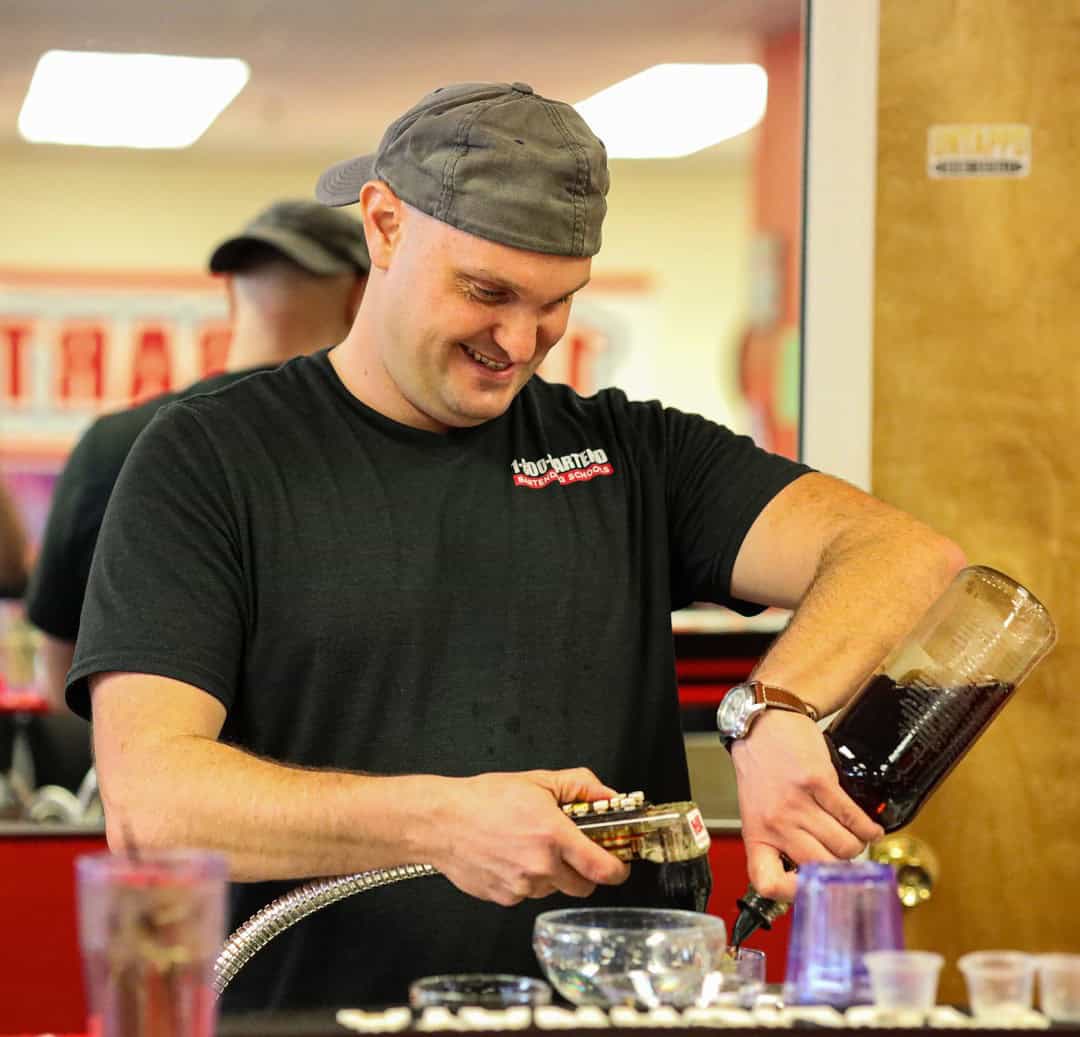
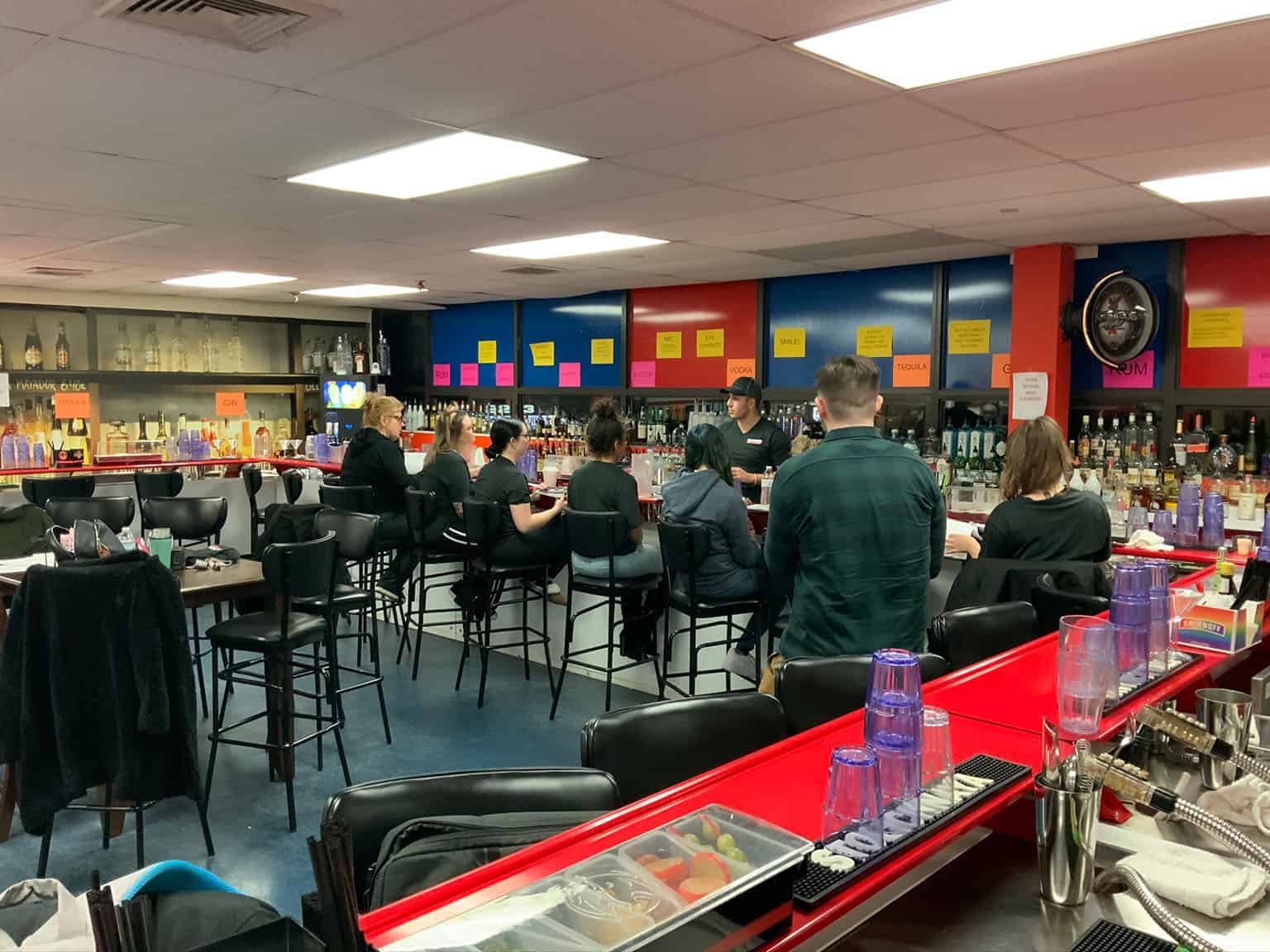
Hands-on training makes the biggest difference for younger bartenders. Jump into a real bar setup and learn skills you’ll actually use. Our signature 5-day program packs in all the skills, so you’re ready to rock behind the bar by the weekend. This practical experience gives you confidence and competence that employers can see immediately.
Here’s the honest truth about job placement: many people think “bartending schools are a waste of time” and “the job placement is sketchy”. They’re not entirely wrong—if you choose the wrong program. The difference lies in schools that have actual industry connections versus those that just hand you a certificate and wish you luck.
Look for programs that include New York State A.T.A.P. certification as part of their curriculum. New York State A.T.A.P. Certification and B.A.R. training should be standard components of any serious bartending course in the Long Island area.
Programs with relationships with thousands of bars and establishments provide graduates with the most job opportunities compared to graduates of other schools. Direct relationships with thousands of bars, clubs, restaurants, and hotels give us a unique advantage—the ability to offer you the best bartending job opportunities.
The timeline matters too. One week of training, and you’re ready to start something amazing. The skills, the confidence, the career it’s all yours. Three decades of know-how, training people just like you to find success in the industry.
Getting Started: Your Action Plan for Bartending at 18 in New York
Now you know the truth: In New York, the minimum age to bartend or serve alcohol is 18 years old. This means that individuals can legally handle, serve, and pour alcoholic beverages in establishments like bars, restaurants, and nightclubs starting at age 18. The real question isn’t whether you can bartend at 18—it’s whether you’re prepared to do it professionally.
Addressing these pain points through clear communication, proper training, and adherence to state laws can help both bartenders and employers succeed. Your age becomes an advantage when you combine it with proper training, certification, and a professional approach.
The opportunities are real and growing. The numbers tell a clear story: this isn’t a shrinking field. With the right preparation, 18-year-olds can build successful bartending careers in Suffolk County, Nassau County, and Queens County.
Ready to start your bartending career? The fastest path is comprehensive training that includes ATAP certification, hands-on experience, and job placement support. We’ve been helping people launch bartending careers for over 30 years, with programs designed specifically for the Long Island market and direct connections to employers who are hiring now.