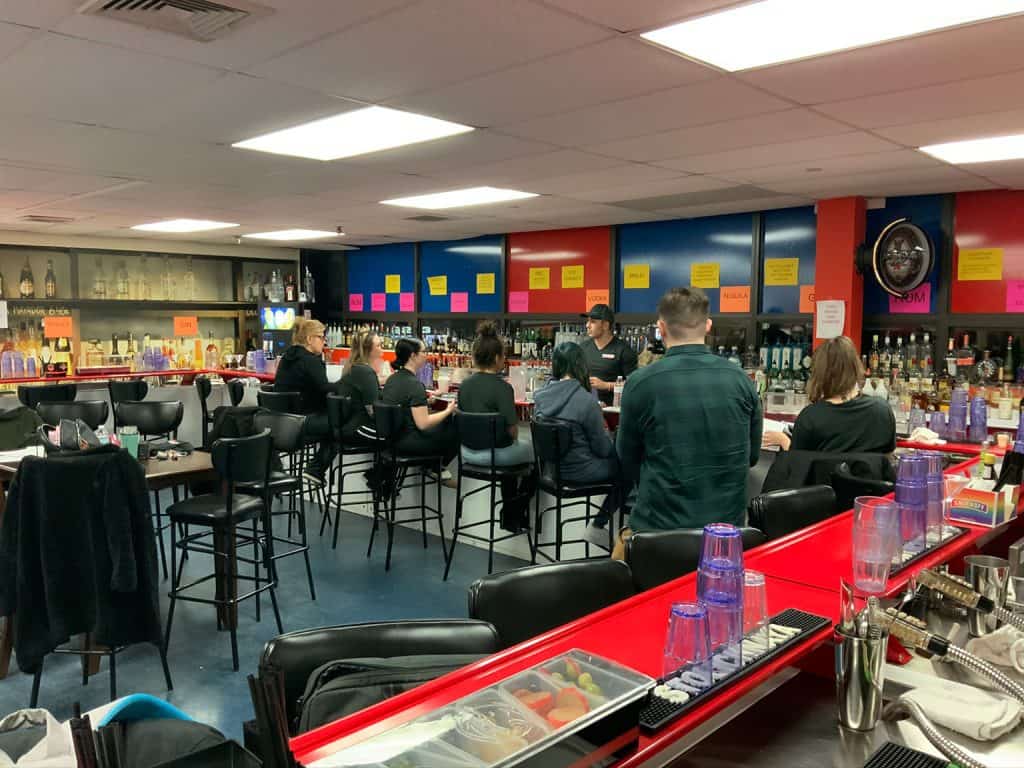
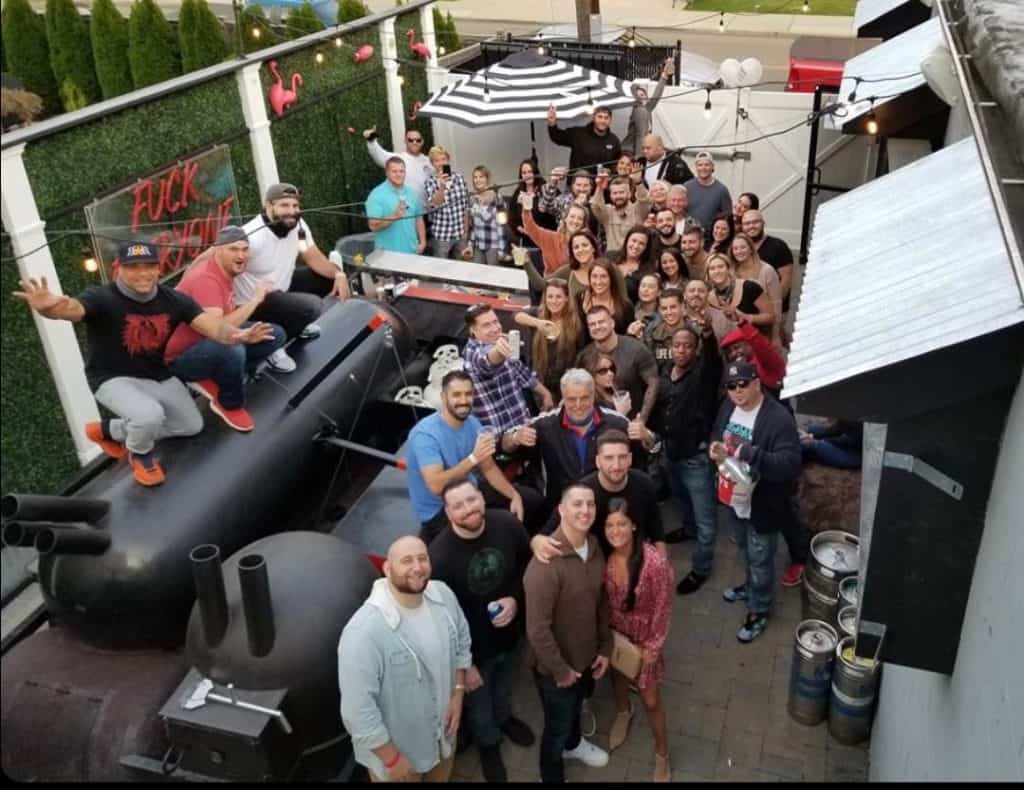
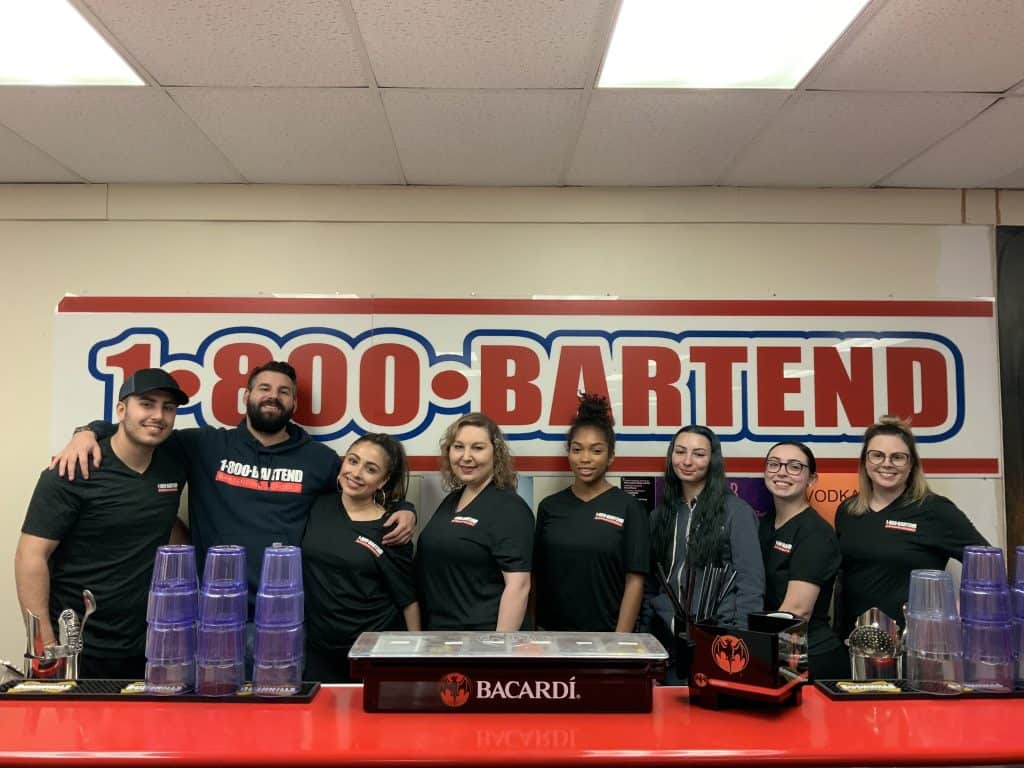
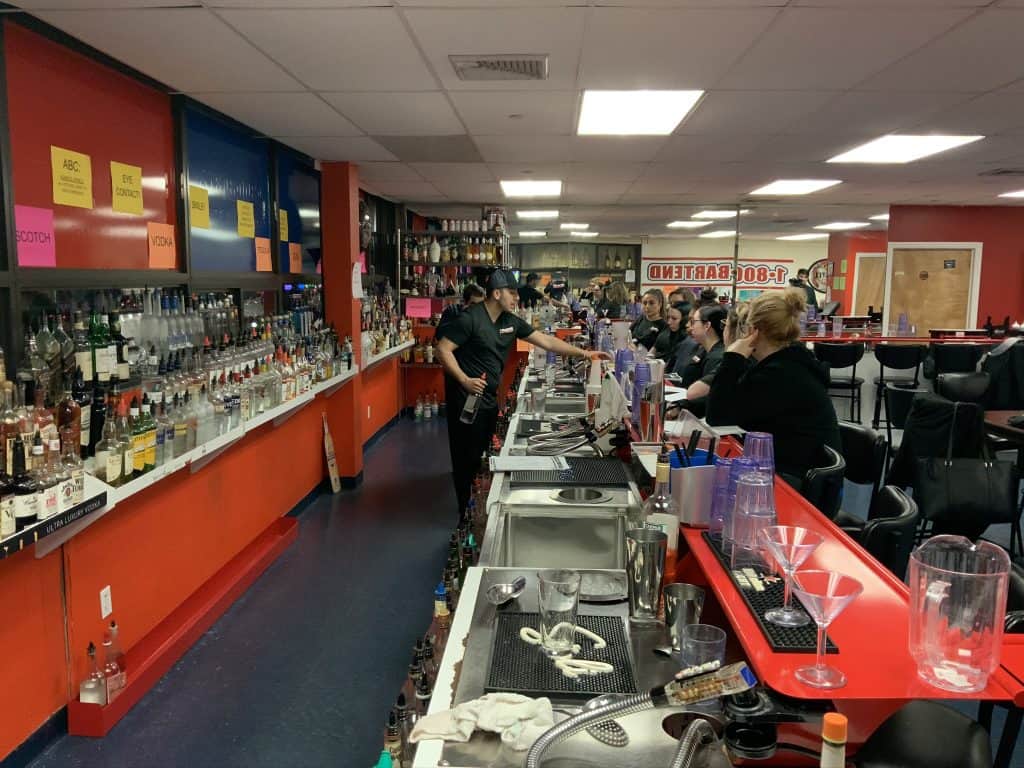
1-800-Bartend is a great place to learn about bartending in Forest Hills, NY. Our teachers will help you every step of the way. Join our community of bartenders in Queens.
You need a bartending license to work as a bartender. 1-800-Bartend in Forest Hills, NY can help you get your license and ATAP certification. Contact us at 631-393-2722 to learn more.
The development of adjacent Forest Park, a park on the southern end of Forest Hills, began in 1895. Starting in 1896, the landscape architecture firm of Olmsted, Olmsted & Eliot was contracted to provide a plan for the park.
In 1906, the Cord Meyer Development Company, headed by Brooklyn attorney Cord Meyer, bought abutting land made up of six farms (those of Ascan Bakus, Casper Joost-Springsteen, Horatio N. Squire, Abram V. S. Lott, Sarah V. Bolmer, and James Van Siclen). The company then renamed the aggregate 600 acres (240 ha) “Forest Hills”, after Forest Park. Single-family homes, designed by architects such as Robert Tappan and William Patterson, were constructed on these 600 acres. The roads of Forest Hills were laid out by 1910. The present-day Ascan Avenue in Forest Hills is named after Ascan Bakus.
Margaret Sage, the founder of the Russell Sage Foundation, bought 142 acres (57 ha) of land from the Cord Meyer Development Company in 1908. This land was to be used for “Forest Hills Gardens”, a development on the southern side of Forest Hills. Grosvenor Atterbury, a renowned architect, was given the commission to design Forest Hills Gardens. The neighborhood was planned on the model of the garden communities of England, with its own inn, garage, and post office. It also included narrow, winding roads to limit through traffic. As a result, there are many Tudor-style homes in Forest Hills. The more sprawling ones are located in Forest Hills Gardens, but most are located in the section loosely bounded by 68th Avenue on the north; 72nd Road on the south; 108th Street on the west; and Grand Central Parkway on the east. The construction of this area used a prefabricated building technique. Each house was built from approximately 170 standardized precast concrete panels, fabricated off-site and positioned by crane. The houses were mostly constructed between 1910 and 1917.