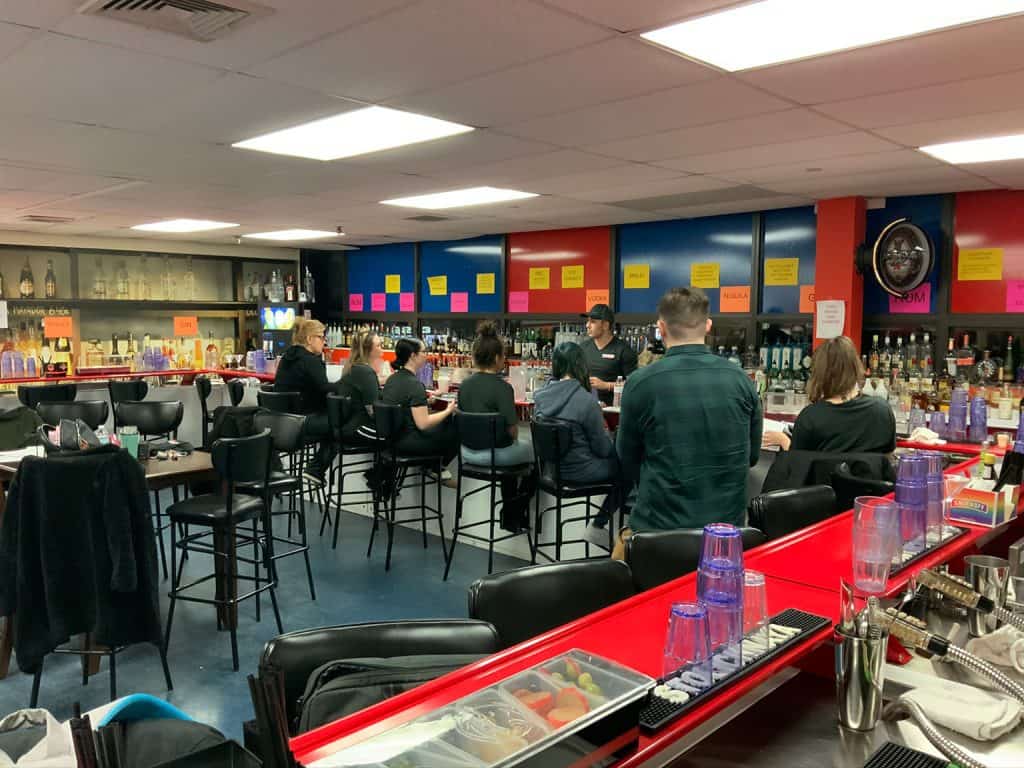
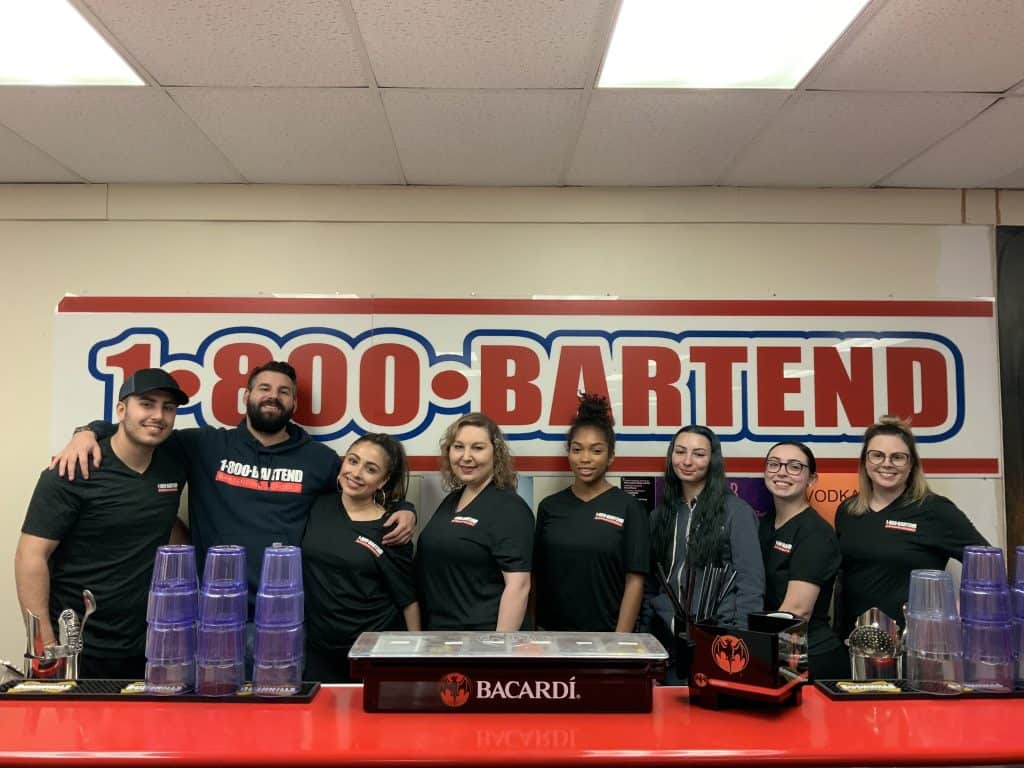
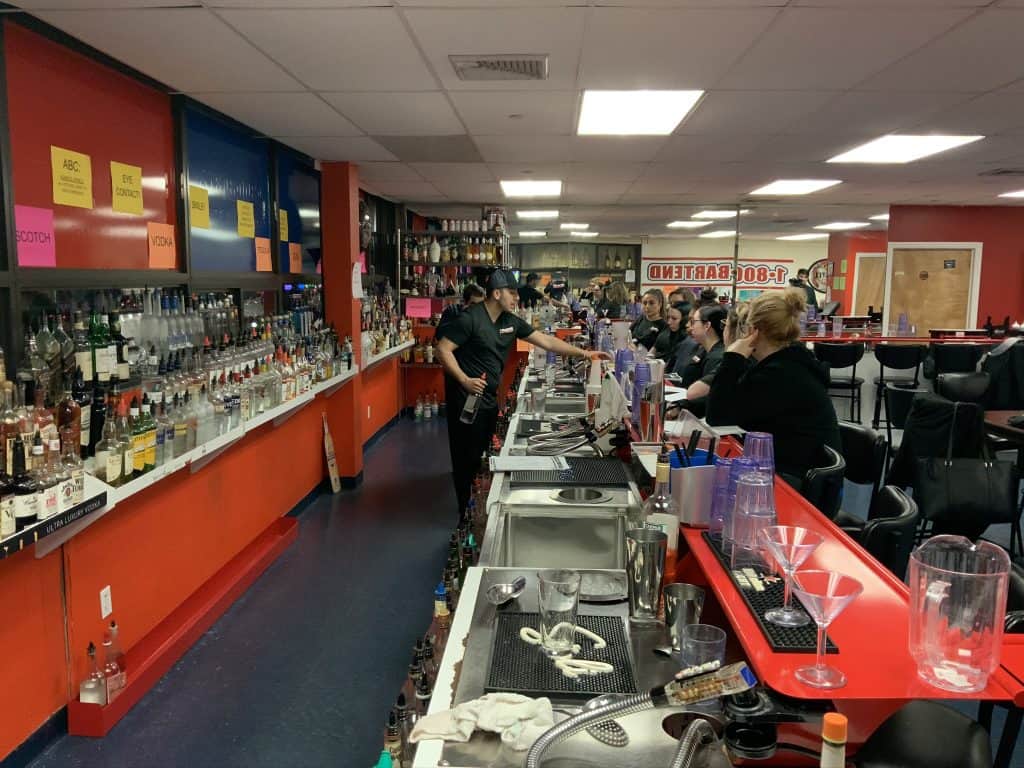
1-800-Bartend is an excellent bartending school in Flushing, NY. Our teachers are experienced and love teaching. We offer classes to help you learn the skills you need to be a bartender.
You need a bartending license to work as a bartender. 1-800-Bartend in Flushing, NY can help you get your license and ATAP certification. Contact us at 631-393-2722 to learn more.
Flushing was originally inhabited by the Lenape Indians prior to colonization and European settlement.
Dutch colony[edit]
Charter of Freedoms and Exemptions
Cornelius Jacobsen May (1620-25)
Willem Verhulst (1625-26)
Peter Minuit (1626-32)
Sebastiaen Jansen Krol (1632-33)
Wouter van Twiller (1633-38)
Willem Kieft (1638-47)
Peter Stuyvesant (1647-64)
New Netherlander
Twelve Men
Eight Men
Nine Men
On October 10, 1645, Flushing was established on the eastern bank of Flushing Creek under charter of the Dutch West India Company and was part of the New Netherland colony that was governed from New Amsterdam (Lower Manhattan). The settlement was named Vlissingen, after the city of Vlissingen, which was the European base of the Dutch West India company. By 1657, the residents called the place “Vlishing”. Eventually, the formal traditional English name for the Dutch town, “Flushing”, would be settled upon (despite being a Dutch colony, many of the local early settlers were British, who trickled down from nearby Connecticut colony).
Unlike all other towns in the region, the charter of Flushing allowed residents freedom of religion as practiced in Holland “without the disturbance of any magistrate or ecclesiastical minister”. However, in 1656, New Amsterdam Director-General Peter Stuyvesant issued an edict prohibiting the harboring of Quakers. On December 27, 1657, the inhabitants of Flushing approved a protest known as The Flushing Remonstrance. This petition contained religious arguments even mentioning freedom for “Jews, Turks, and Egyptians,” but ended with a forceful declaration that any infringement of the town charter would not be tolerated. Subsequently, a farmer named John Bowne held Quaker meetings in his home and was arrested for this and deported to Holland. Eventually he persuaded the Dutch West India Company to allow Quakers and others to worship freely. As such, Flushing is claimed to be a birthplace of religious freedom in the New World.
Landmarks remaining from the Dutch period in Flushing include the John Bowne House (c. 1661) on Bowne Street and the Old Quaker Meeting House (1694) on Northern Boulevard. The Remonstrance was signed at a house on the site of the former State Armory, now a police facility, on the south side Northern Boulevard between Linden Place and Union Street.