Gain confidence as a licensed bartender and boost your career.
Master mixology techniques and stand out in the industry.
Achieve ATAP certification and showcase your expertise.
Increase your earning potential with a bartender permit.
1-800-Bartend Bartending
Local Bartending Leaders
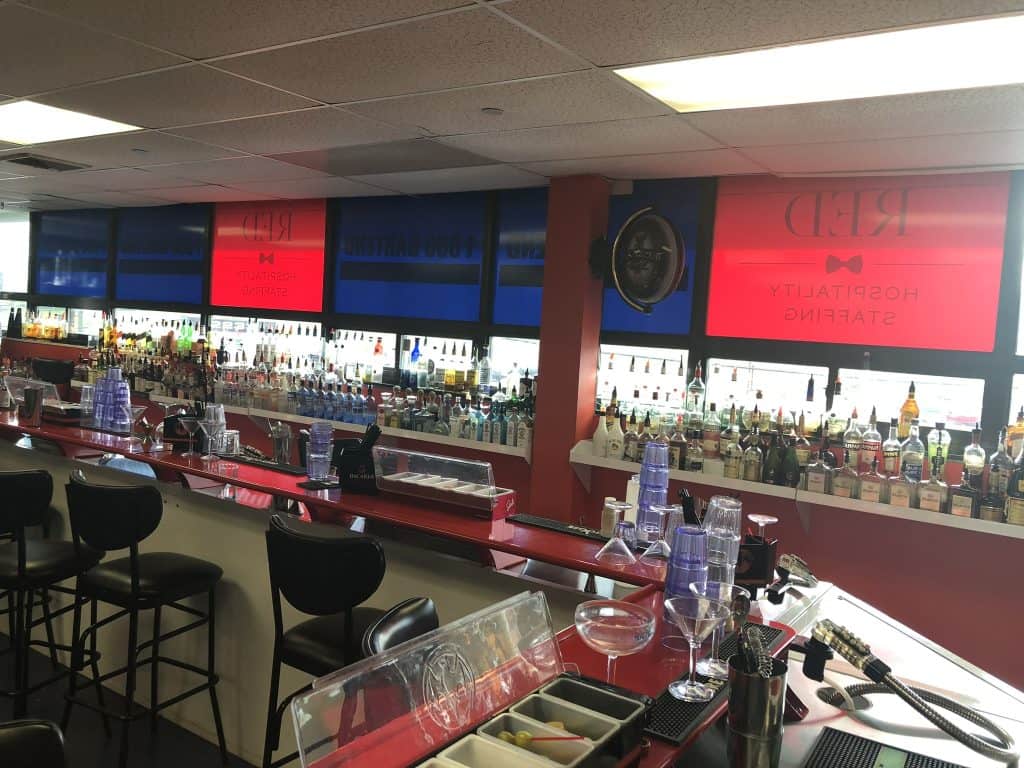
1-800-Bartend offers top-tier bartending classes in Rego Park, NY. Our courses prepare you for success in the bartending industry by giving you practical experience. With seasoned instructors, we focus on practical skills and bartending license certification to give you a competitive edge.
Bartending Classes Rego Park
Your Path to Bartending Mastery
Enroll: Start your journey to becoming a mixologist.
Train: Gain real-world bartending skills through hands-on sessions.
Certify: Earn your bartending license and ATAP certification.
A bartending license is essential for success in the hospitality industry. It validates your skills and builds your credibility as a bartender. 1-800-Bartend provides the training you need to pass your bartender permit exams and secure your future. Call us today at 516-212-9850 to start your bartending course in Rego Park, NY, and elevate your career.
Rego Park is built on lands originally part of the Leni Lenape Nation, possibly inhabited by members of the Canarsee band. By 1653, though, English and Dutch farmers moved into the area and founded a community called Whitepot, which was a part of the Township of Newtown. Whitepot is believed to be so named because Dutch settlers named the area “Whiteput”, or “hollow creek”; later, English settlers Anglicized the name. The Remsen family created a burial ground, which is still located on Alderton Street near Metropolitan Avenue. The colonists also founded the Whitepot School, which operated until the late 19th century.
The area turned out to be good for farming, the colonists cultivated hay, straw, rye, corn, oats, and vegetables. The original Dutch, English, and German farmers sold their produce in Manhattan; by the end of the 19th century, though, Chinese farmers moved in and sold their goods exclusively to Chinatown.
The settlement was renamed Rego Park after the Real Good Construction Company, which began development of the area in 1925. “Rego” comes from the first two letters of the first two words of the company’s name. The company built 525 eight-room houses costing $8,000 each. Stores were built in 1926 on Queens Boulevard and 63rd Drive, and apartment buildings were built in 1927-1928. In 1930, the Independent Subway System began work on eight IND Queens Boulevard Line stations in the area, at a cost of $5 million. The subway extension was concurrent with the Real Good Construction Company’s completion of apartment buildings near Queens Boulevard and one-family homes throughout the rest of the neighborhood.