
Step behind the bar with confidence. 1-800-Bartend’s bartending classes in Kew Gardens NY will equip you with the skills and knowledge to thrive in the exciting world of mixology.
Reviews
1-800-Bartend Bartending in Queens
1-800-Bartend in Kew Gardens, NY, is your pathway to a fulfilling career behind the bar. We’re passionate about transforming aspiring bartenders into skilled professionals. Our instructors are seasoned industry veterans, ready to share their knowledge and expertise.
Bartending Classes Kew Gardens
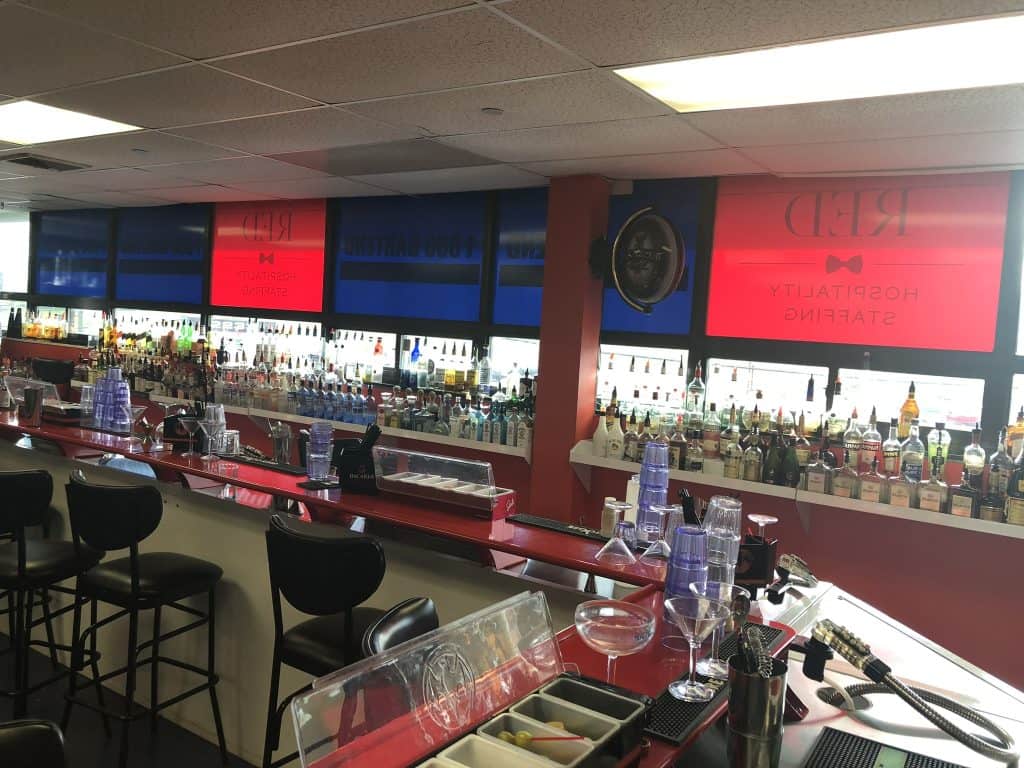
Bartender License NY
A bartending license is your key to unlocking a world of opportunities in NY’s vibrant bar scene. 1-800-Bartend provides the training and resources to obtain your license and embark on a rewarding career. Our curriculum covers NY regulations, responsible alcohol service, and the art of mixology. We’ll equip you to confidently handle any situation, from crafting cocktails to managing a bustling bar. Contact us at 516-212-9850 to get started.
Kew Gardens was one of seven planned garden communities built in Queens from the late 19th century to 1950. Much of the area was acquired in 1868 by Englishman Albon P. Man, who developed the neighborhood of Hollis Hill to the south, chiefly along Jamaica Avenue, while leaving the hilly land to the north undeveloped.
Maple Grove Cemetery on Kew Gardens Road opened in 1875. A Long Island Rail Road station was built for mourners in October and trains stopped there from mid-November. The station was named Hopedale, after Hopedale Hall, a hotel located at what is now Queens Boulevard and Union Turnpike. In the 1890s, the executors of Man’s estate laid out the Queens Bridge Golf Course on the hilly terrains south of the railroad. This remained in use until it was bisected in 1908 by the main line of the Long Island Rail Road, which had been moved 600 feet (180 m) to the south to eliminate a curve. The golf course was then abandoned and a new station was built in 1909 on Lefferts Boulevard. Man’s heirs, Aldrick Man and Albon Man Jr., decided to lay out a new community and called it at first Kew and then Kew Gardens after the well-known botanical gardens in England. The architects of the development favored English and neo-Tudor styles, which still predominate in many sections of the neighborhood.
In 1910, the property was sold piecemeal by the estate and during the next few years streets were extended, land graded and water and sewer pipes installed. The first apartment building was the Kew Bolmer at 80-45 Kew Gardens Road, erected in 1915; a clubhouse followed in 1916 and a private school, Kew-Forest School, in 1918. In 1920, the Kew Gardens Inn at the railroad station opened for residential guests, who paid $40 a week for a room and a bath with meals. Elegant one-family houses were built in the 1920s, as were apartment buildings such as Colonial Hall (1921) and Kew Hall (1922) that numbered more than twenty by 1936.
Learn more about Kew Gardens.Here are some bartending-related links:
Mon - Sat:
9AM - 5PM
Sunday:
Closed