Unlock your bartending potential with 1-800-Bartend’s mixology courses in Kew Gardens Hills. Earn your bartending license and become a certified mixologist.
Reviews
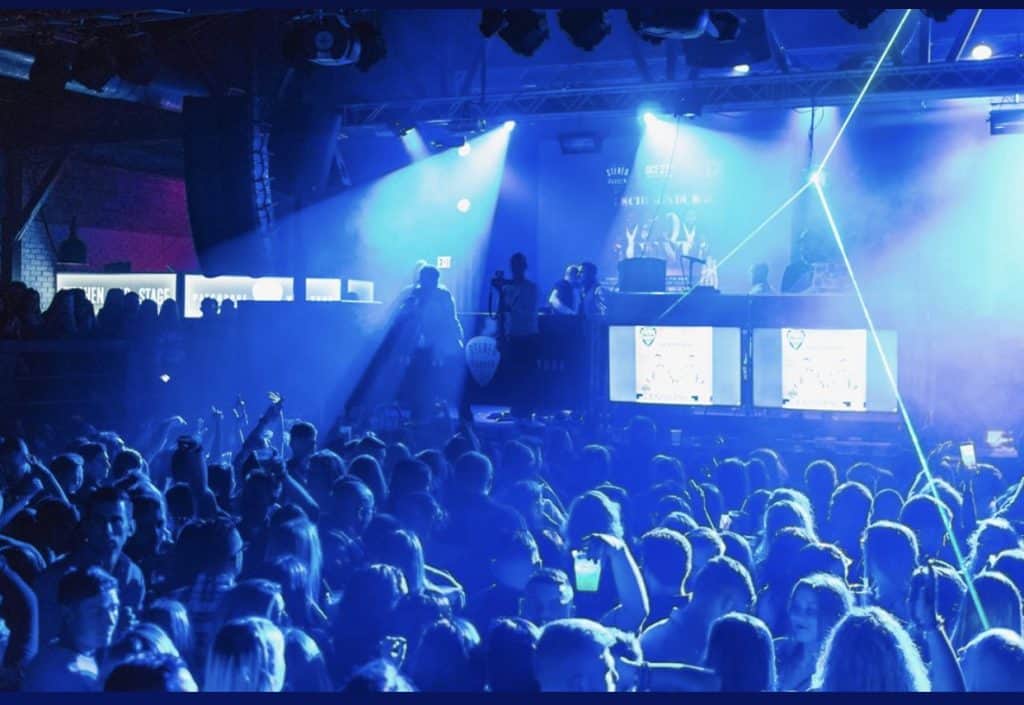
1-800-Bartend Bartending
1-800-Bartend is passionate about empowering aspiring bartenders in Kew Gardens Hills, NY. Seasoned professionals design our comprehensive bartender courses. We offer ATAP certification and bartending license certification to prepare you for the industry fully.
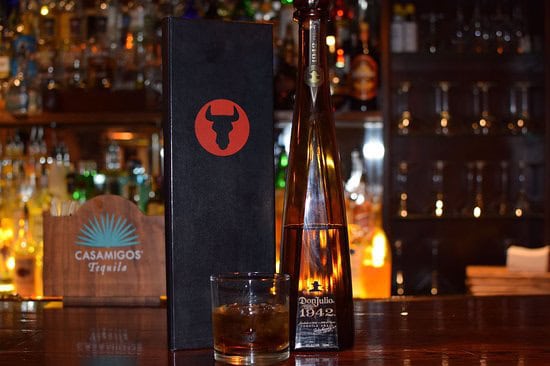
Bartending Classes Kew Gardens Hills
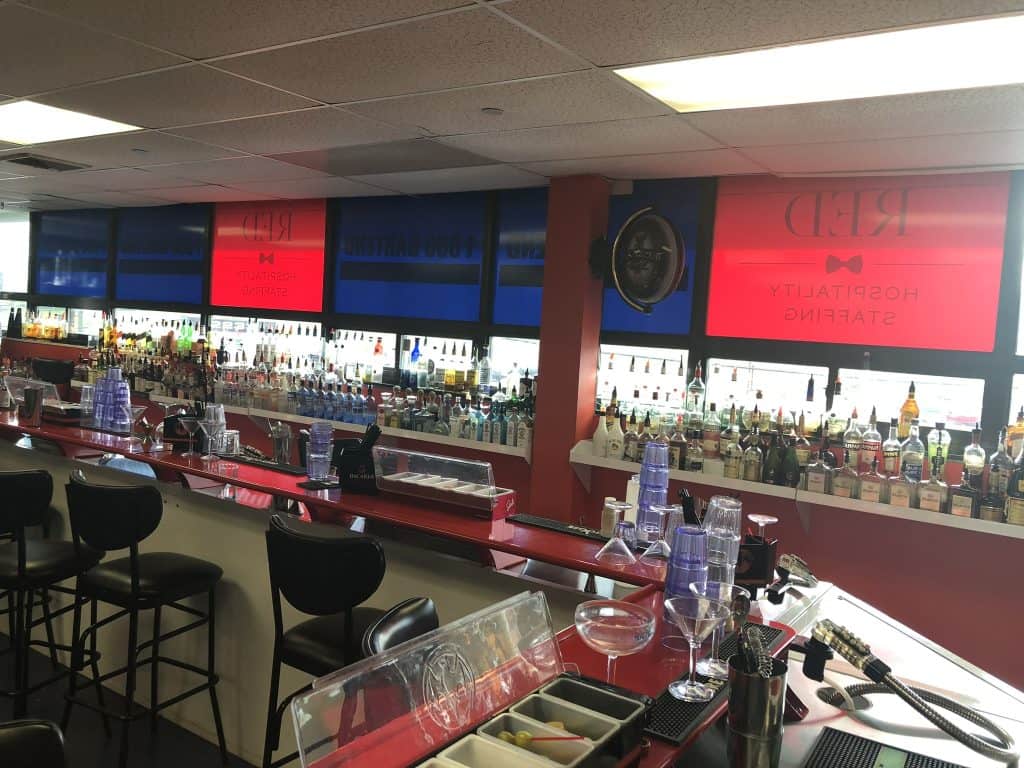
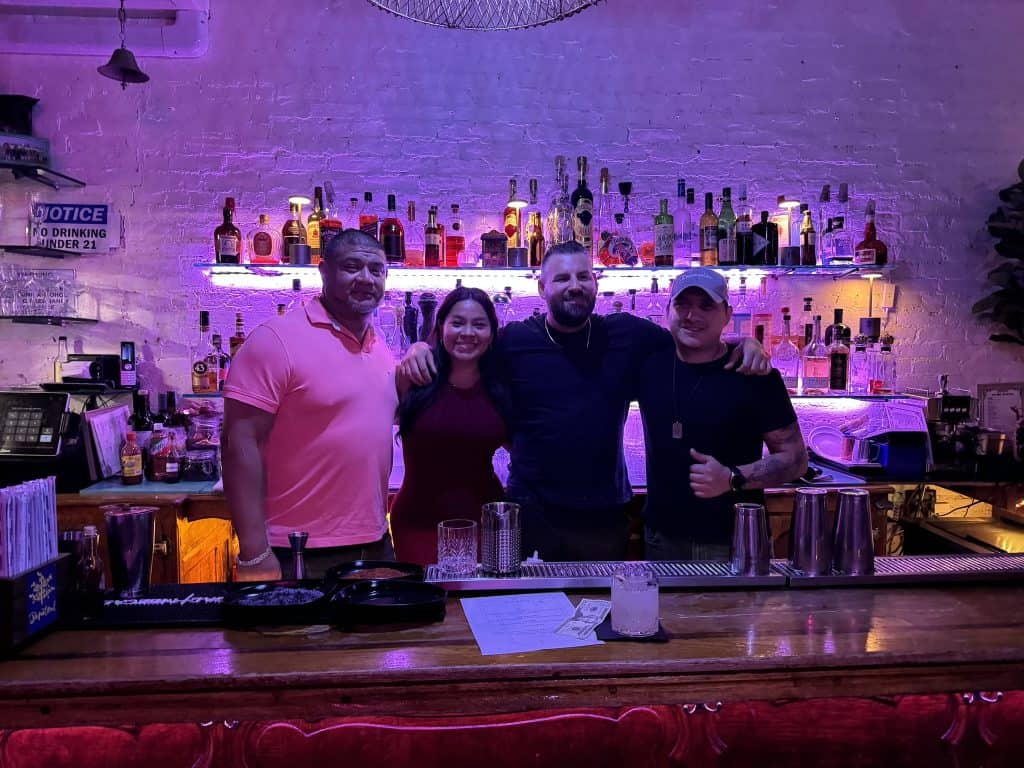
Bartending License NY
Bartending is about creating experiences. 1-800-Bartend’s courses in Kew Gardens Hills NY equip you with the skills to excel. Our instructors will guide you if you want a bartender permit or a full bartending license. Become a licensed bartender and impact the Queens hospitality scene. Contact us at 516-212-9850 to start your journey today!
In the northwestern part of the neighborhood was the location of the 120 acres (49 ha) Spring Hill Farm. The farm was part of the Francis Lewis estate during colonial times. By 1762 the farm was owned by Colonel Thomas Willet, High Sheriff of Flushing, and was sold to Cadwallader Colden, lieutenant governor for the Province of New York. In 1763 Colden built the Spring Hill House on the property. In 1783 the property was confiscated by the government because Cadwallader’s son David was a loyalist to the monarchy. By 1894 the Durkee family owned the property and sold it to the Cedar Grove Cemetery Corporation. The Spring Hill House became the office of the Cedar Grove Cemetery, until the house was later destroyed by a fire.
In the 19th century the area of Kew Gardens Hills was known as Head of the Fly, for its location at the headwaters of the Flushing Creek (or Flushing River). Fly or vly, being the Dutch word for swamp. One of the oldest roads through the area was called the Vleigh Road, and still exists today as Vleigh Place.
Timothy Jackson operated a horse boarding stable near where the intersection of Park Drive East and Union Turnpike, or the Kew Gardens Interchange is today. On what is now the Jamaica subway yard was previously a horse race course, built by Timothy Jackson, and was known as Whitepot Race & Track. Although the train yard is not in Jamaica, it is named Jamaica because the yard feeds the subway lines which begin (or end) in Jamaica. This area was an extension of Timothy Jackson’s Willow Glen Farm for which the farmhouse was located south of Union Turnpike in the neighborhood of Jamaica that is now called Briarwood. In the 1750s, William Furman was the owner of the farm he named Willow Glen. Today Willow Lake, at the southern end of Flushing Meadows-Corona Park, retains the Willow name.
Learn more about Kew Gardens Hills.Here are some bartending-related links:
Mon - Sat:
9AM - 5PM
Sunday:
Closed